Extended Corner Home with Two Bathrooms in Wooded Doorwerth
Key Features
Description
The property is located on Vossenstraat in Doorwerth, a village situated between Arnhem and Wageningen in the Netherlands. Doorwerth is known for its beautiful forests and natural surroundings, making it an attractive location for those who enjoy outdoor activities such as walking and running. The village offers various amenities including primary and secondary education, a supermarket, several shops, and medical facilities. The train station in Oosterbeek is approximately 4 kilometers away, providing connections to Arnhem Centraal and Ede-Wageningen.
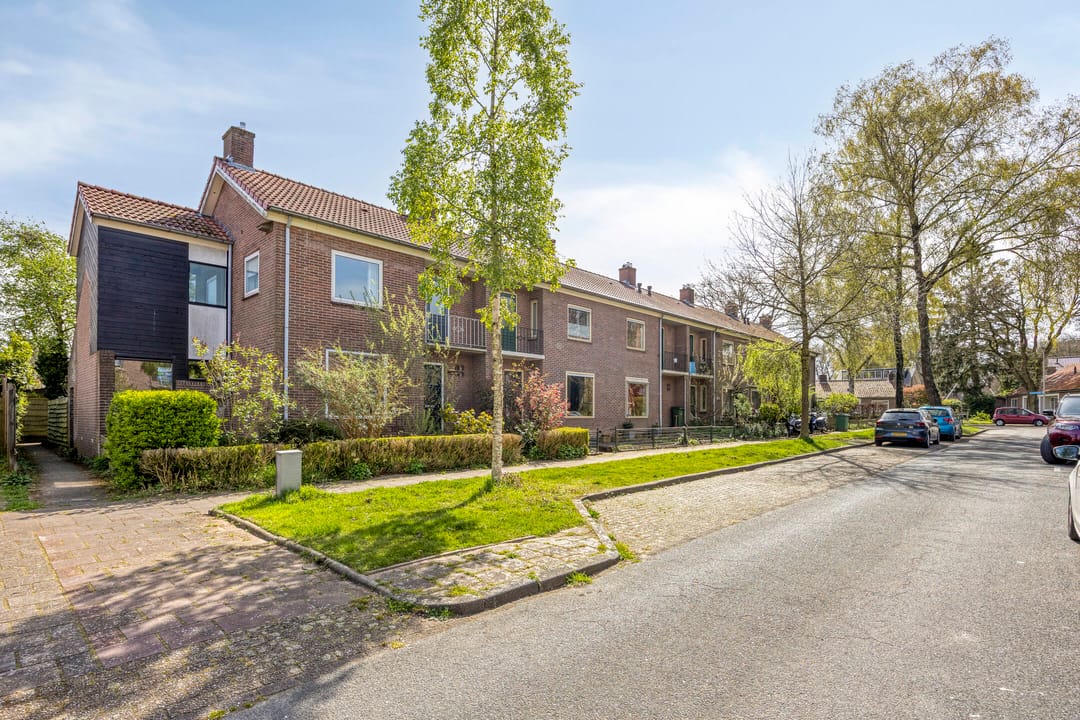
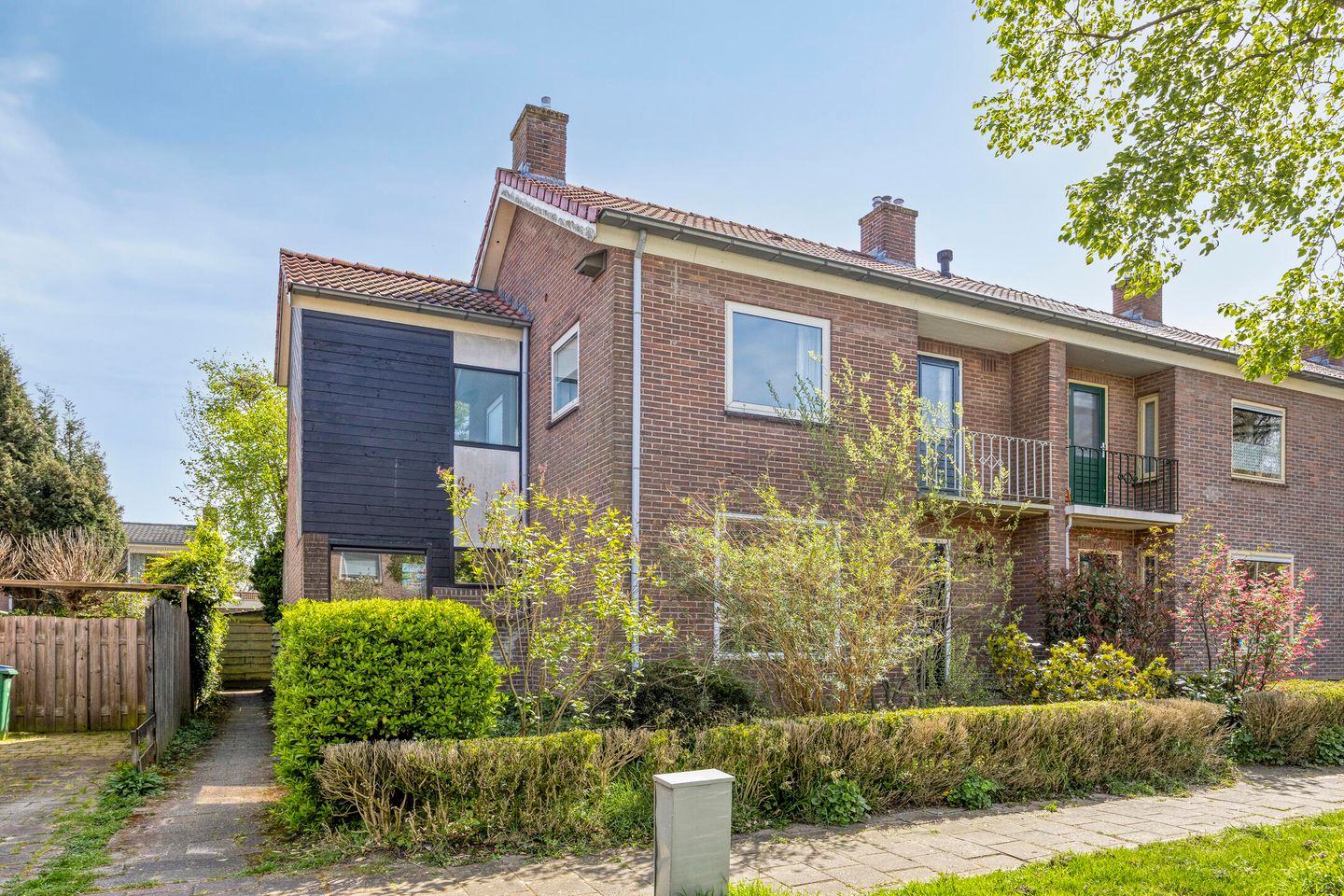
This corner house was originally built in 1954 and has been significantly expanded over the years. The most notable addition is the dormer construction on the first floor, which was added in the late 1970s. The property also features a rear extension that has substantially increased the size of the living room. The total living area measures 94 square meters, while the plot covers 191 square meters.
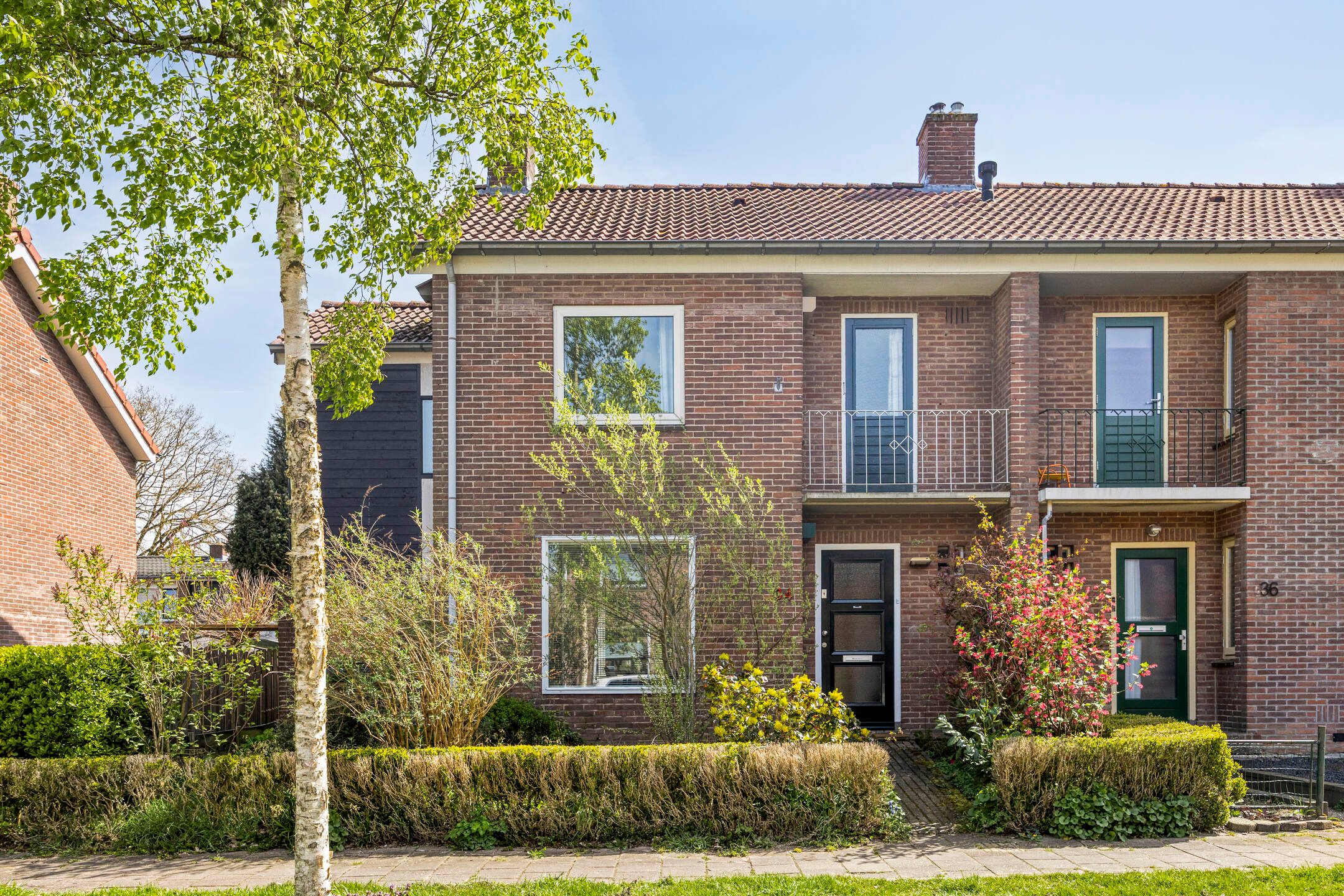
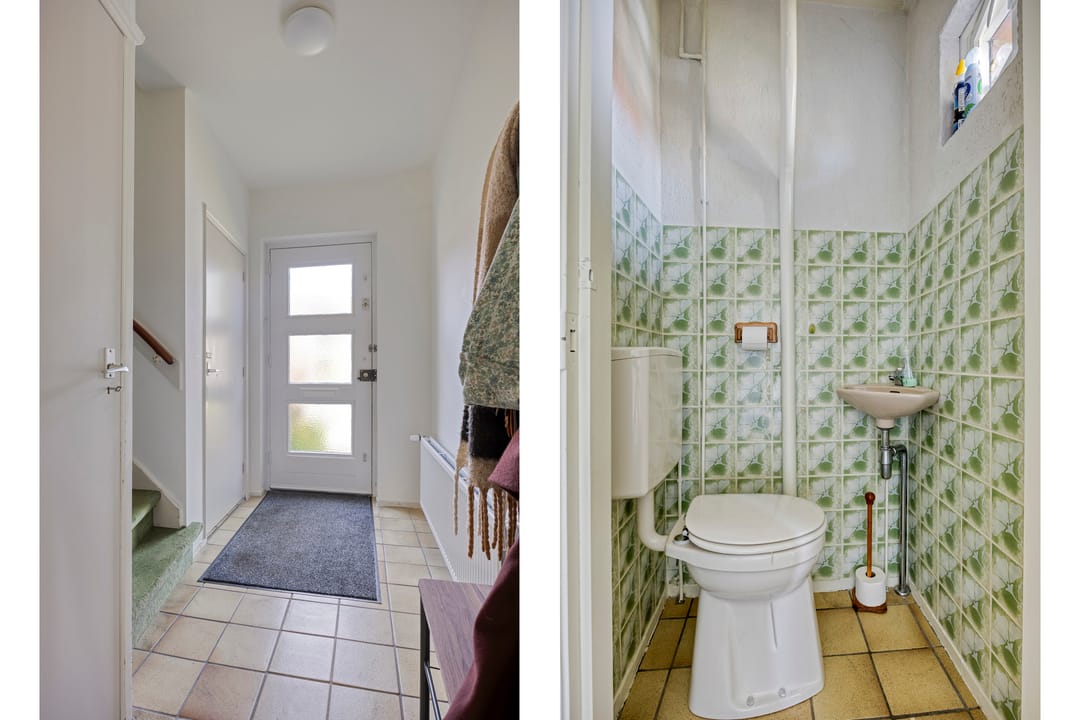
Upon entering the property through the covered entrance at the front, you reach the hallway. This space provides access to the staircase leading to the first floor, as well as a staircase descending to a wine and storage cellar. The ground floor toilet room is also located off the hallway.
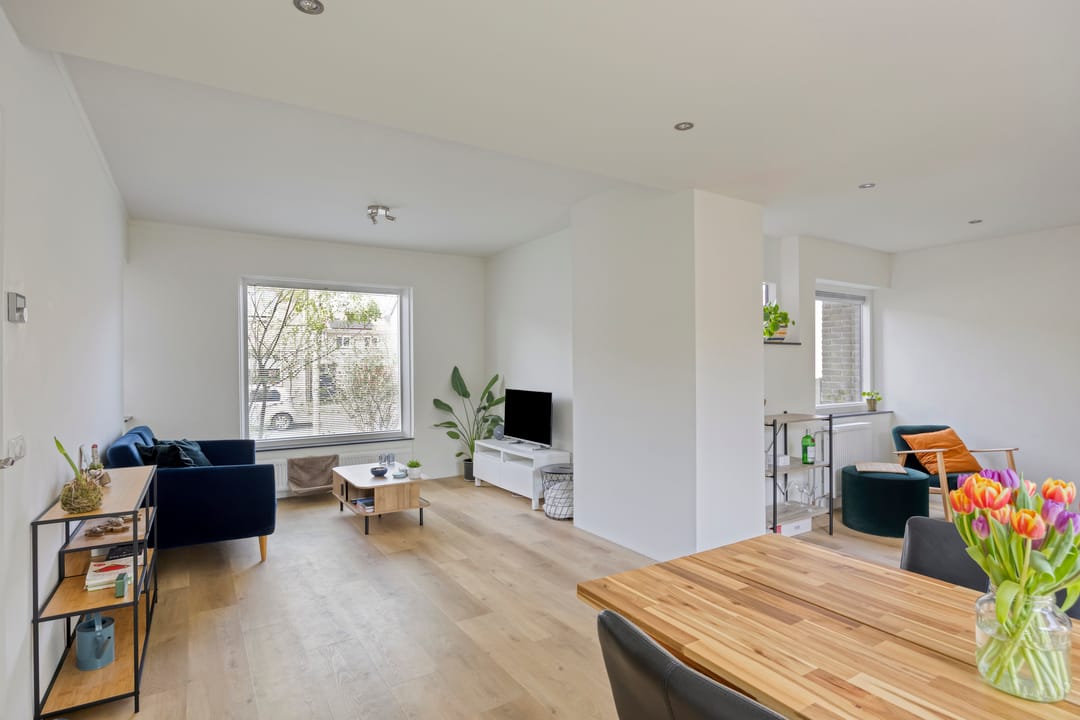
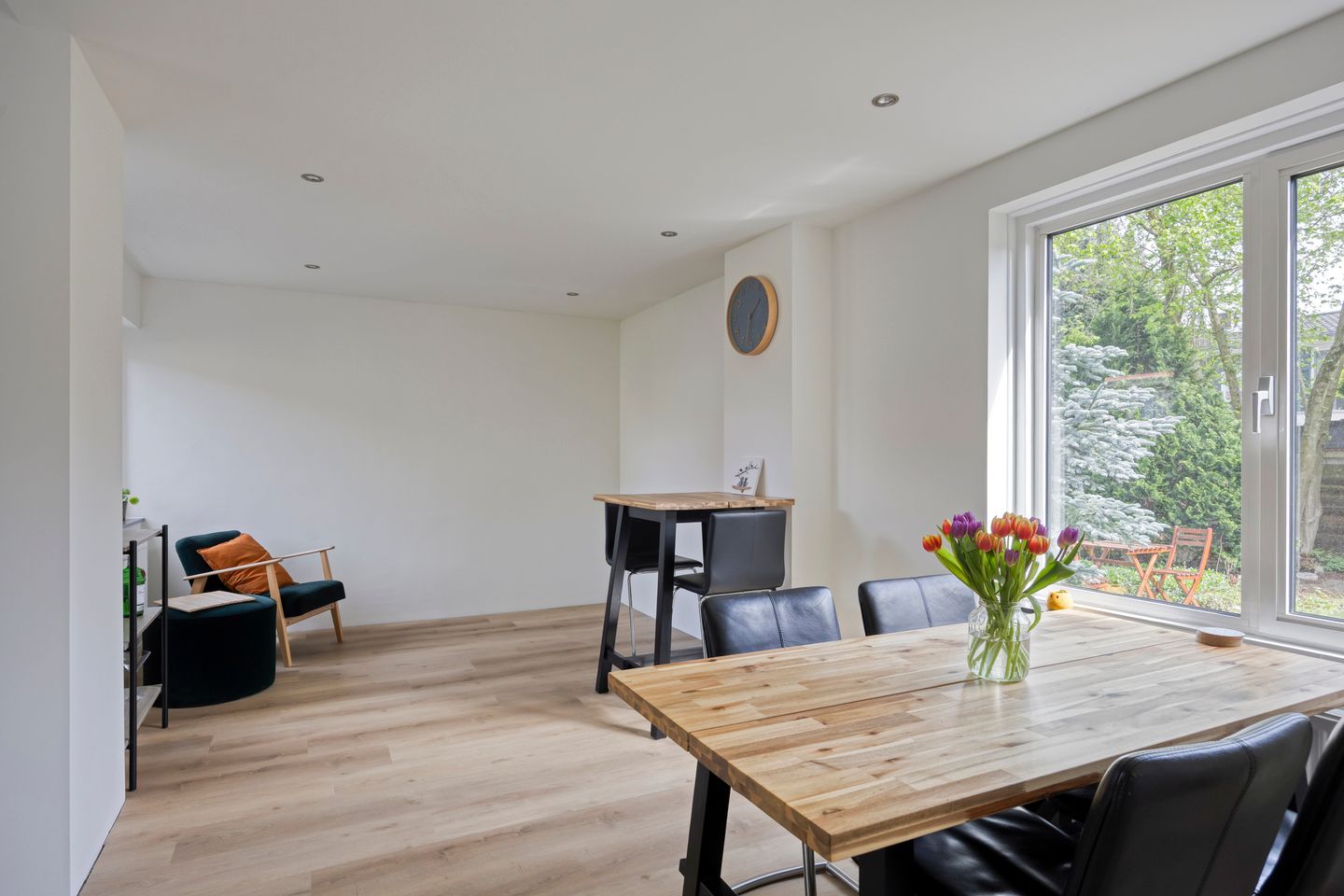
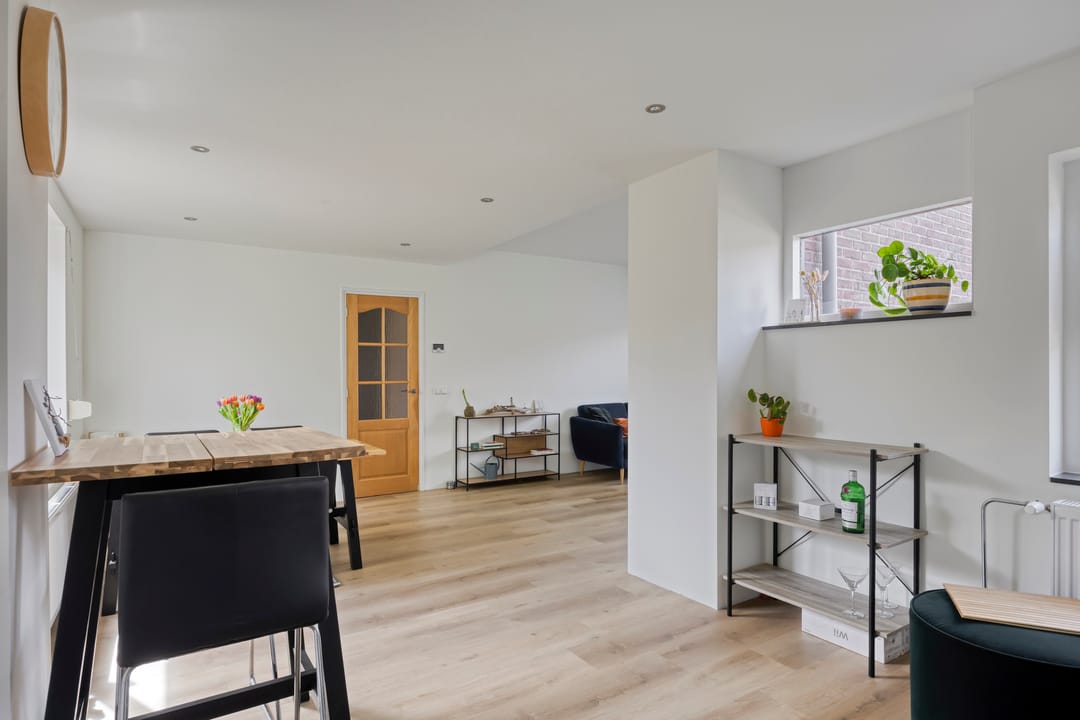
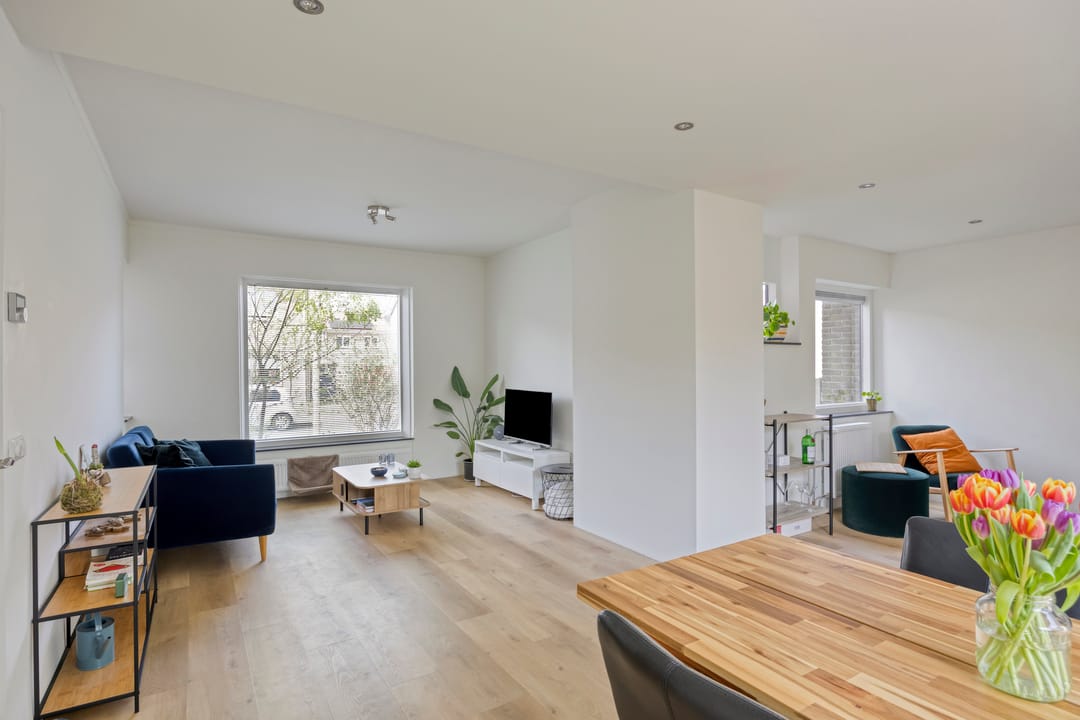
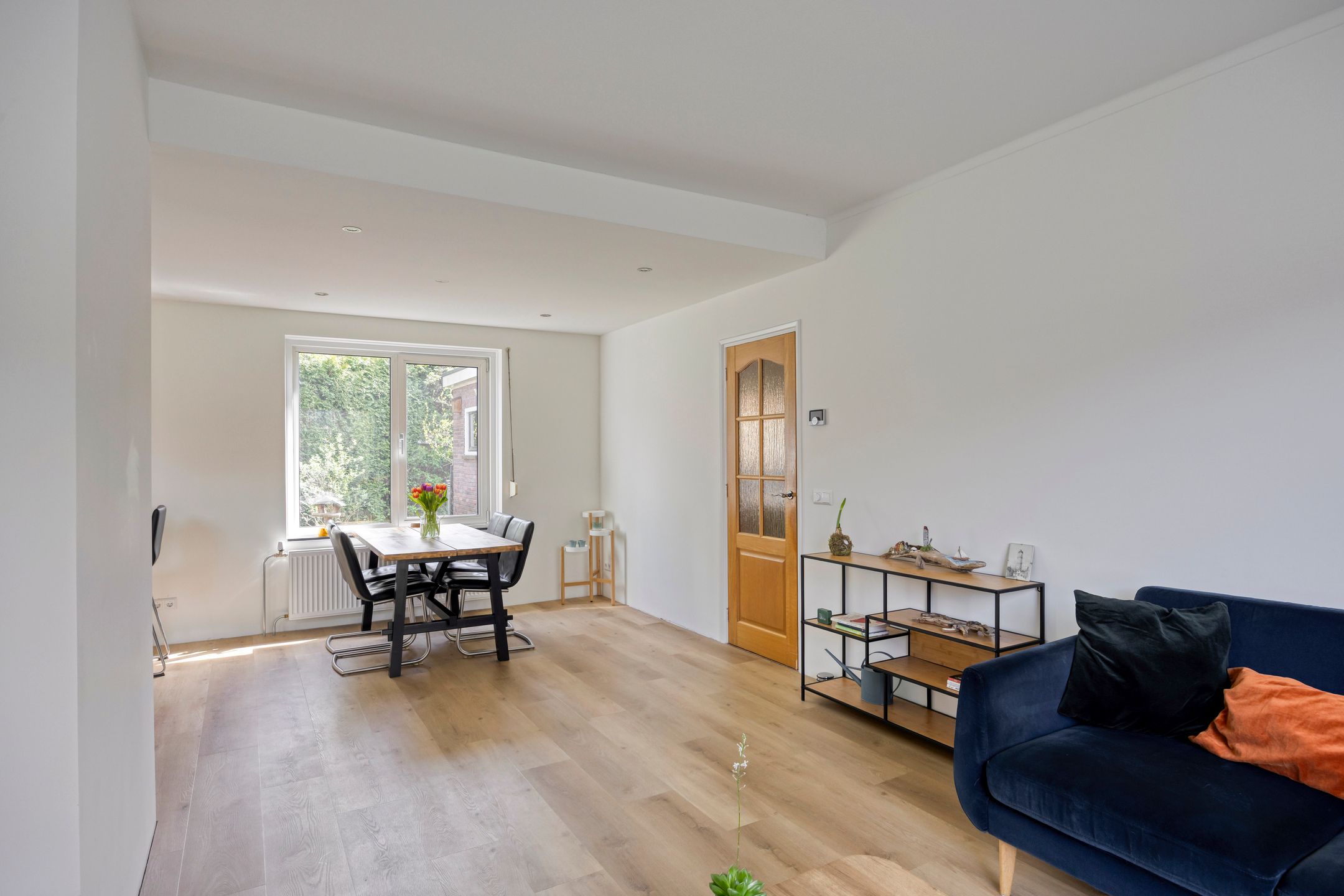
The living room has been enlarged thanks to the rear extension. Large windows allow plenty of natural light to enter the space, and the wood-look flooring creates a pleasant atmosphere. The closed kitchen is fitted with two walls of cabinetry in a green color scheme. Built-in appliances include a gas cooktop, extractor hood, dishwasher, and refrigerator. From the kitchen, you can access the utility room through a canopy structure. This space houses the washing machine and dryer.
The first floor features a green color scheme that continues from the ground floor, visible in both the toilet room and the landing area. From the landing, there is access to three bedrooms and the first bathroom. All bedrooms are equipped with built-in wardrobes for clothing and other storage needs. The first bathroom is described as dated and includes a shower and a washbasin.
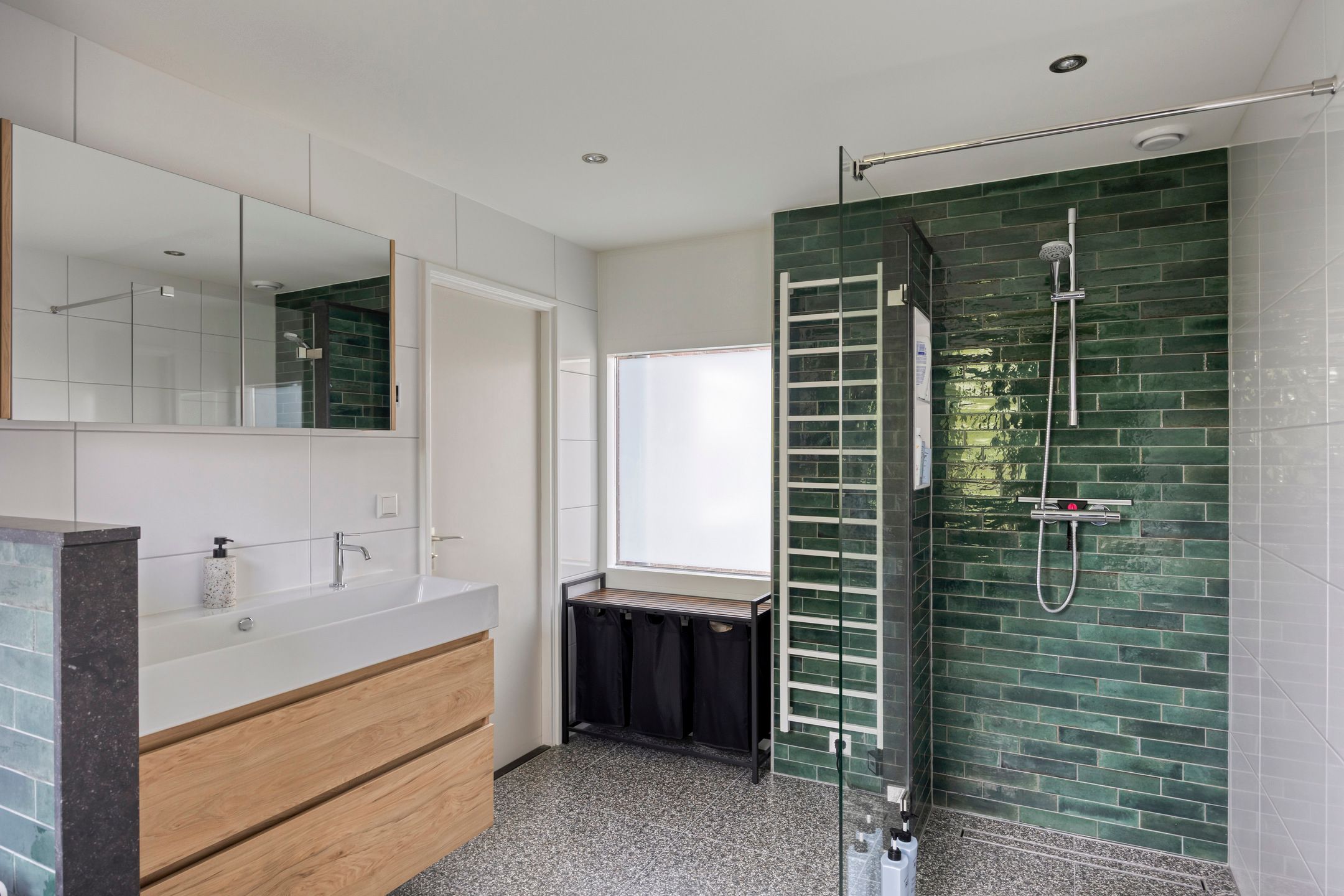
The master bedroom provides access to the second bathroom, which is spacious and luxuriously appointed. This bathroom features a bathtub with a thermostatic faucet that has an attractive design. There is also a spacious walk-in shower. Behind a partial wall, you will find a toilet and a wide vanity unit with two faucets and a mirror cabinet.
The attic is accessible from the first floor landing. This space features a skylight and houses the HR boiler installation.
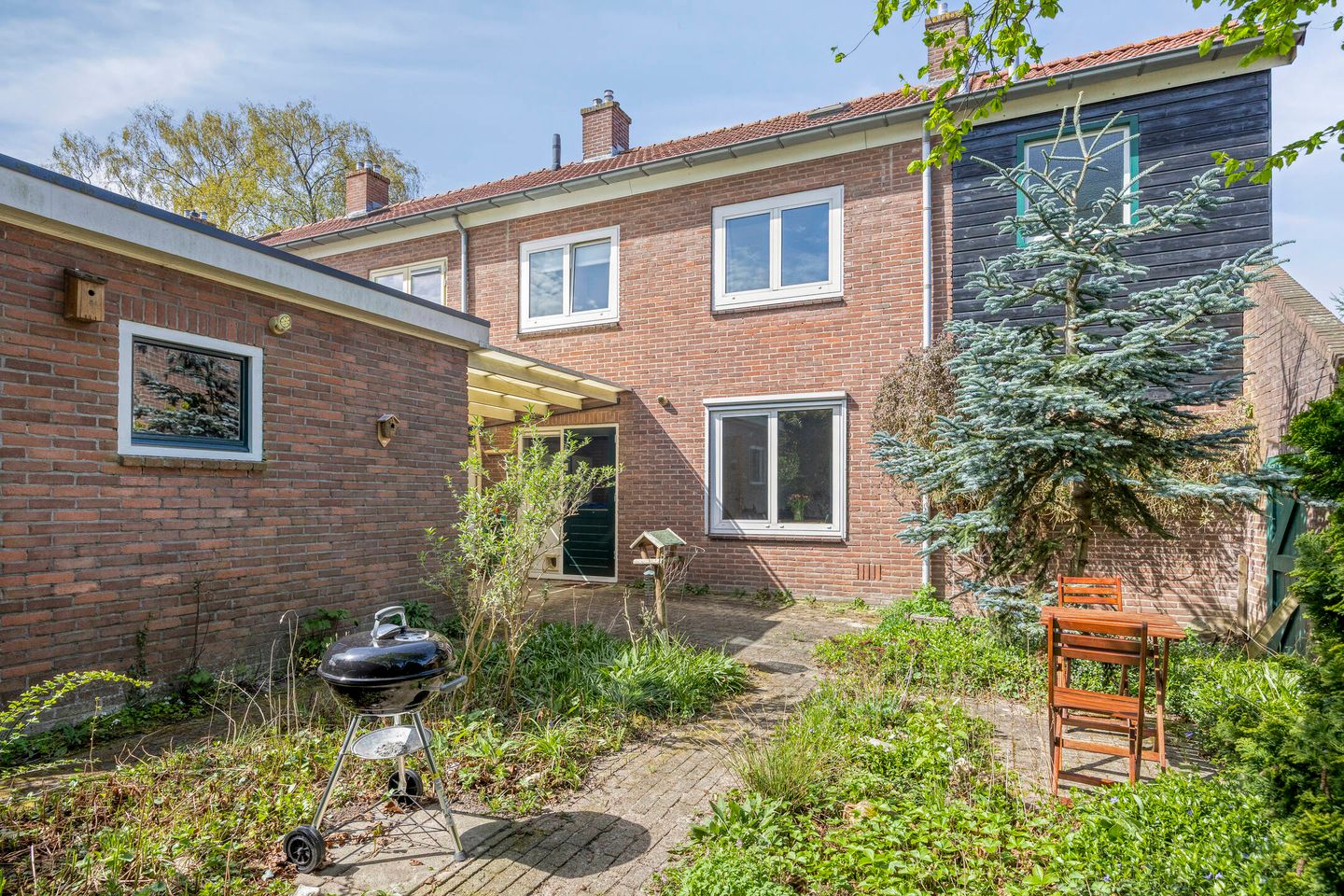
The property has a spacious backyard facing southeast, with abundant greenery and privacy. A freestanding stone storage building is available for bicycles and garden tools. An alley at the rear provides access back to Vossenstraat. The front garden features varied planting that gives the house a friendly and attractive appearance.
Notable features of the property include the unique combination of an extension and dormer addition from the late 1970s. The windows are a mix of aluminum and wooden frames, mostly with double glazing. The exterior painting was partially completed in 2025. Heating is provided by an HR boiler (Remeha NG1A), which was installed in 2025 and is owned by the property owner. Hot water is provided through the HR boiler and a close-in boiler. The heating system can be programmed via an app. The property has an energy label E rating.
The location of Doorwerth offers residents a combination of natural beauty and practical convenience. The village is surrounded by forests that provide excellent opportunities for outdoor recreation. The southern part of the village is particularly known for Kasteel Doorwerth, a historic landmark that adds character to the area. The Rhine River flows nearby with an impressive weir complex, offering scenic views and additional recreational possibilities. Despite its village character, Doorwerth provides essential amenities that make daily life convenient.
For commuters, the proximity to the Oosterbeek train station is a significant advantage. The approximately four kilometer distance can be covered by bicycle, car, or public transport. From this station, direct train services connect to Arnhem Centraal, one of the major railway hubs in the eastern Netherlands, as well as to Ede-Wageningen, providing access to the Wageningen University and Research Center area.
The ground floor layout of this property demonstrates thoughtful design that maximizes living space. The covered entrance provides protection from the elements when entering or leaving the home. The presence of a wine and storage cellar is a distinctive feature that adds valuable storage space below ground level. This type of cellar is relatively uncommon in modern construction, making it a characteristic element of this mid-century home.
The transition from the kitchen to the utility room through a canopy structure is a practical design element that provides weather protection when moving laundry or accessing the garden. Having the washing machine and dryer in a separate space keeps noise and moisture away from the main living areas.
The first floor of the property showcases the most significant modification to the original structure. The dormer addition from the late 1970s has transformed the roof space, likely contributing to the ceiling height and usable area of the first floor rooms. The decision to include built-in wardrobes in all three bedrooms demonstrates attention to storage needs, which is particularly valuable in a home of this size.
The contrast between the two bathrooms is notable. While the first bathroom is described as dated, the second bathroom connected to the master bedroom is characterized as luxurious and spacious. This suggests that the property has undergone selective renovations, with the ensuite bathroom being a more recent improvement. The inclusion of both a bathtub and a walk-in shower in the second bathroom provides flexibility for different preferences and needs.
The attic space, while not fully developed as living space, provides additional storage capacity and houses the essential boiler installation. The skylight ensures natural light reaches this area and could potentially be expanded if future owners wish to convert the attic into additional living space.
The outdoor spaces of the property have been designed with attention to both aesthetics and practicality. The southeast-facing backyard benefits from morning and early afternoon sun, making it suitable for outdoor dining and relaxation during warmer months. The emphasis on greenery and privacy suggests careful landscaping that has matured over time. The freestanding stone storage building is a practical feature that keeps the main house clear of garden equipment and bicycles while protecting these items from the weather.
From a maintenance perspective, the property shows signs of recent attention. The exterior painting completed in 2025 indicates that the current owners have invested in maintaining the property's appearance and protection against the elements. The 2025 installation of the Remeha NG1A boiler represents a significant upgrade to the heating system, as modern condensing boilers are substantially more efficient than older models. This new installation should provide reliable heating and hot water for years to come while keeping energy costs relatively controlled despite the E energy label rating.
The energy label E rating reflects the building's original 1954 construction and the partial double glazing. While this rating suggests there is room for improvement in energy efficiency, the presence of some double glazing and the modern boiler provide a foundation for further upgrades. Future owners might consider additional insulation measures or window replacements to improve the energy rating over time.
The cadastral situation with both full ownership and joint ownership parcels is not uncommon in Dutch residential areas, particularly where alleys or shared access paths are involved. Prospective buyers should familiarize themselves with the rights and obligations associated with the jointly owned parcel.
The architectural character of this corner house reflects the post-war building period of 1954, when there was significant demand for new housing in the Netherlands. Homes from this era typically feature practical layouts with solid construction. The subsequent modifications, particularly the extension and dormer addition from the late 1970s, represent the common practice of expanding homes during that period to meet changing family needs and lifestyle expectations.
The mix of aluminum and wooden window frames indicates phased replacement over the years. Aluminum frames are generally low maintenance and durable, while wooden frames offer good insulation properties when properly maintained. The predominance of double glazing among these windows provides improved thermal performance compared to the original single glazing that would have been installed in 1954.
The property's volume of 408 cubic meters provides context for the spatial experience within the home. This figure, combined with the 94 square meters of living space, suggests reasonable ceiling heights that contribute to a sense of spaciousness despite the modest floor area.
The designation of 21 square meters as additional indoor space likely includes areas such as the hallway, the cellar access area, and possibly parts of the bathroom spaces that are not counted in the primary living area measurement. The 10 square meters of built-in outdoor space probably refers to the canopy structure connecting the kitchen to the utility room, while the 8 square meters of external storage represents the freestanding stone storage building.
The presence of mechanical ventilation indicates an awareness of indoor air quality, which is important in a home that has been made more airtight through the addition of double glazing. TV cable provision suggests the property is ready for modern entertainment setups.
The property is offered with partial furnishings, which may include items such as window coverings, light fixtures, or potentially some furniture pieces. Buyers should clarify exactly what furnishings are included in the sale to avoid misunderstandings.
The balcony mentioned in the property features is likely associated with the dormer addition on the first floor, providing outdoor space at an elevated level. This feature adds to the living options and can be particularly enjoyable during fair weather.
Public parking is the only option for vehicle storage at this property, which is typical for homes of this era and location. Prospective buyers should consider the availability of parking spaces in the immediate vicinity and any permit requirements that may apply.
The designation of the property as available in consultation for acceptance dates suggests flexibility in the timing of the transaction, which can be beneficial for buyers who need to coordinate the sale of their current home or the termination of a rental agreement.
This corner house in Doorwerth represents an opportunity to acquire a characterful home in a desirable location between two major cities. The combination of original features and subsequent modifications creates a property with individual character that differs from modern standardized construction. The proximity to natural areas, combined with access to urban amenities via nearby transportation links, offers a balanced lifestyle that appeals to many home seekers.