Key Features
Description
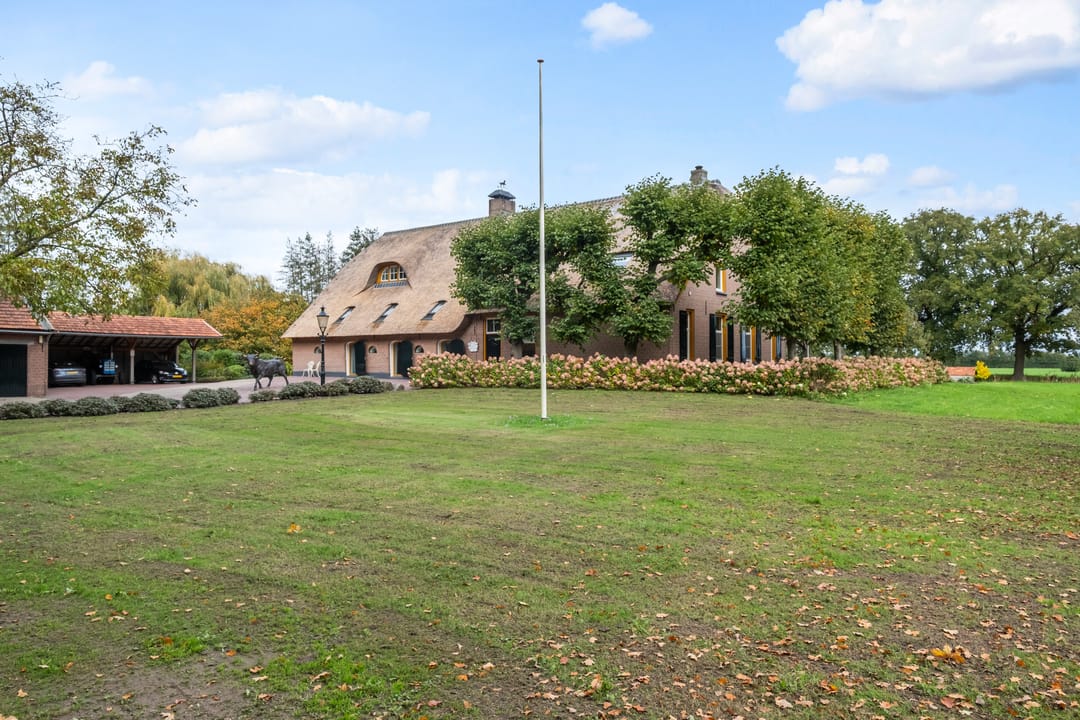
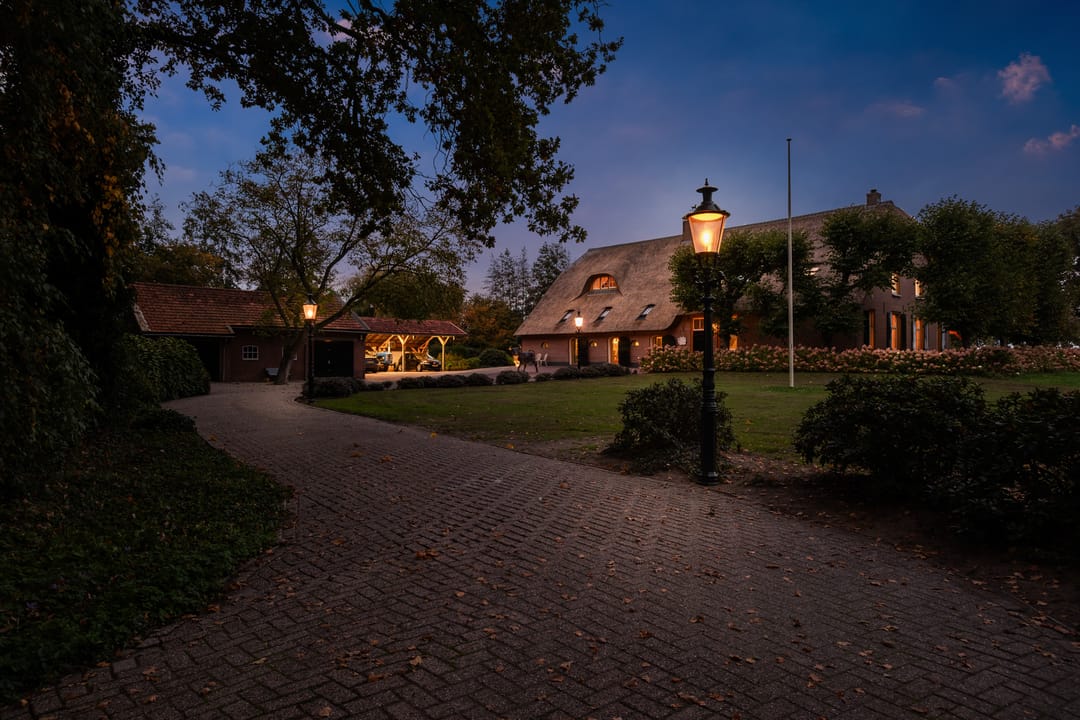
The property is located on Slaagseweg 8 in Hoogland Zeldert, postal code 3828 PK. This is a monumental farm known as Hoeve Sluisdijk, which holds significant historical importance in the region. The asking price is set at three million euros, costs to be paid by the buyer.
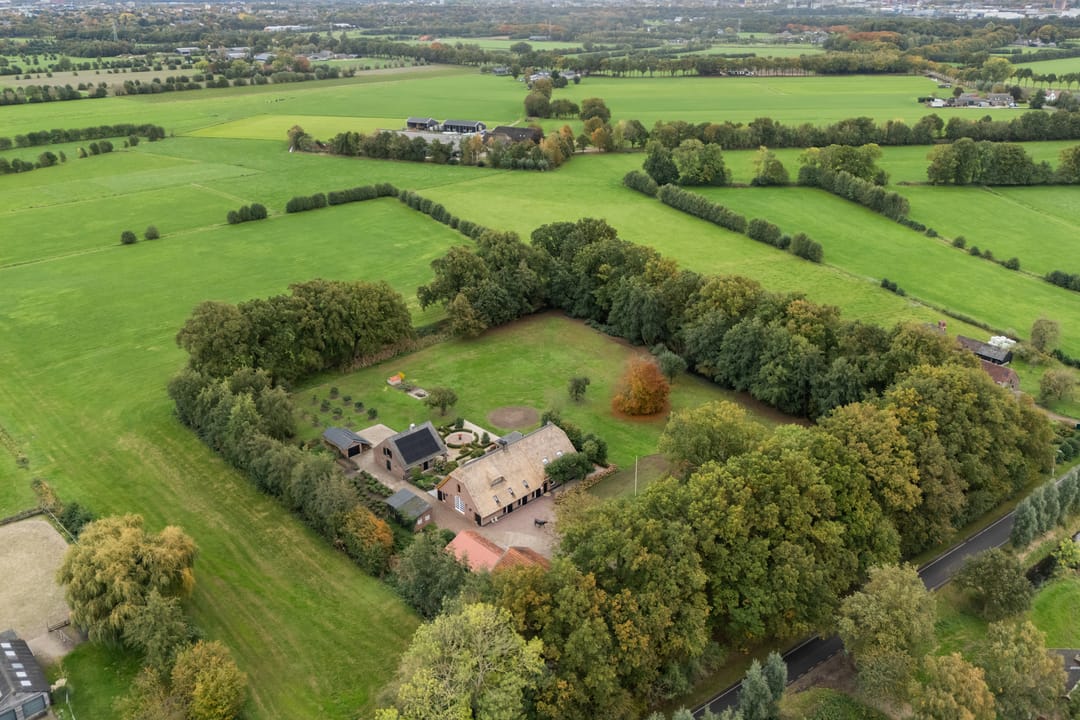
The farm is situated on an expansive plot measuring 15,380 square meters, providing exceptional privacy and a connection to the surrounding natural landscape. The living area of the main residence covers 421 square meters, with additional outbuildings totaling 298 square meters. The total volume of the buildings amounts to 1,802 cubic meters.
Historical records indicate that the name Sluysdyk appeared on ancient maps as one of the oldest estates in polder De Slaag. The farm is believed to have originated around the 12th century, a time when farmers constructed their homes on small mounds known as terpen to remain above water during periods of high water levels. Throughout its long history, the property has served various functions and housed different occupants, including mayors of Amersfoort during the 18th and 19th centuries.
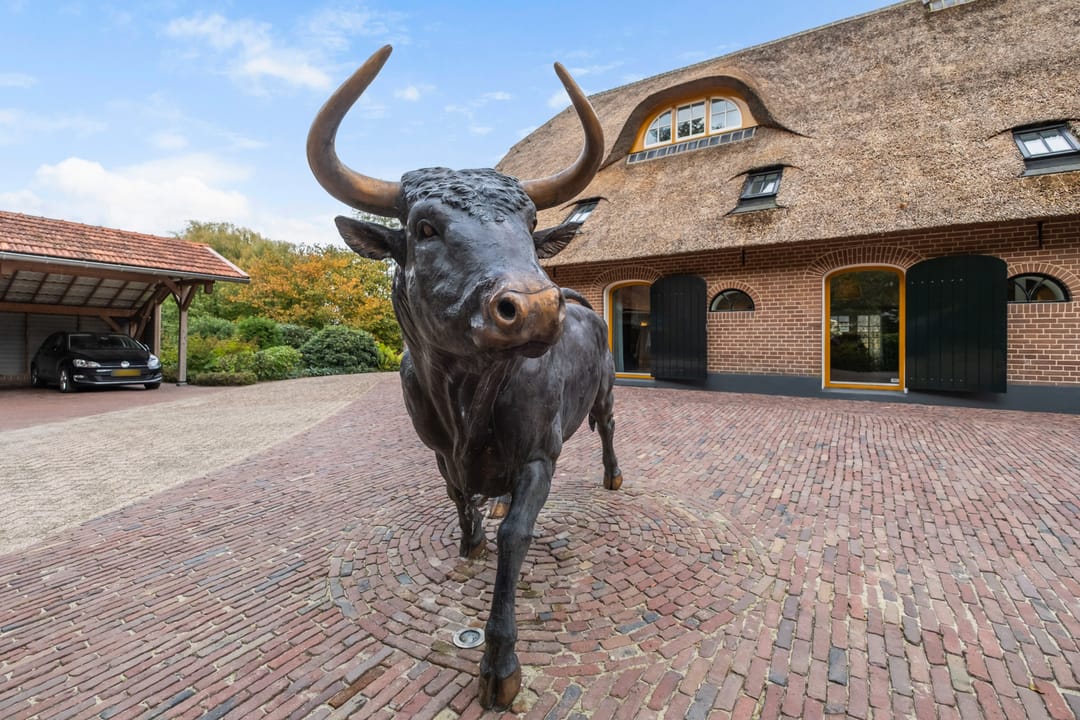
The current form of the farm dates back to 1865. Characteristic features from this period include the thatched roof, original shutters, authentic box beds known as bedsteden, and five majestic lime trees lining the front of the property. These elements serve as tangible reminders of the rich history associated with this estate.
During the 1990s, the farm was partially rebuilt, and in 2016 it underwent a thorough renovation. This restoration process carefully preserved original details while incorporating high quality materials, proper insulation, and modern installations. Notable among these modern additions is a ground source heat pump system that provides efficient heating.
The ground floor of the residence features an entrance hall with an authentic staircase. Also located on this level is an atmospheric bedroom that includes a traditional box bed and a fireplace. Adjacent to this bedroom is a walk in closet that has been created from what was formerly known as an opkamer, which also contains a box bed. The bathroom on this floor is particularly noteworthy, featuring another box bed, a freestanding bathtub, an attractive vanity unit, and a walk in shower.
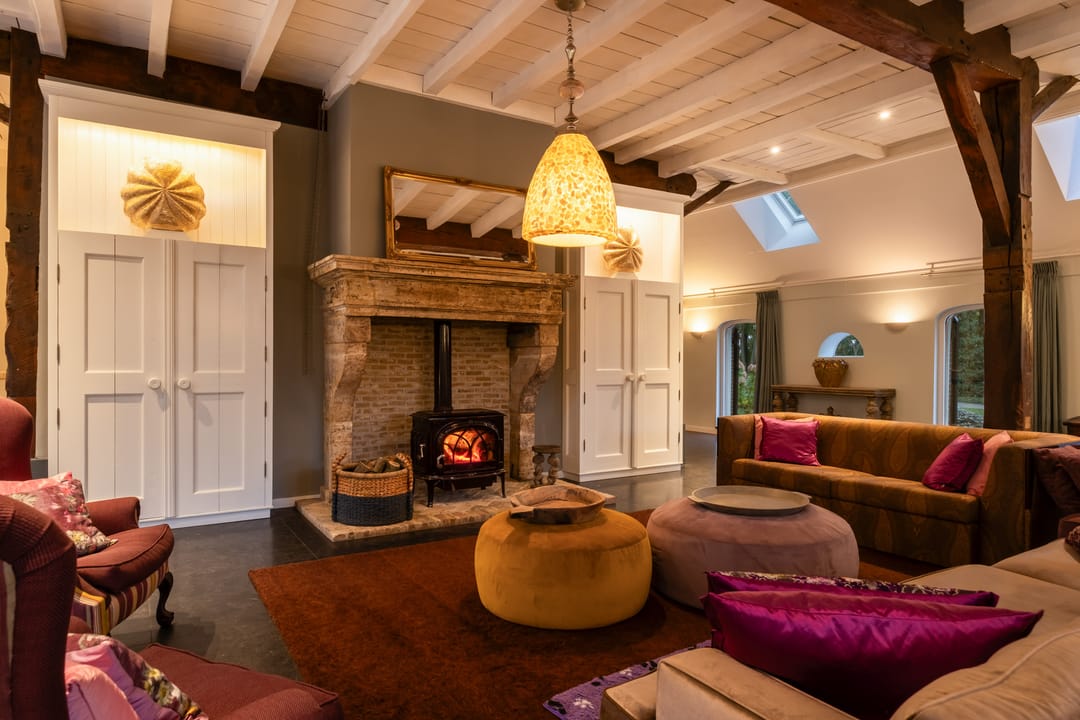
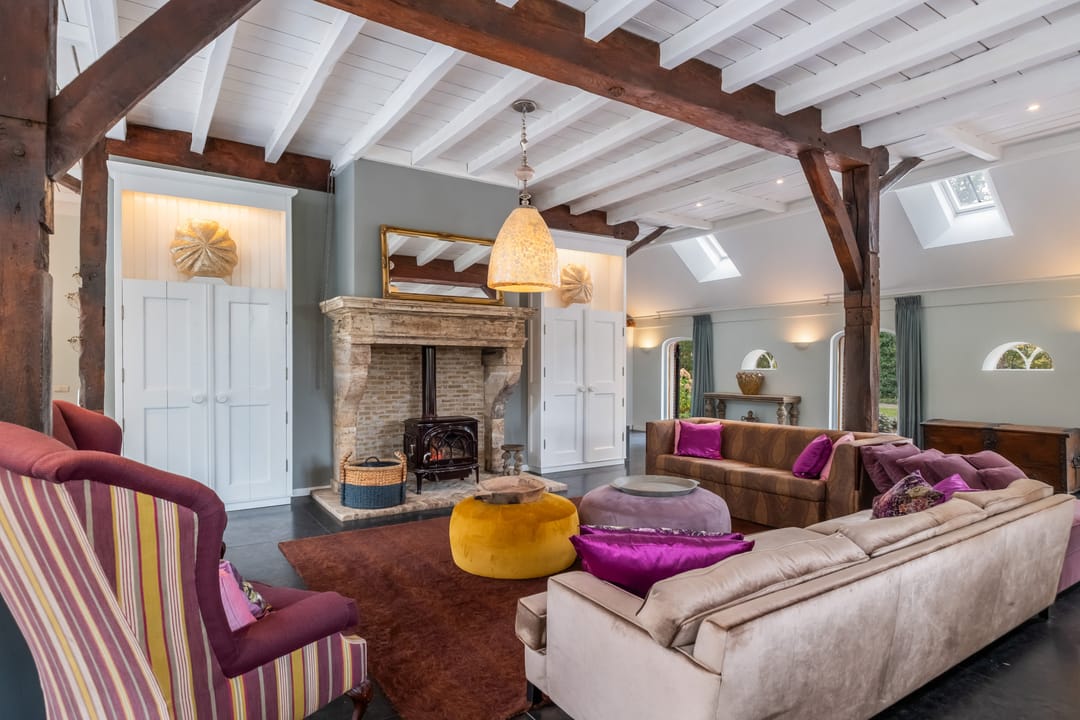
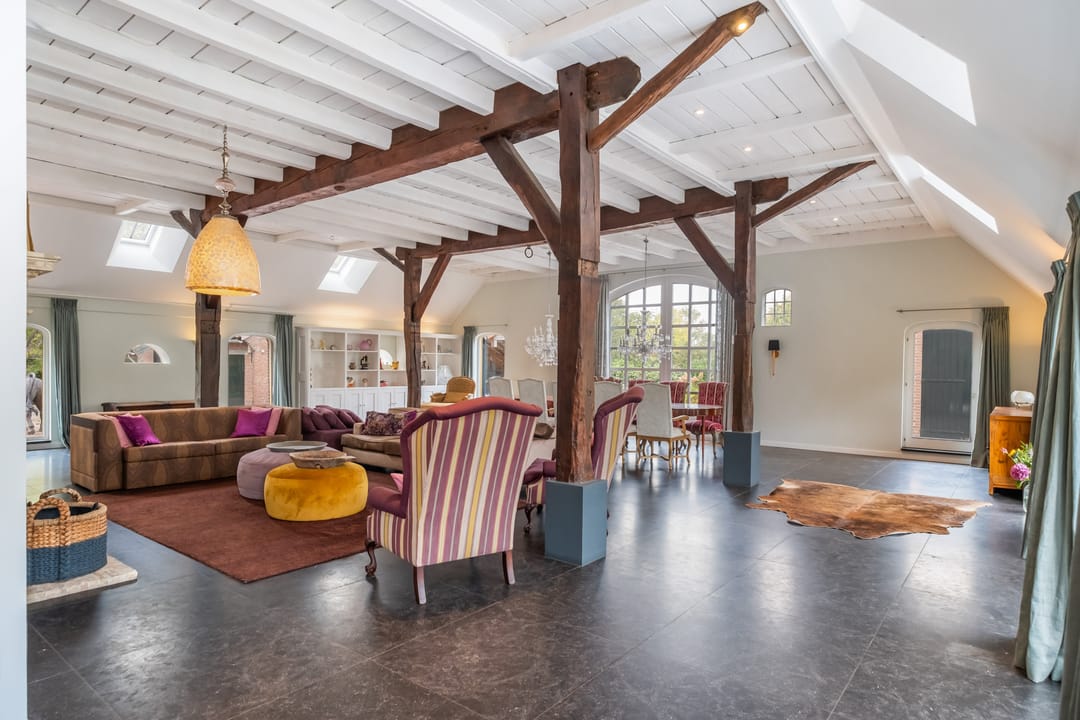
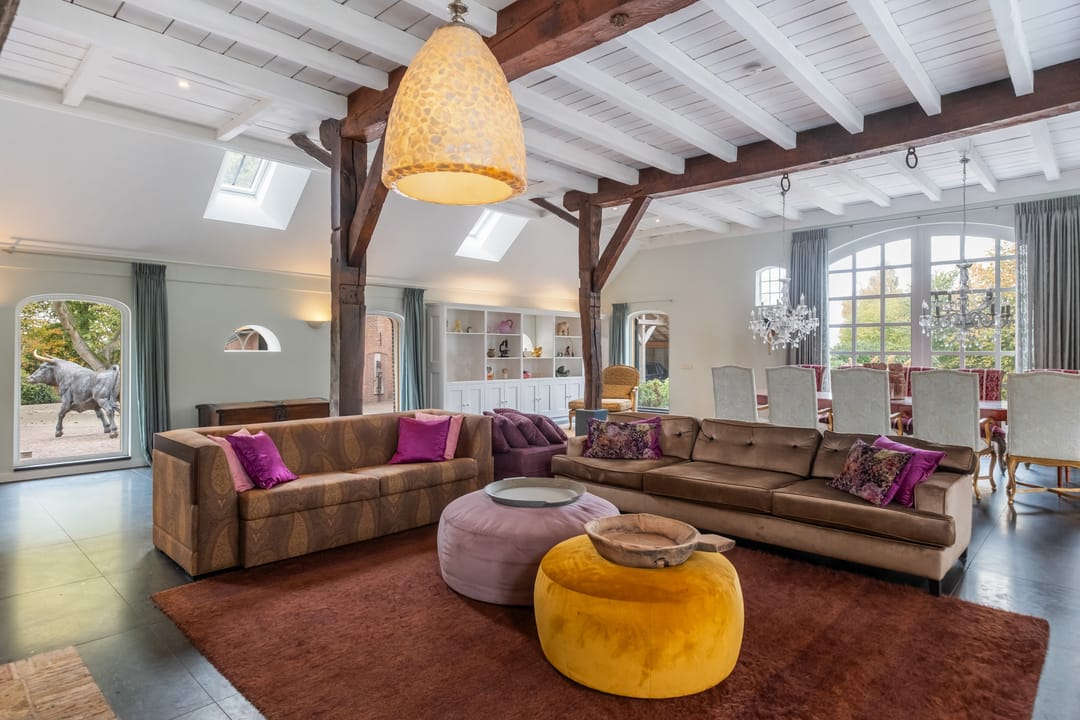
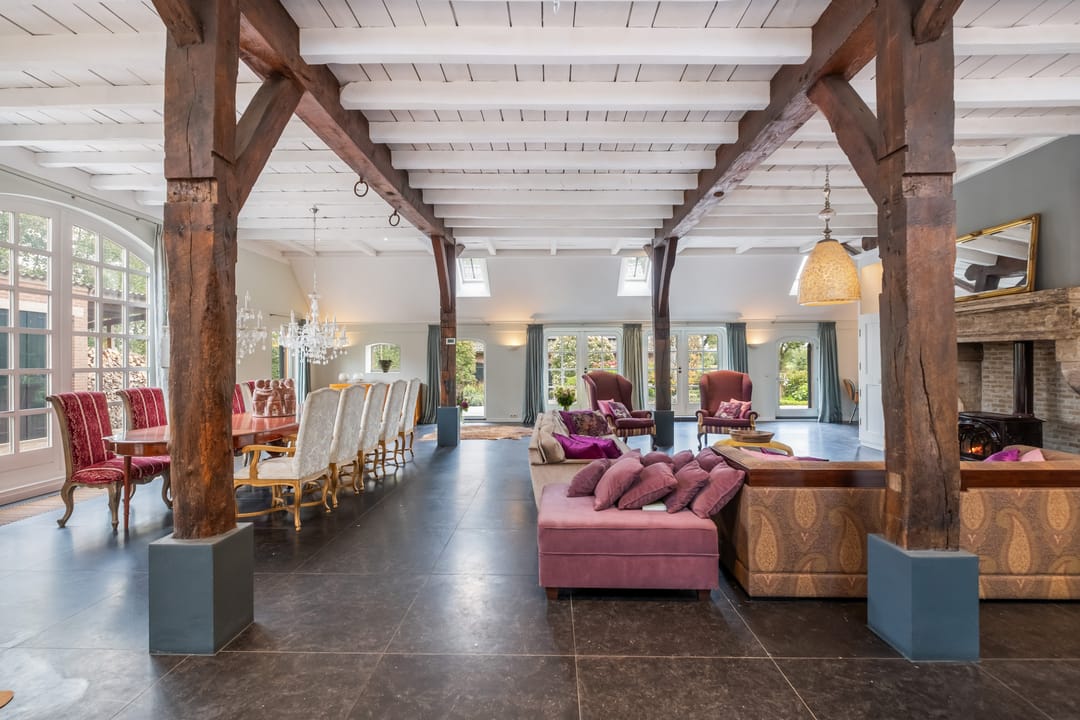
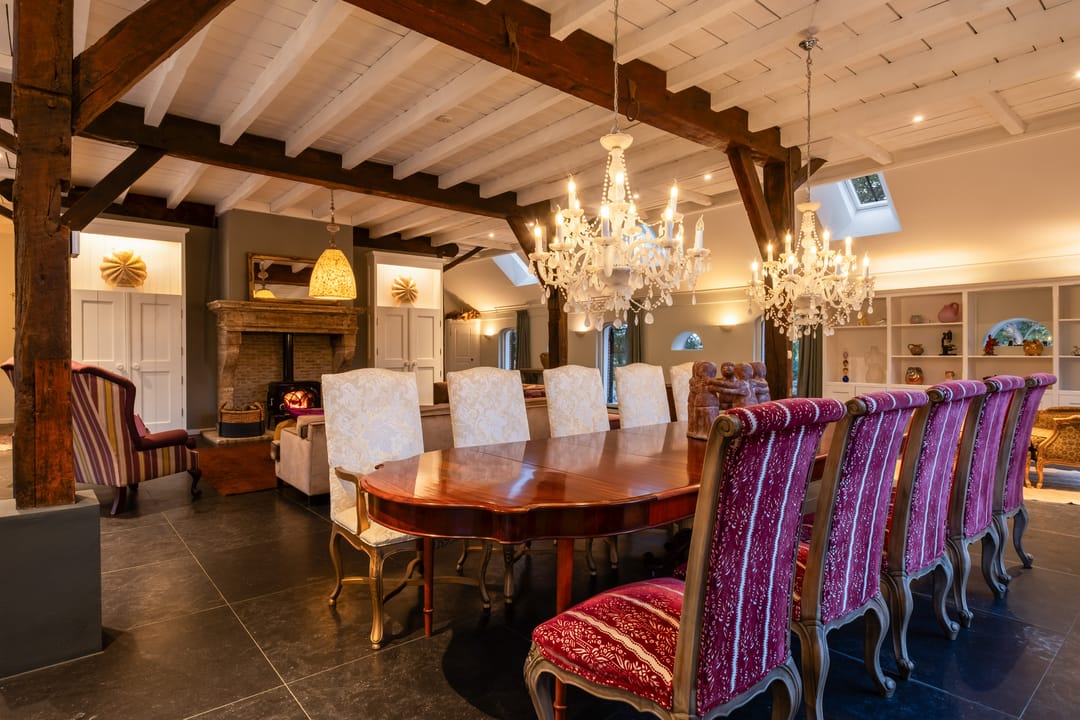
The former agricultural section of the farm, known as the deel, has been transformed into an impressive living area. This space contains a custom made oak kitchen equipped with built in appliances. The floor features natural stone, and multiple large sliding doors provide access to the garden. A utility room houses both an old water pump and the modern technical installations. Even the spacious arched cellar has been finished in a style consistent with the rest of the property.
The upper floor comprises a spacious landing, a second bathroom, two generous bedrooms, and an enormous multifunctional space with skylights extending to the ridge of the roof. This large room could potentially be divided into multiple separate spaces according to the preferences of future owners. A new attic space, accessible via a pull down ladder, provides additional storage options.
The grounds of more than 15,000 square meters contain several outbuildings that offer various possibilities for use. These include a large shed with a carport, an electric vehicle charging point, and stabling for multiple cars. There is a former milking parlor with sliding doors and an adjacent wood storage area. A large freestanding farm shed, fitted with 42 solar panels installed in 2023, could serve as an artist studio or guest accommodation. Additionally, there is a double garage with wood storage facilities.
The garden has been laid out according to a professional design and includes a picking garden, fruit trees, hazel bushes, rhododendrons, and a generous canopy adjoining the residence, suitable for enjoying long summer evenings outdoors.
The property is nearly self sufficient thanks to its own water extraction system with filtration, the heat pump for heating, and a total of 56 solar panels for electricity generation. The energy performance certificate rates the property at label A, indicating excellent energy efficiency. The insulation includes predominantly double glazing and complete insulation throughout the building.
Hoeve Sluisdijk occupies a rural yet remarkably central location, geographically situated almost exactly between the towns of Hoogland, Soest, and Baarn. The pleasant center of Amersfoort is only fifteen minutes away by bicycle, and a bicycle ferry to Amersfoort takes just seven minutes of cycling. The proximity to the river Eem offers wide views across the meadows, with pleasant walking and cycling paths leading toward Castle Groeneveld and Palace Soestdijk. Several marinas, Golfclub Hoogland, and various sports and village facilities are located in the immediate vicinity.
The property is designated as a municipal monument, which provides certain protections but also acknowledges its cultural and historical significance. The full ownership of the property is registered in the land registry under designation HOOGLAND P 211.
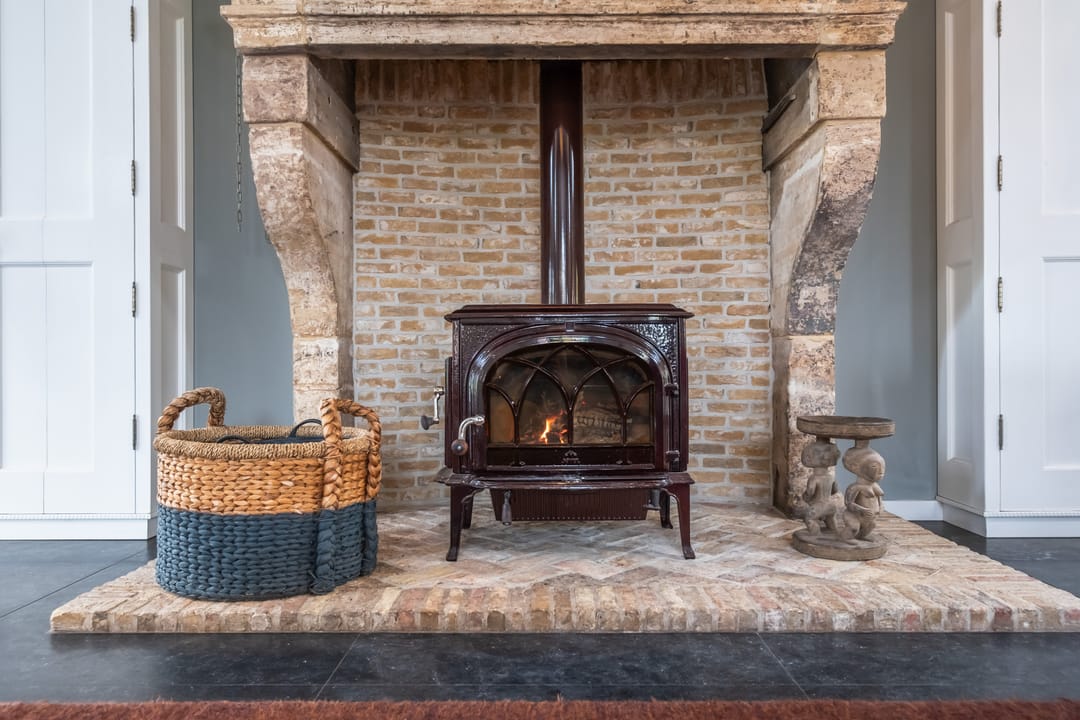
Parking facilities include space on both enclosed and open private grounds, with a total capacity for four vehicles in the carport and garage combined. The property features an alarm system, mechanical and natural ventilation options, a chimney for the wood stove, and the aforementioned solar panels.
The acceptance terms are to be discussed, indicating some flexibility in the transition arrangements. The property is partially furnished, which may facilitate a smoother move for the new owners.
The architectural style of the farm reflects the traditional building methods of the region, with the mansard roof covered with thatch being a particularly distinctive feature. This type of roof construction allows for additional living space in the upper sections while maintaining the characteristic silhouette of a Dutch farmhouse. The thatched roof requires specific maintenance but contributes significantly to both the aesthetic appeal and the insulating properties of the building.
The preservation of the box beds, known in Dutch as bedsteden, represents an important aspect of maintaining the historical integrity of the interior. These built in sleeping alcoves were common in traditional Dutch homes from the 17th through the 19th centuries, providing a warm and private sleeping space within the main living areas. Finding multiple authentic examples preserved in a single property is relatively unusual and adds considerable character to the residence.
The transformation of the former agricultural section into living space demonstrates a thoughtful approach to adaptive reuse. Rather than simply converting the space, the renovation appears to have respected the original proportions and architectural features while introducing modern amenities and a level of comfort appropriate for contemporary living. The inclusion of large sliding doors creates a strong connection between the interior and the surrounding landscape.
The professional garden design incorporates elements that complement both the historical nature of the property and the desire for practical outdoor living space. The picking garden provides both aesthetic appeal and the opportunity to grow flowers and possibly vegetables for household use. The fruit trees contribute to the self sufficient character of the estate, while the rhododendrons and other plantings provide year round visual interest.
The infrastructure supporting the nearly self sufficient operation of the property is noteworthy. The water extraction and filtration system reduces dependence on municipal water supplies. The ground source heat pump provides efficient heating without the need for fossil fuels. The 56 solar panels, distributed between the main buildings, generate electricity that can substantially offset or eliminate grid electricity consumption. Together, these systems represent a significant investment in sustainable living that also provides long term economic benefits through reduced utility costs.
The location near the Eem river places the property within one of the more scenic areas of the central Netherlands. The river landscape offers constantly changing views through the seasons and supports a diverse ecosystem that nature enthusiasts can appreciate. The proximity to Castle Groeneveld, a national estate with significant historical and cultural importance, and Palace Soestdijk, formerly a royal residence, situates the property within a region of considerable heritage value.
The availability of a bicycle ferry to Amersfoort provides a charming and practical connection to urban amenities. This traditional form of river crossing adds to the character of the location while offering an efficient route to the city center for shopping, dining, cultural activities, and other urban services.