Charming Monumental Townhouse with Park Views in the Plantage Neighbourhood
Key Features
Description
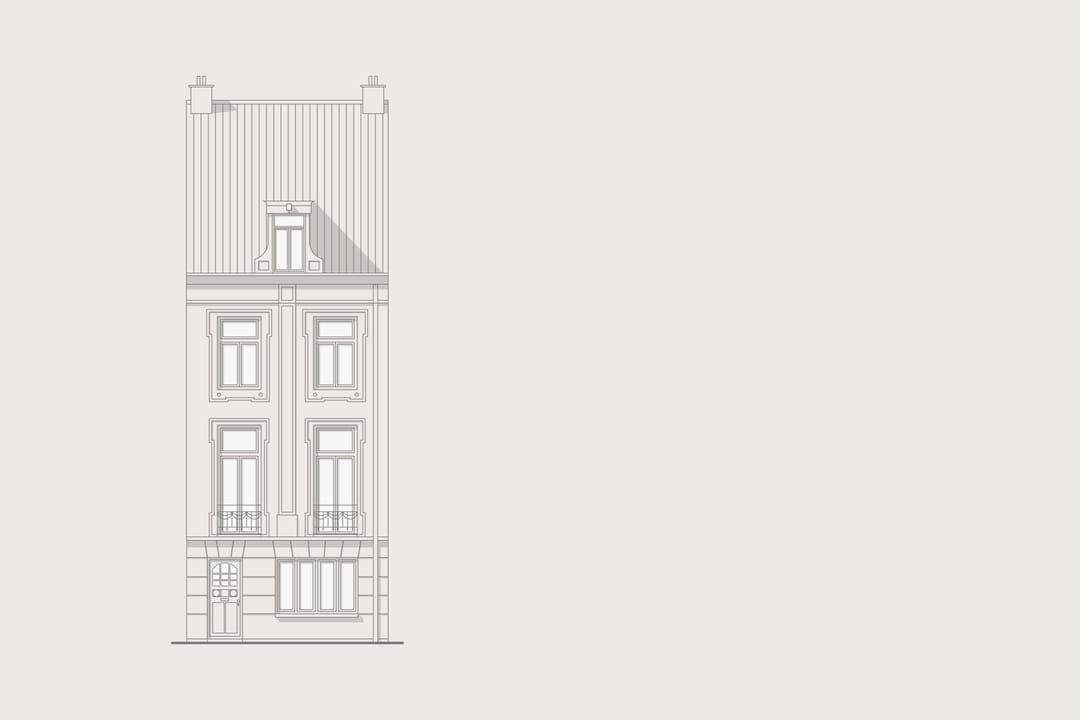
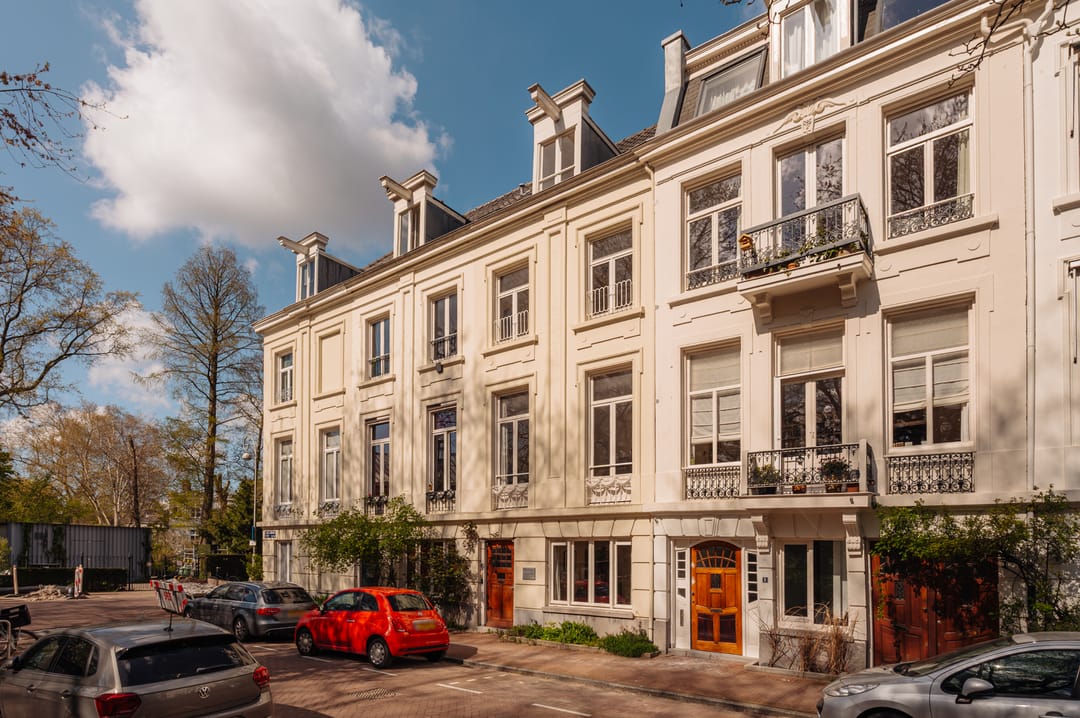
Located in the desirable Plantage neighbourhood of Amsterdam, this townhouse at Plantage Muidergracht offers a unique living opportunity in a historically significant property. The building, constructed in 1875, holds the status of a municipal monument and is situated within a nationally protected cityscape. With a living area of approximately 157 square metres spread across four floors, this residence presents an interesting layout that reflects its architectural heritage.
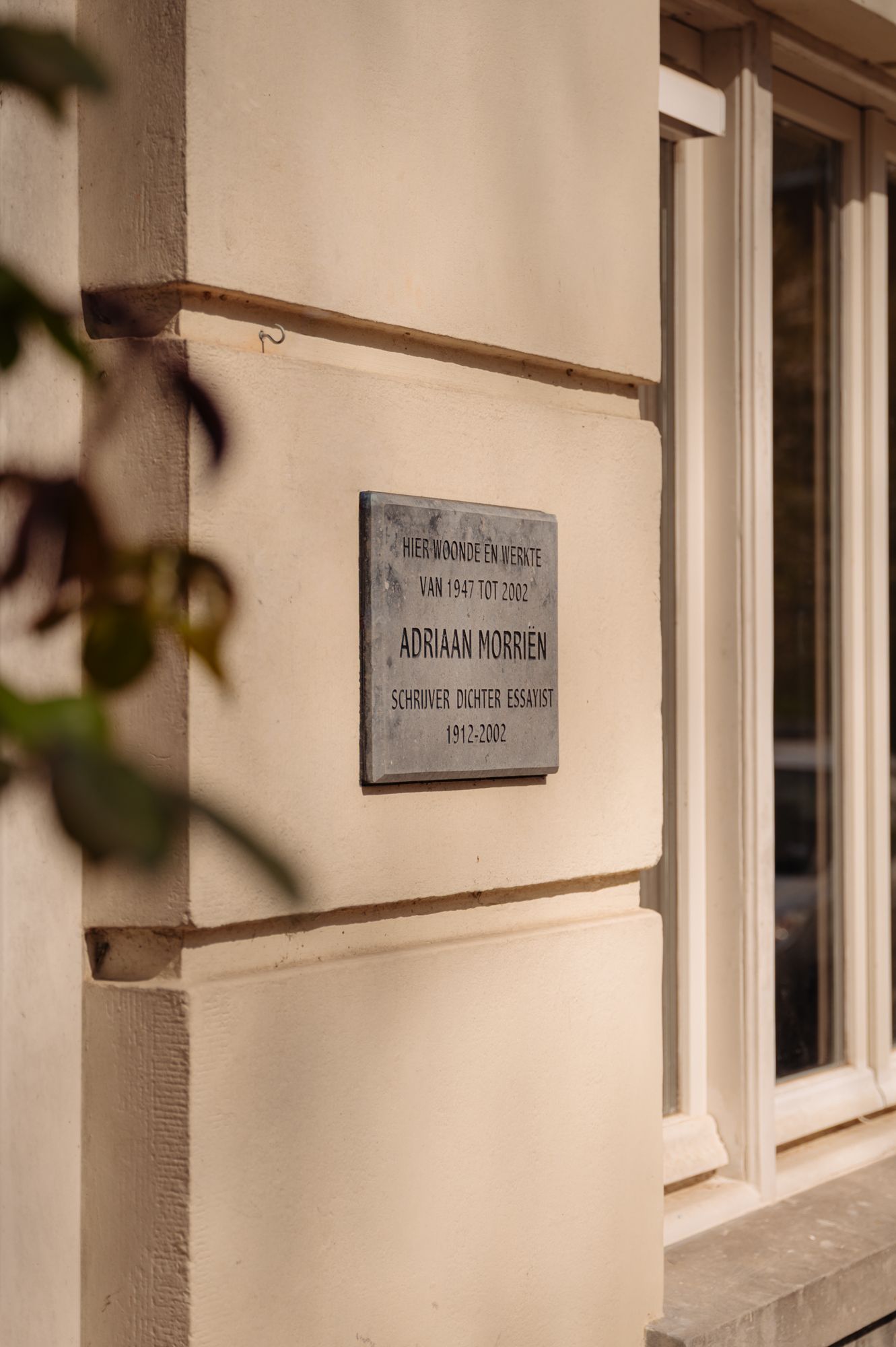
The history of this property is particularly noteworthy. Originally built as three separate homes, the building was later combined into two dwellings and has now been unified into one complete townhouse. The facade features a commemorative plaque dedicated to Adriaan Morriën, the renowned poet and essayist who lived and worked in this house for many decades. The current sellers have family ties to the property spanning back to 1961, when their father purchased the home. He described the row of white houses at the beginning of Plantage Muidergracht as the Riviera of the Plantage neighbourhood, and even published a book titled Plantage Muidergracht in 1988.
The ground floor is arranged with a living room at the front, a centrally positioned dining room, and a kitchen with bathroom at the rear. The ceiling height on this level measures approximately 2.70 metres, providing a sense of space. The routing follows a logical path from the entrance through the hallway and dining room to the kitchen. It should be noted that this floor is currently rented out but will be delivered vacant to the new owner.
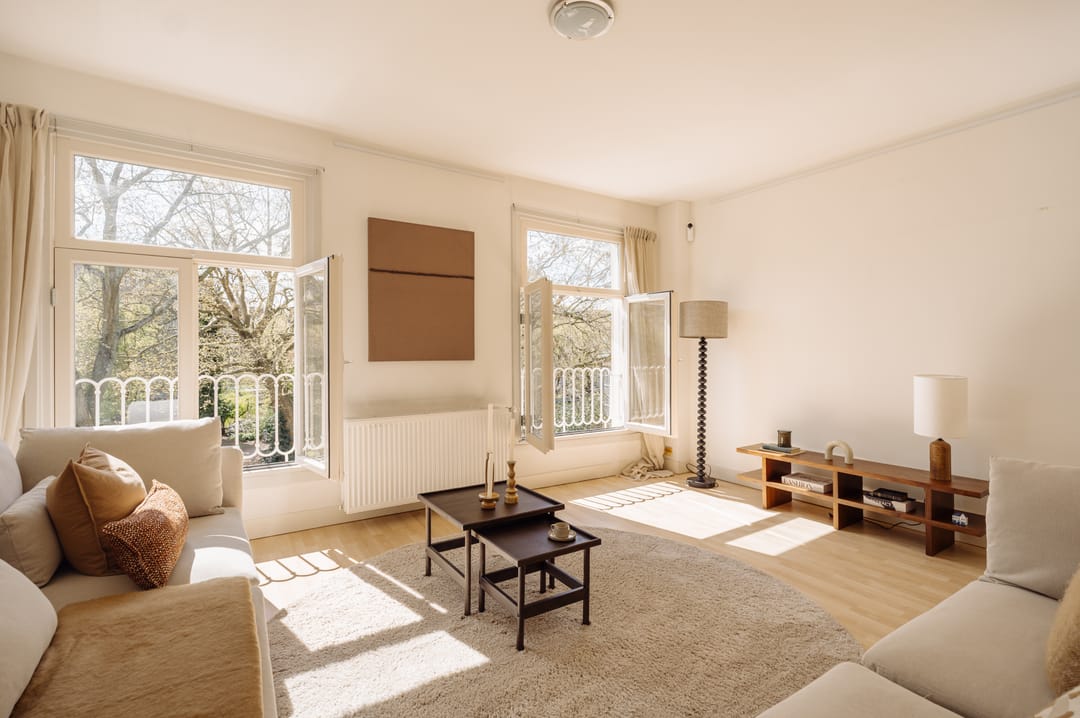
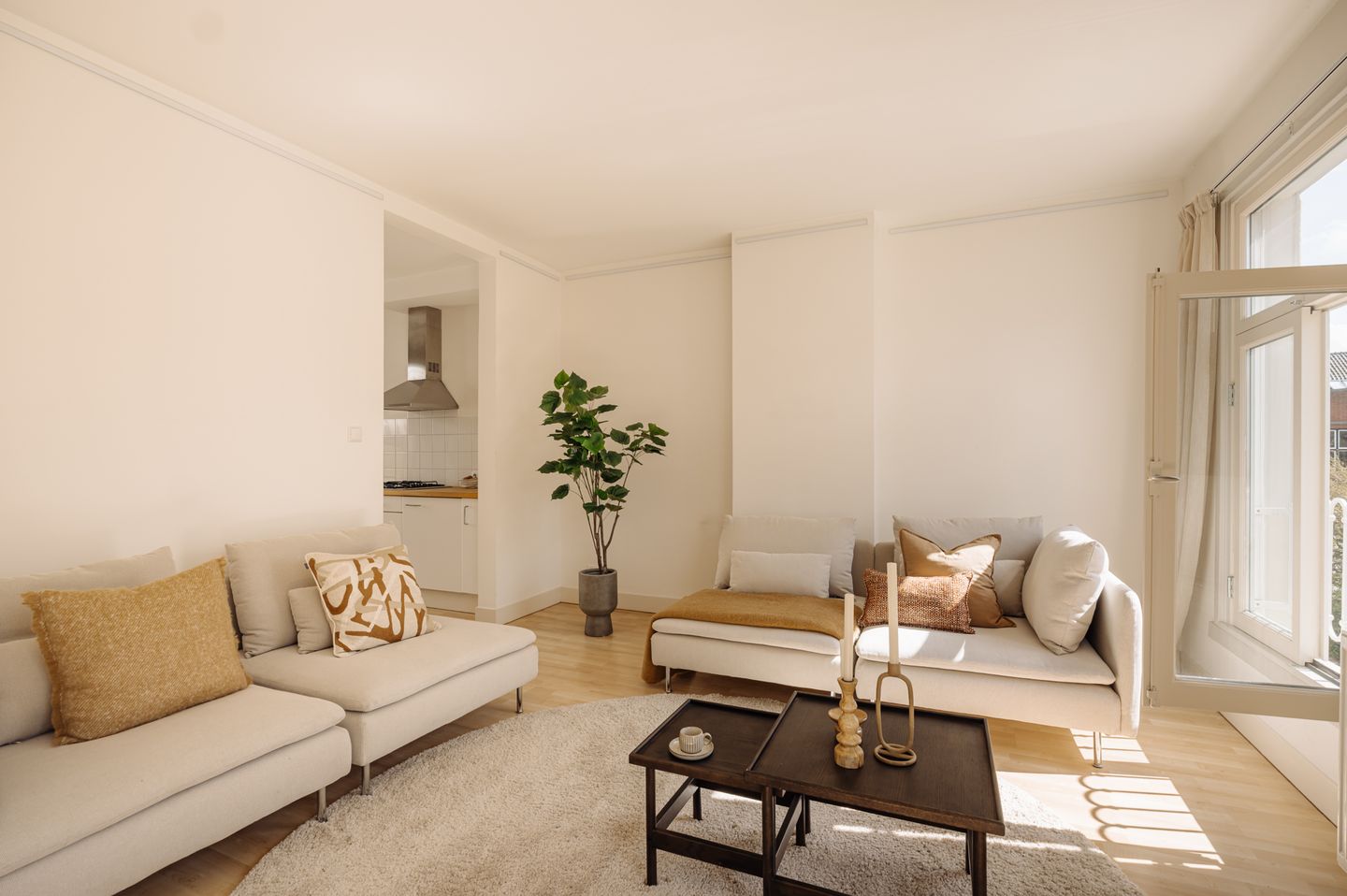
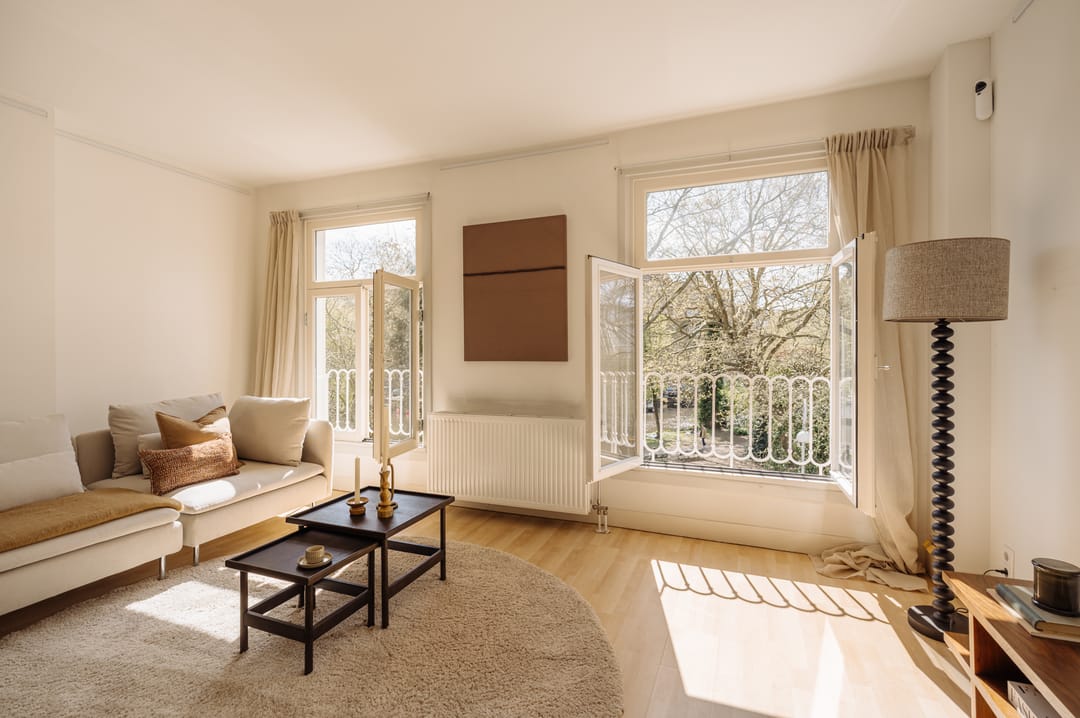
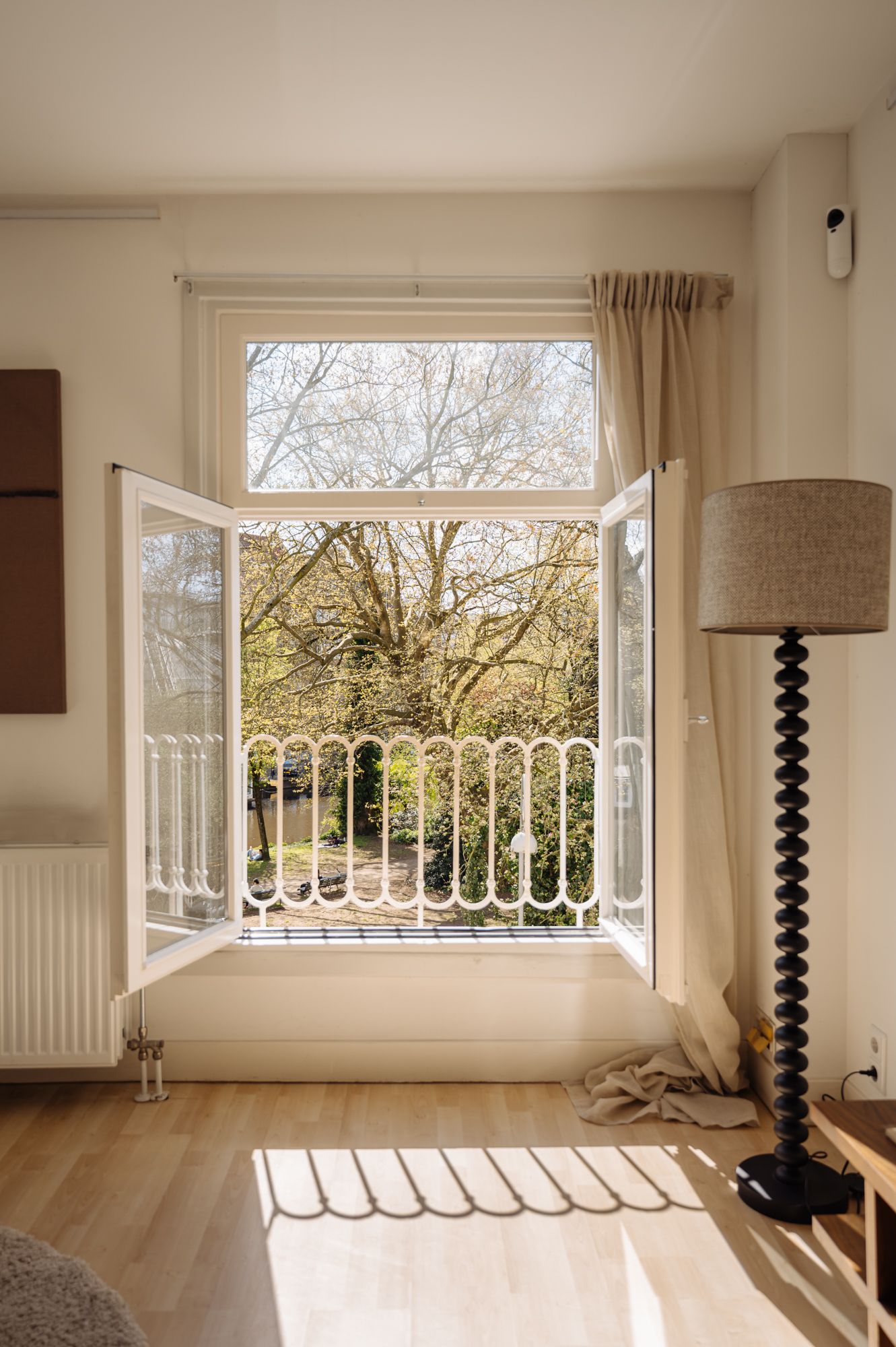
Moving up to the first floor, the living room is positioned at the front of the house and features an impressive ceiling height of approximately 3.60 metres. Two tall French windows provide views over the J.W. van Overloopplantsoen and the water of the Nieuwe Keizersgracht. The wrought-iron balcony railings are visible from inside, adding to the character of the space. At the rear of this floor, floor-to-ceiling bookcases and a brick chimney breast create a distinctive atmosphere. A second bathroom is also located on this level.
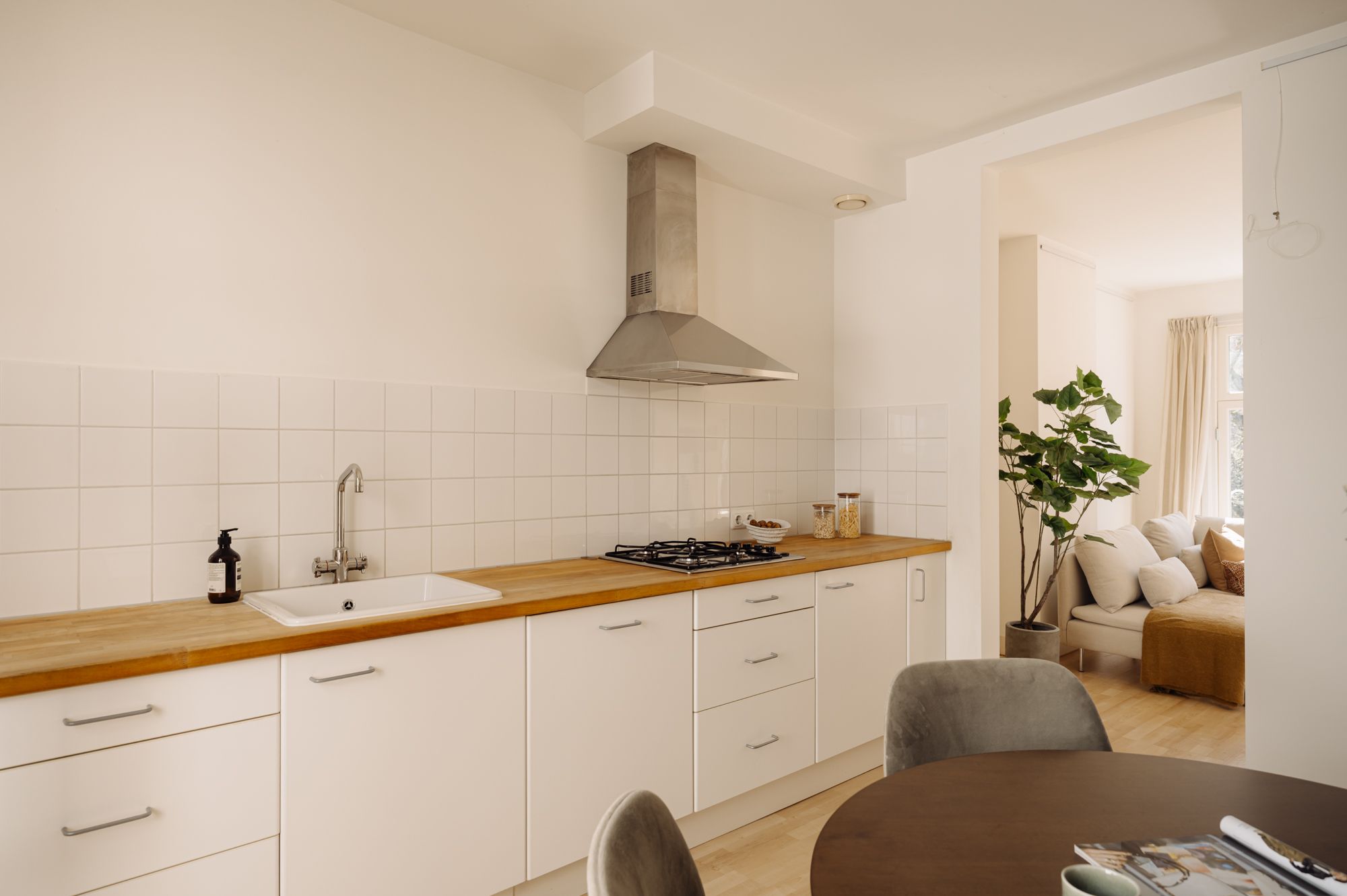
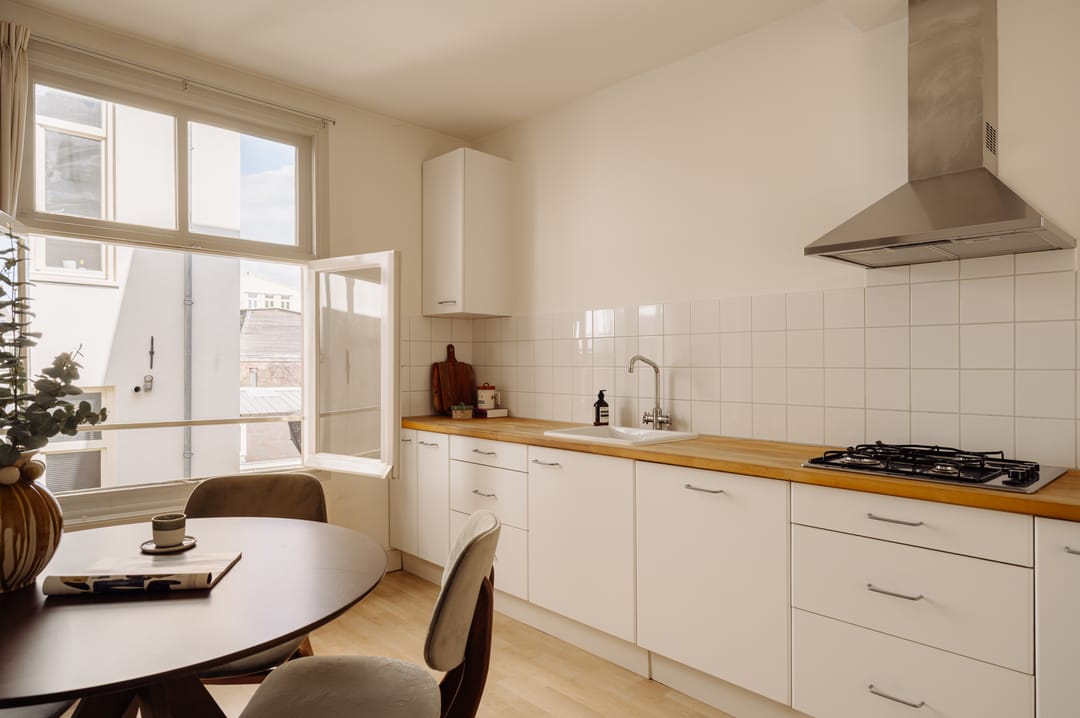
The second floor combines living and cooking functions. The kitchen is fitted with white cabinetry, a wooden worktop, and a tiled backsplash. At the front, glazed doors open to views of the planted square, while French windows at the rear allow natural light to enter. The flooring continues throughout the entire level, creating a sense of continuity.
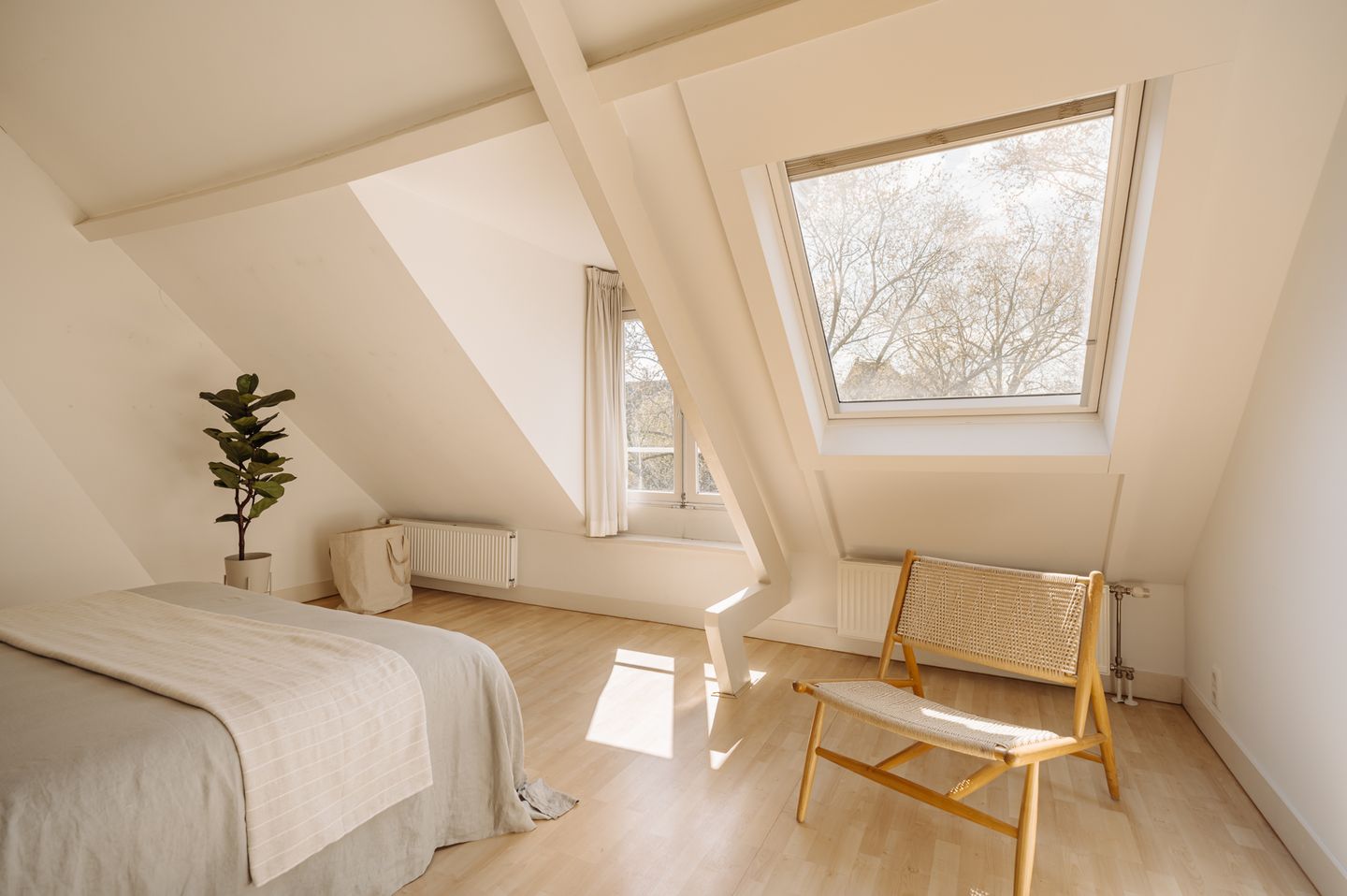
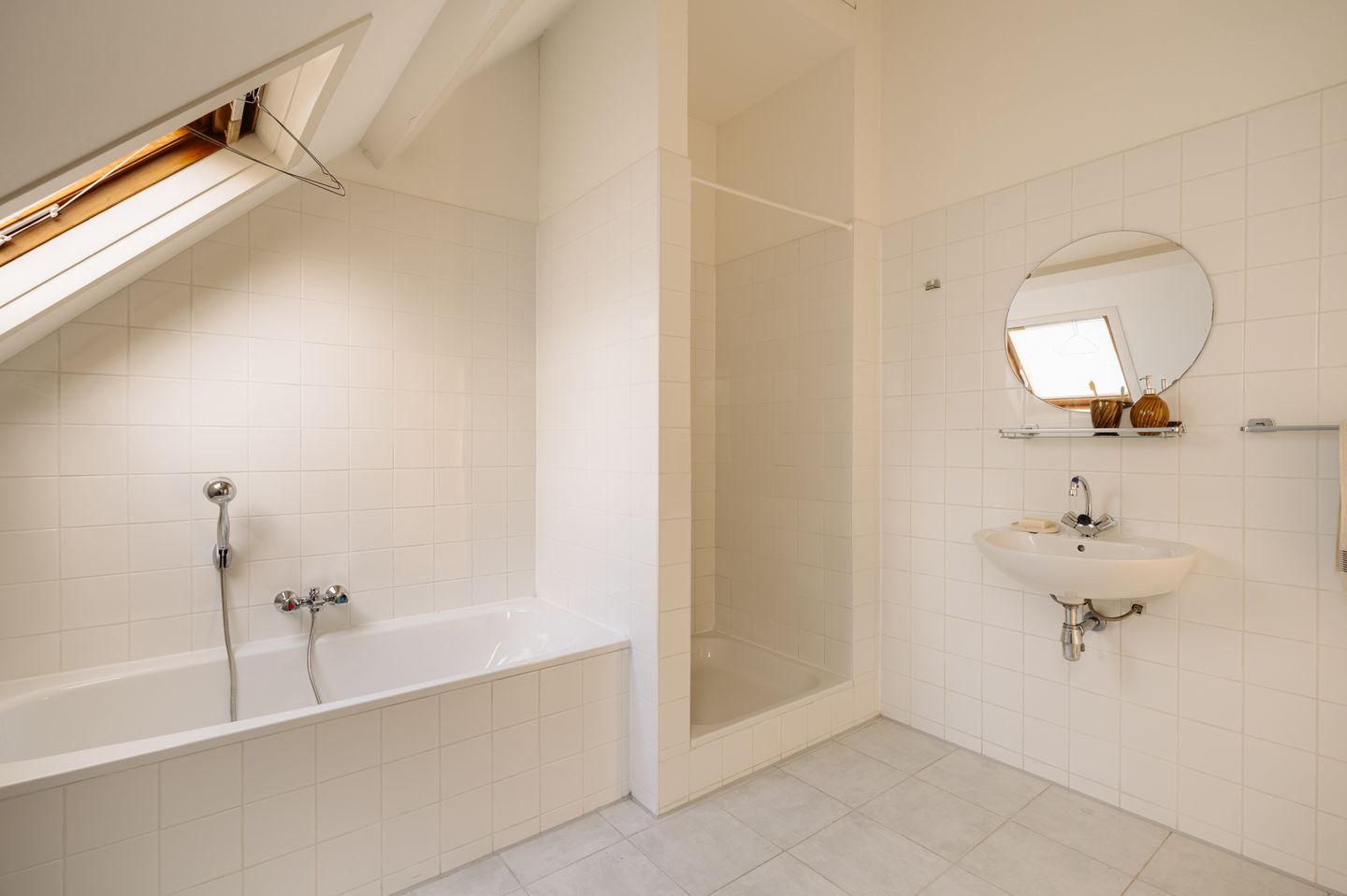
The third floor serves as the main bedroom area, featuring a ridge height of approximately 4.17 metres. A dormer window and skylight bring light from two sides and offer views of the surrounding greenery. The principal bathroom on this floor is equipped with a bath, shower, and washbasin.
A notable architectural feature of the property is the staircase that runs through the entire house, positioned at the rear. This original wooden staircase features decorative balusters that add to the historical character of the home.
While the property does not have its own private outdoor space, it is situated directly opposite the J.W. van Overloopplantsoen. The front facade faces southwest, allowing afternoon and evening sun to fall onto the facade and pavement. The greenery, pond, and tranquillity of the planted square are literally on the doorstep, effectively serving as an extension of the living space.
The Plantage neighbourhood offers excellent connectivity to the rest of Amsterdam. The Plantage Parklaan tram stop is approximately a three-minute walk away, with tram 14 providing direct services to Central Station and the city centre. Waterlooplein metro station can be reached in around eight minutes on foot, offering access to metro lines 51, 53, and 54 to destinations including Central Station and Amsterdam Zuid. By bicycle, the city centre is accessible in five to ten minutes, while Amsterdam Central Station is approximately a fifteen-minute bike ride away.
Car access is available via Sarphatistraat and Weesperstraat. The neighbourhood falls within a paid parking zone, with street parking costing approximately 6.50 euros per hour, seven days a week. The estimated waiting time for a residential parking permit is currently around eight months. Electric vehicle owners may qualify for priority through the environmental parking permit system, subject to applicable conditions. The Oostpoort car park on Linnaeusstraat, about a ten-minute walk away, offers an alternative for longer-term parking needs.
Technical details include partial foundation restoration carried out in 2006, an energy label E rating, and partial double glazing. Heating and hot water are provided by a gas-fired combi boiler installed in 2024, which is owned rather than rented. The property also features an alarm installation, skylights, and natural ventilation.
The property is situated on freehold land, meaning there is no ground lease to consider. The purchase agreement will include a covenant relating to the preservation and maintenance of the Adriaan Morriën plaque on the facade. The sellers have not occupied the house themselves in recent years.
With three bedrooms, three bathrooms, and four living levels, this townhouse offers flexible accommodation in one of Amsterdam's most characterful neighbourhoods. The combination of historical significance, architectural features, and proximity to both green spaces and urban amenities makes this a distinctive property in the Amsterdam housing market.