Unique Building Plot in Landgoed De Utrecht Estate
Key Features
Description
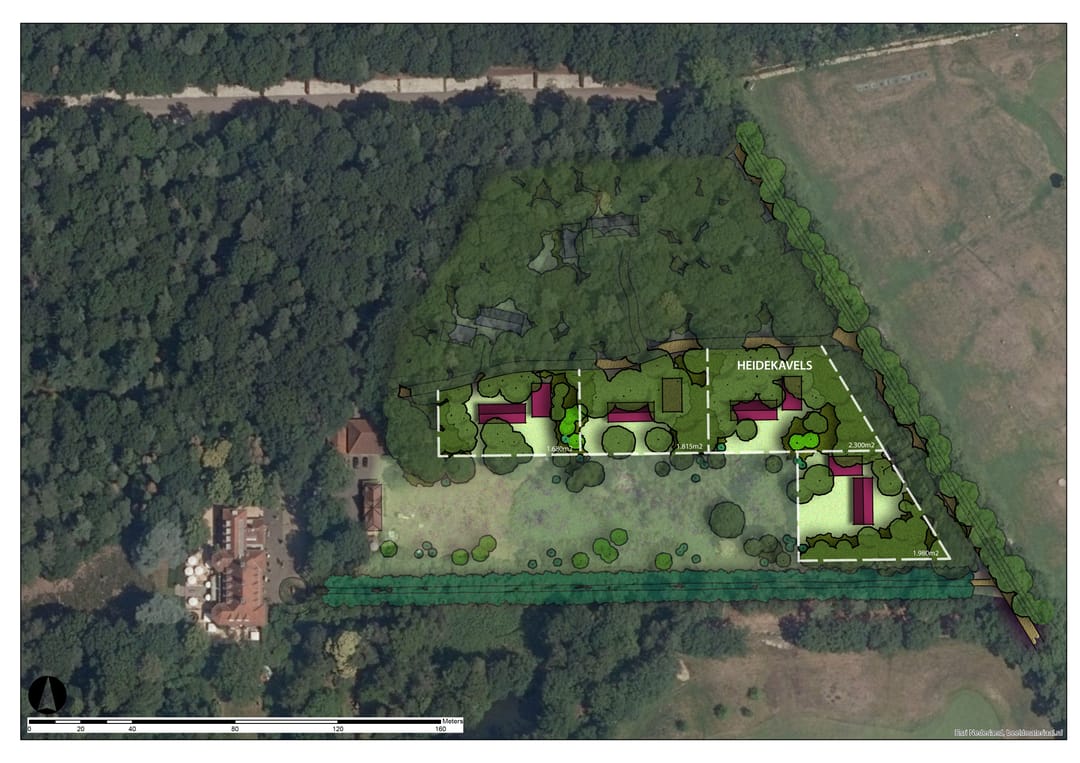
This offering concerns plot number 3, designated as a Heidekavel, located within the Parc de Utrecht development on the grounds of Landgoed De Utrecht in Esbeek. The plot covers an area of 1,815 square meters and is offered at a price of 329,000 euros vrij op naam.
The plot is subject to erfpacht, which is a form of ground lease common in the Netherlands. The current erfpacht period ends on 10 February 2061. The annual ground lease payment for this specific plot amounts to 7,921 euros per year. Prospective buyers should take this recurring cost into careful consideration when evaluating the total investment.
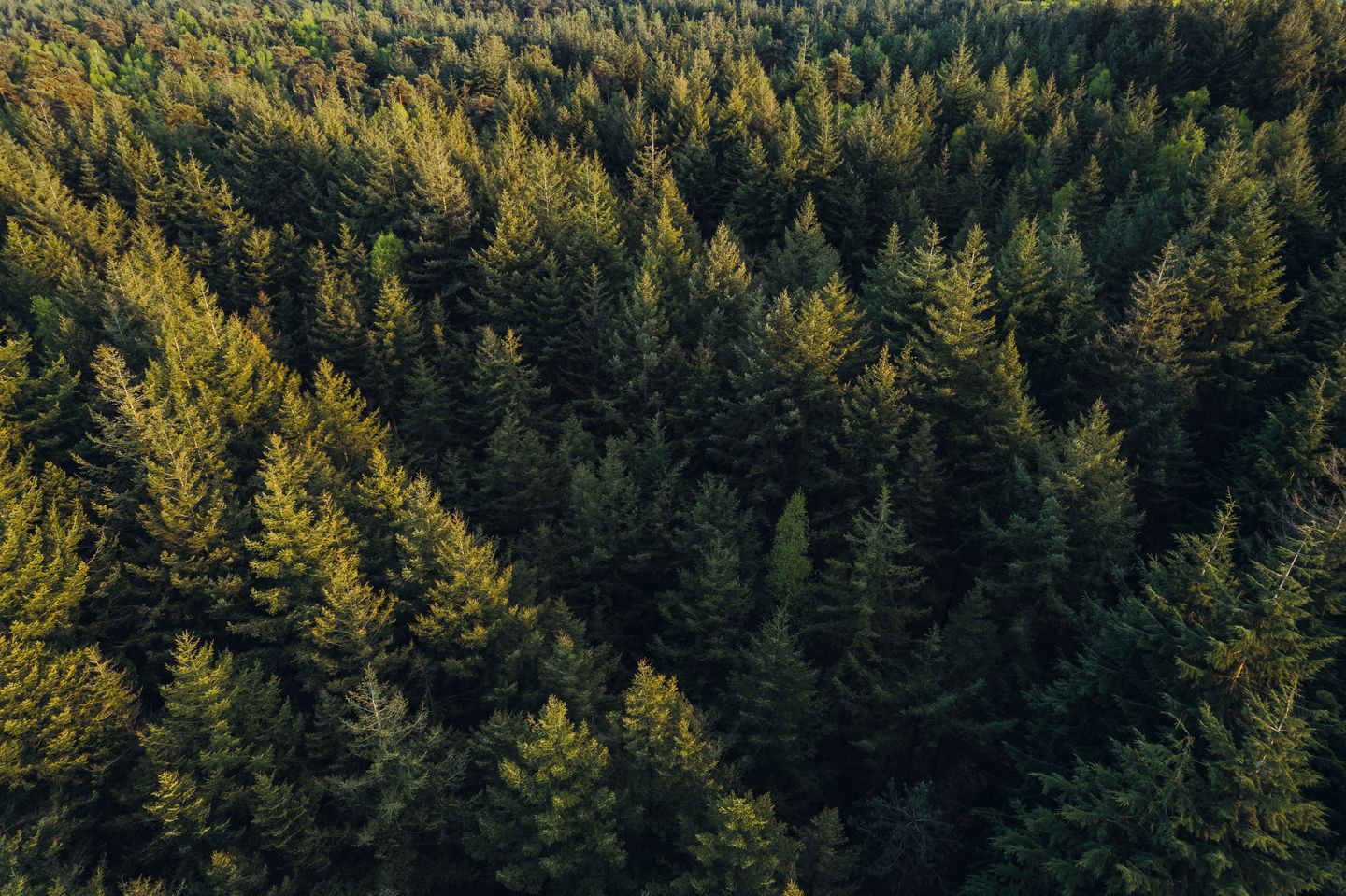
Landgoed De Utrecht is an extensive estate covering more than 2,500 hectares, situated south of the village of Esbeek near the Belgian border in the province of North Brabant. The estate features a diverse landscape with a rich collection of plant and tree species, and serves as habitat for numerous special animal species. The terrain consists of various landscape types including wooded areas, agricultural lands, and heathlands.
The estate has a long and interesting history dating back to the end of the nineteenth century. Around 1850, the area primarily consisted of extensive heath fields that had formed after forest degradation due to logging and overgrazing. Insurance company De Utrecht, which later became a.s.r., purchased the terrain at the end of the nineteenth century and commissioned the Nederlandse Heidemaatschappij to cultivate the heath grounds. The goal was to create agricultural land and production forests. Over time, more land was acquired, including medieval settlements and cultivated lands near Tulder, Hertgang, and Dun, eventually expanding the estate to approximately 2,650 hectares, making it the largest of all Brabant estates.
From the beginning, visitors were welcome on Landgoed De Utrecht. The insurance company wanted to share its proud possession with nature lovers. In the early years, cycling paths were laid out, the manager issued camping permits, and in 1920 the management of De Utrecht had Huize Rustoord built as a holiday accommodation for its employees. The building, now a hotel and restaurant, was designed in the traditionalist style typical of that period.
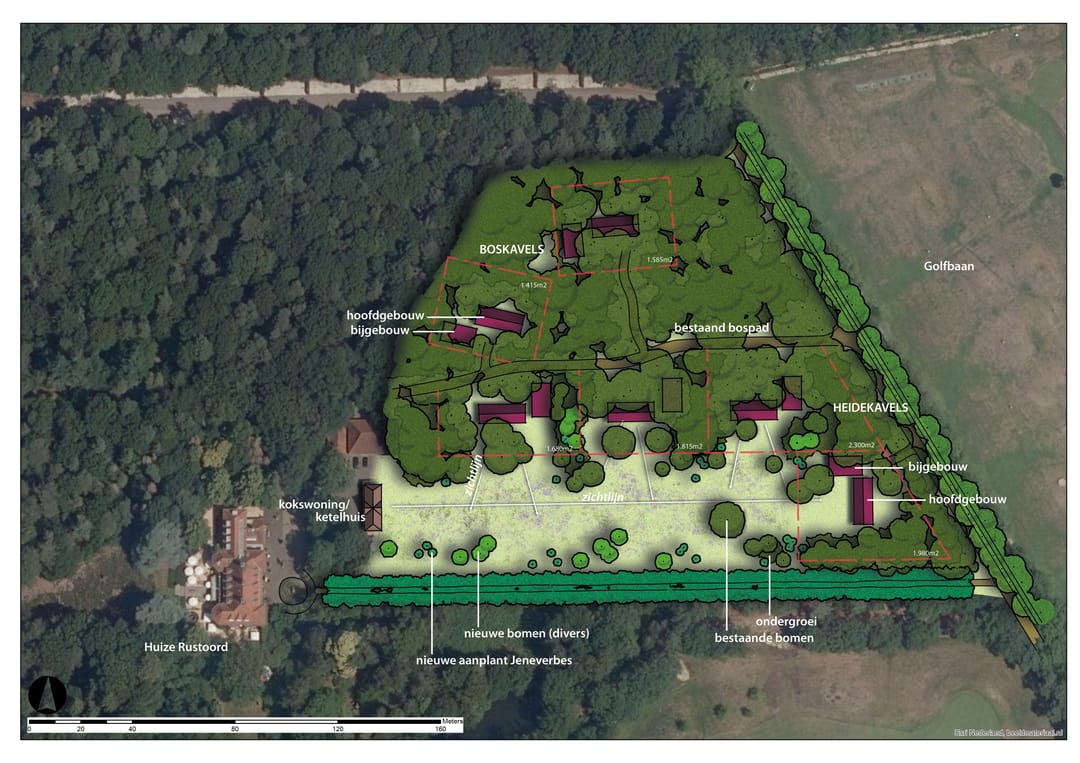
Currently, the estate accommodates approximately fifty monumental residences, farms, a golf course, the hotel and restaurant Huize Rustoord, and the inn In den Bockenreyder. Now, residential building plots are being added to this mix. Behind the monumental Huize Rustoord, six spacious plots are being made available: two Boskavels (forest plots) and four Heidekavels (heather plots).
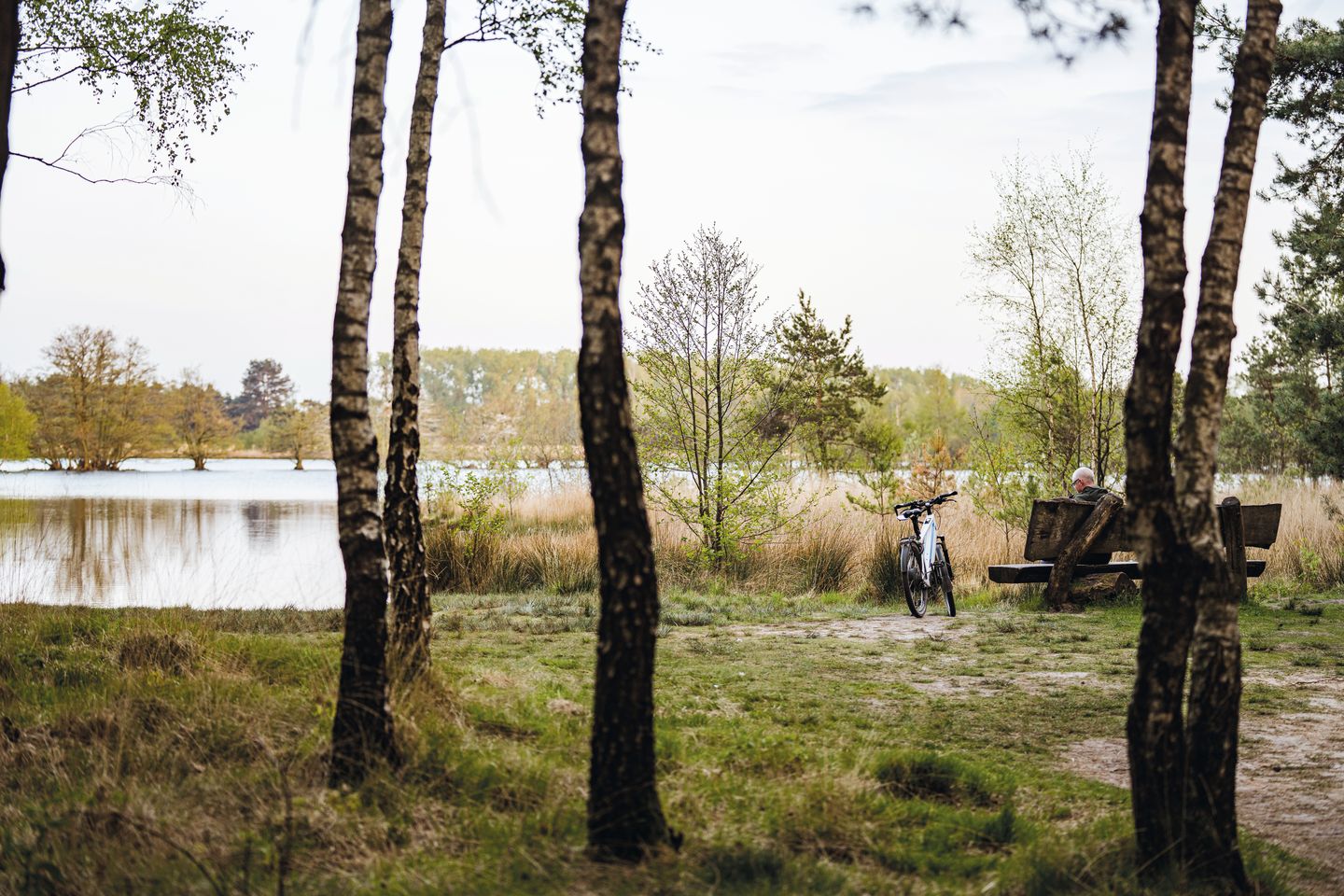
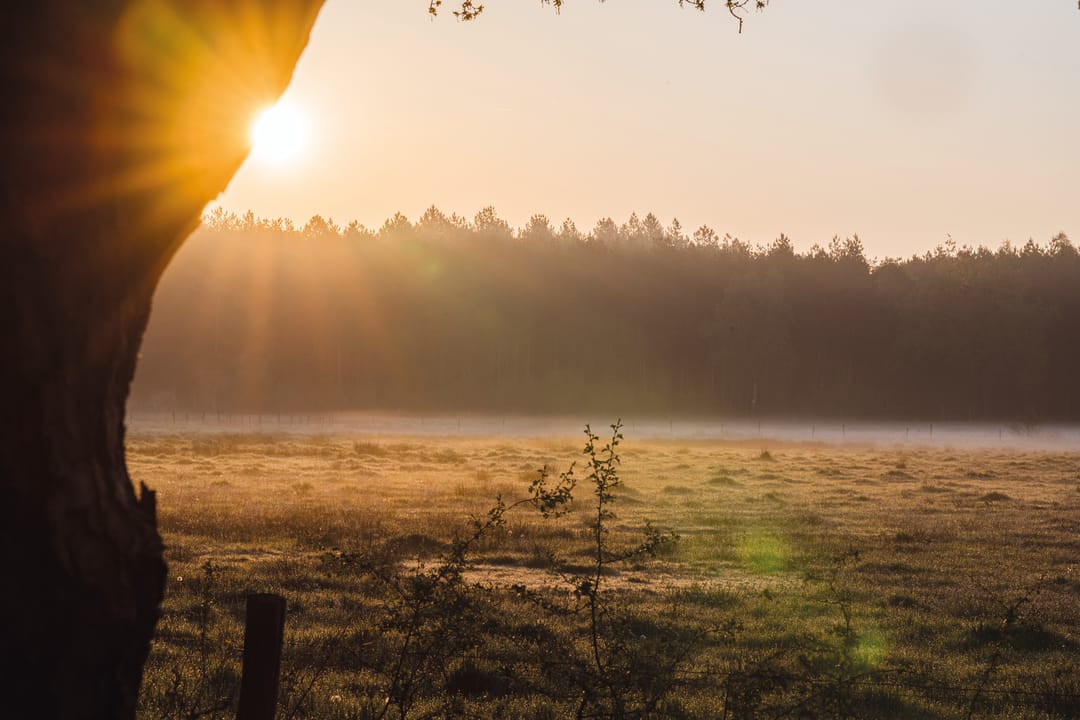
The six plots are located deep within the dense nature of Landgoed De Utrecht. Living here means being surrounded by rich hedges, deep fens, and mature trees. The plots vary in size from approximately 1,500 to 2,500 square meters and offer beautiful views over the estate.
The two Boskavels are situated on the north side of the area, positioned among a collection of dense trees. A forest path separates the Boskavels from the four Heidekavels. The Heidekavels are located along a heather area to be created, adjacent to juniper shrubs, an iconic rhododendron hedge, and various trees. Plot number 3 is one of these Heidekavels, offering an extremely spacious setting with maximum privacy and views of the surrounding nature.
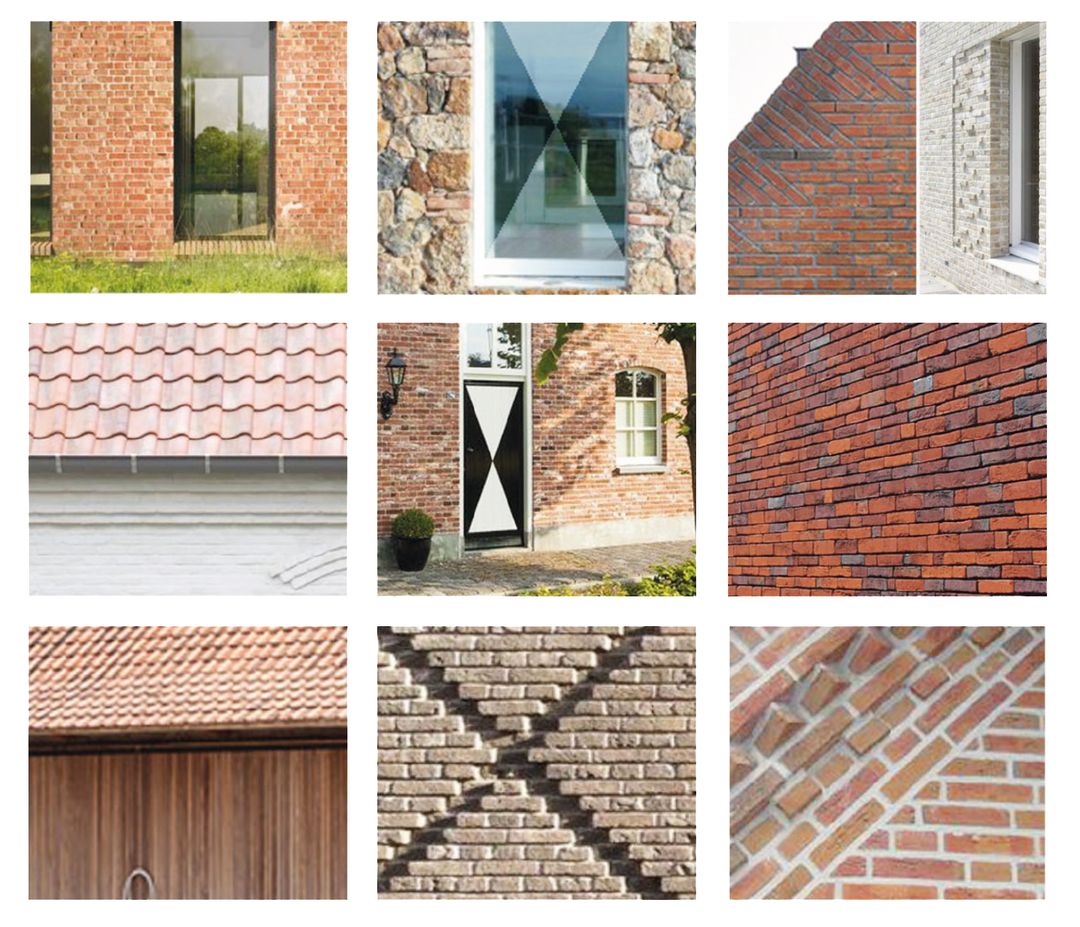
On these spacious plots, buyers can have their dream home built. To ensure that the designed homes fit within the cultural and historical environment of the estate, a kavelpaspoort (plot passport) has been created. This document specifies the requirements that the residence and garden layout must meet. The kavelpaspoort is available as an appendix to the listing documentation. The new homes on these six plots will be modern interpretations of the existing buildings on the estate, maintaining cohesion while respecting the cultural history.
The gardens of the plots are directly part of the surrounding nature. Residents should be able to enjoy this while allowing the flora and fauna of De Utrecht to go about their business. To achieve this, natural elements are guaranteed, such as plot boundaries in the form of branches, plantings, and tree stumps rather than conventional fences.
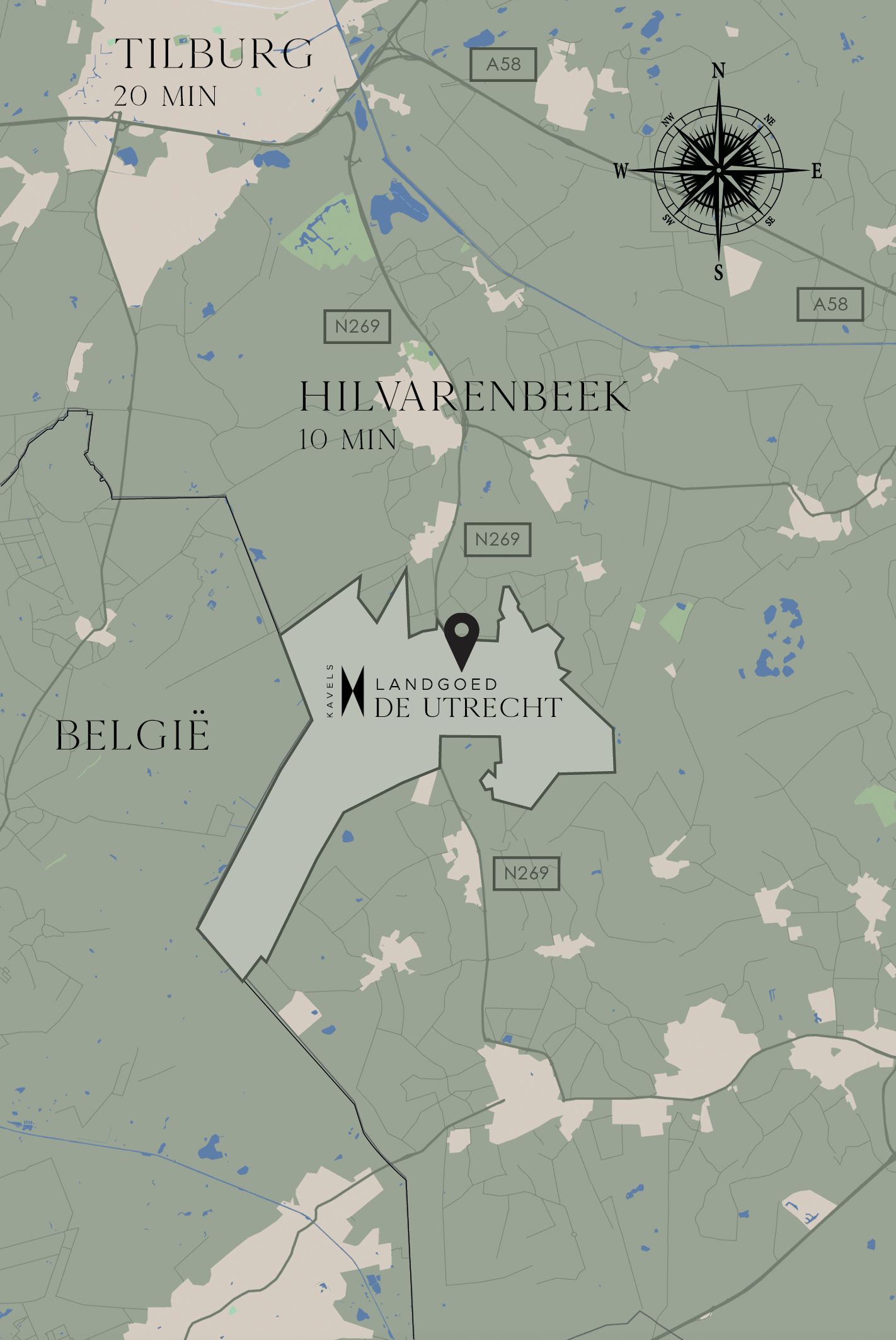
The location offers both deep natural seclusion and good accessibility to urban amenities. Via the N269 road, Hilvarenbeek can be reached within about 10 minutes. The larger Brabant cities are never far away: Tilburg is approximately 20 minutes away by car, and Eindhoven is slightly more than 30 minutes away. The nearby Belgian border also offers opportunities for day trips.
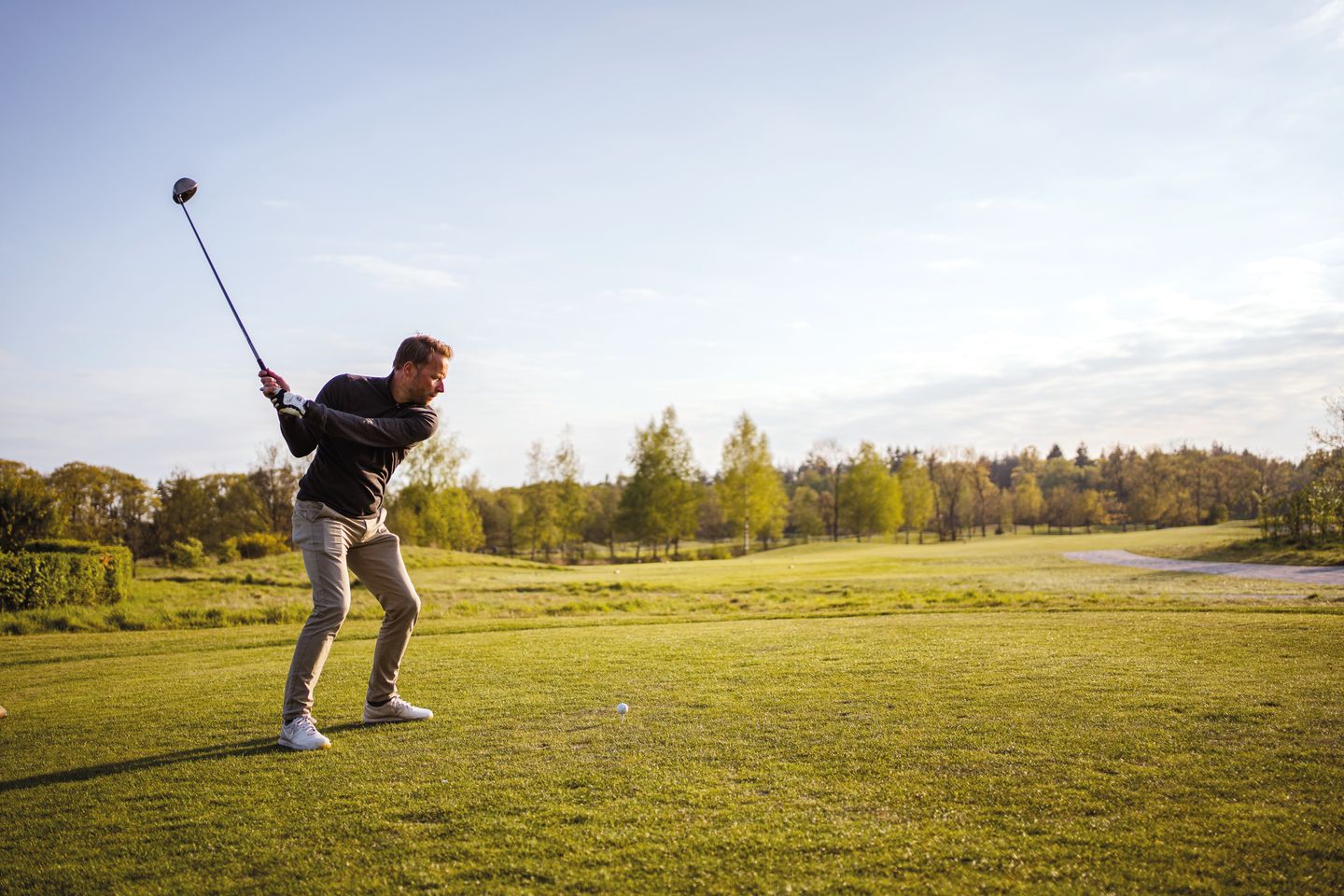
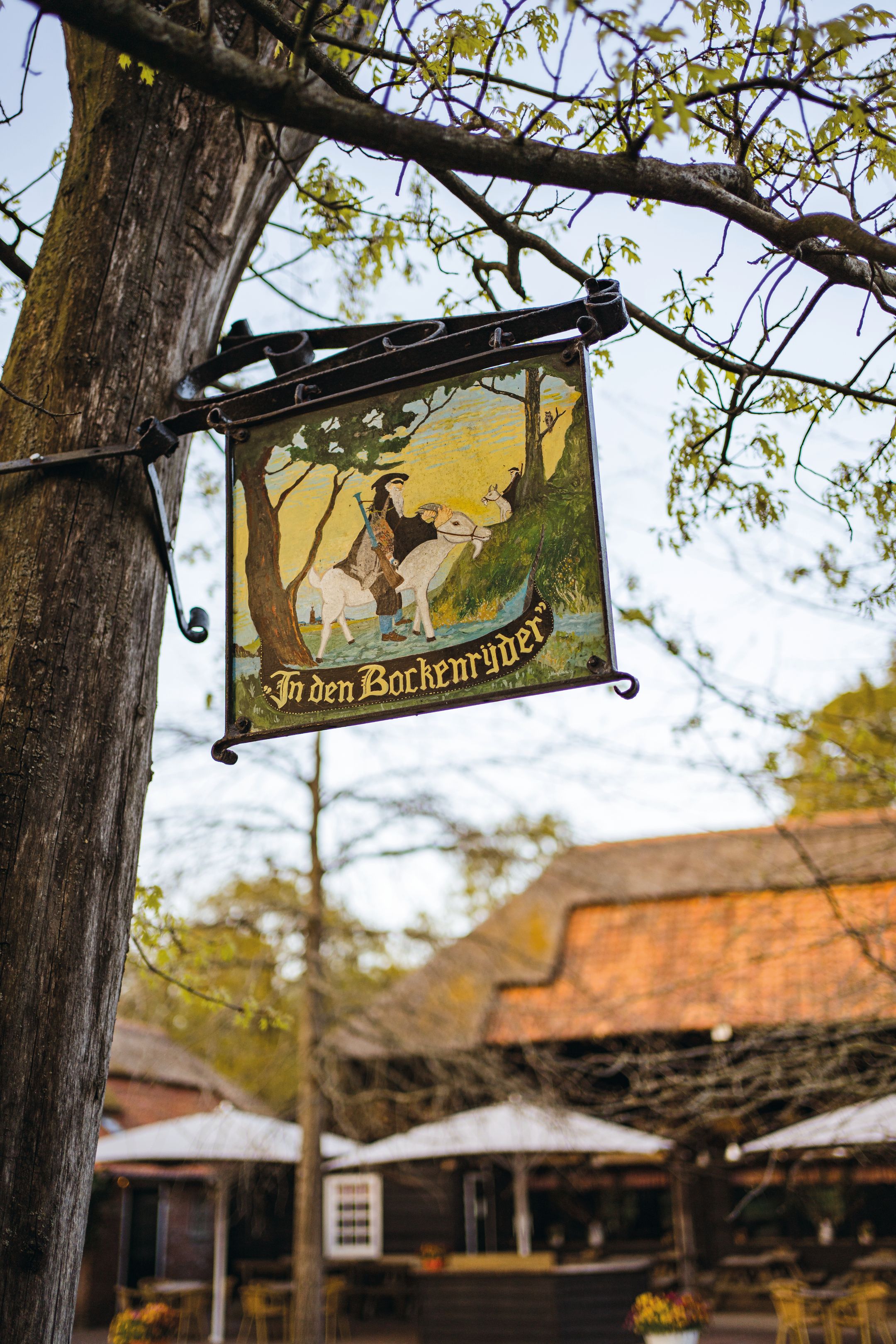
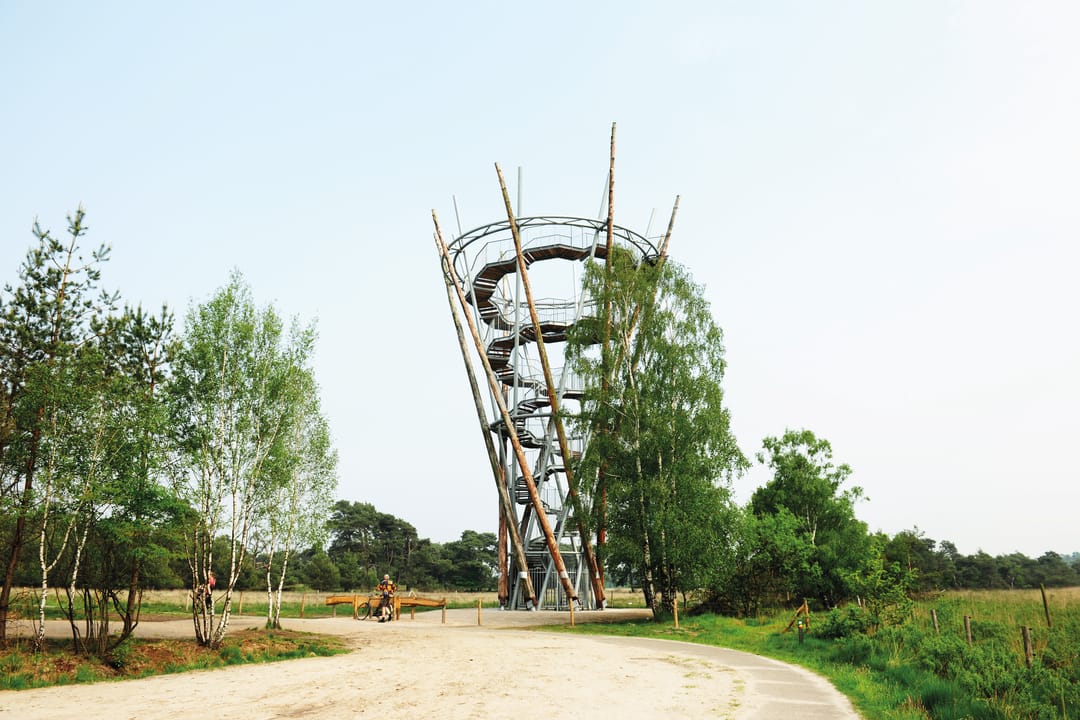
Recreational options in the immediate vicinity include Golfclub Midden-Brabant, located literally next to the future residential area, featuring a typical Brabant coulisse landscape. Restaurant Huize Rustoord offers dining with hospitality, art, and service combined. The Flaestoren, a lookout tower at the Flaesven made from eight trees from the estate, has a balcony at 22 meters height offering views over the inaccessible part of the nature reserve De Flaes, the Goorven, and the surrounding forests. Herberg In den Bockenreyder, not far from the Flaestoren, has a large terrace popular with walkers, cyclists, and riders, and in winter offers warmth by a crackling fire.
Insurance company a.s.r. has been investing in agricultural land and estates for almost 120 years. The steward manages the estate and its various interests, including nature, agriculture, forestry, residential living, and recreation. According to the steward, tenants play an important role on Landgoed De Utrecht, often having been on the estate for generations and knowing the area extremely well.
The plot is located outside the built-up area, in a wooded environment, at the edge of the forest, on a quiet road, in a sheltered position, and with an unobstructed view. The plot is building-ready (bouwrijp), meaning it is prepared for construction to begin.
This plot represents an opportunity to build a custom home in a protected natural estate setting with strict architectural guidelines ensuring the character of the estate is maintained for future generations.