Charming 1930s Terraced House with Renovation Potential and Meadow Views in Voorschoten
Key Features
Description
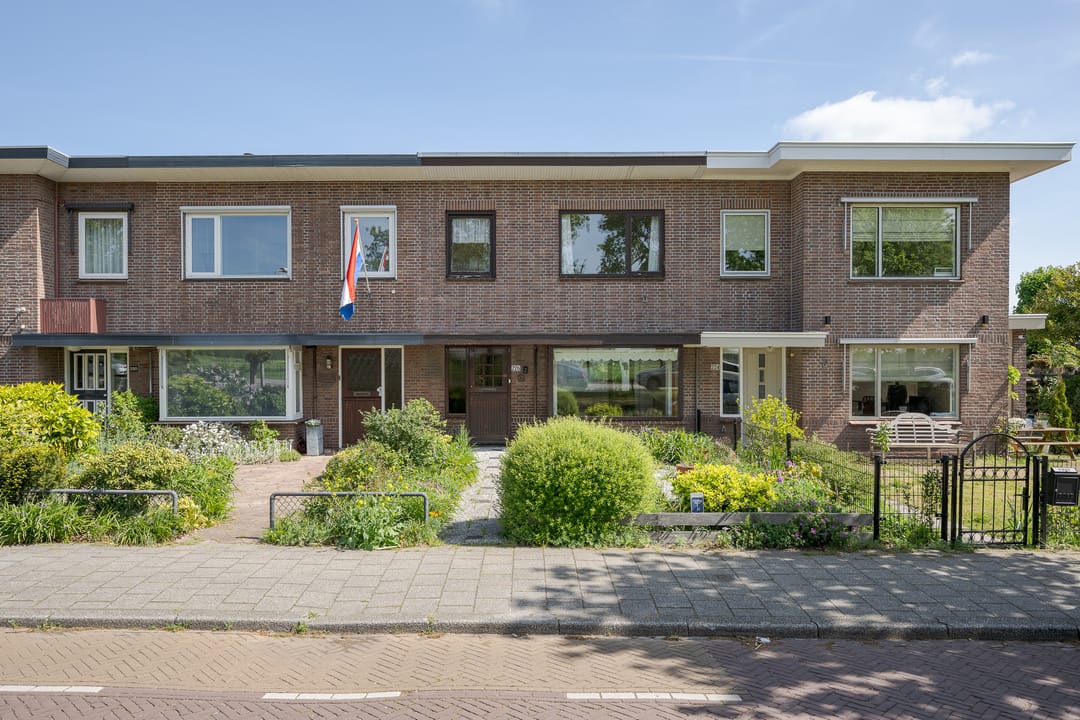
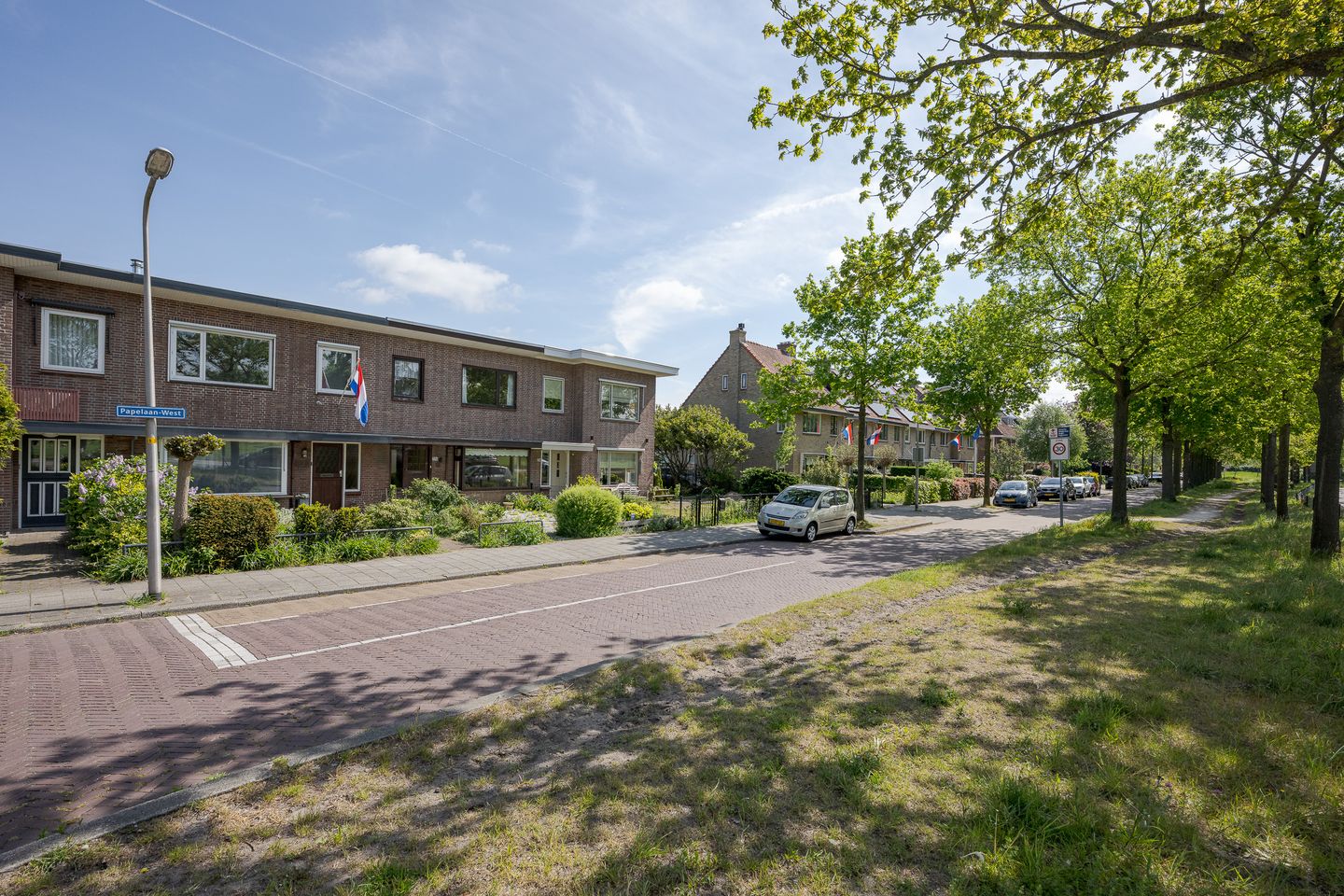
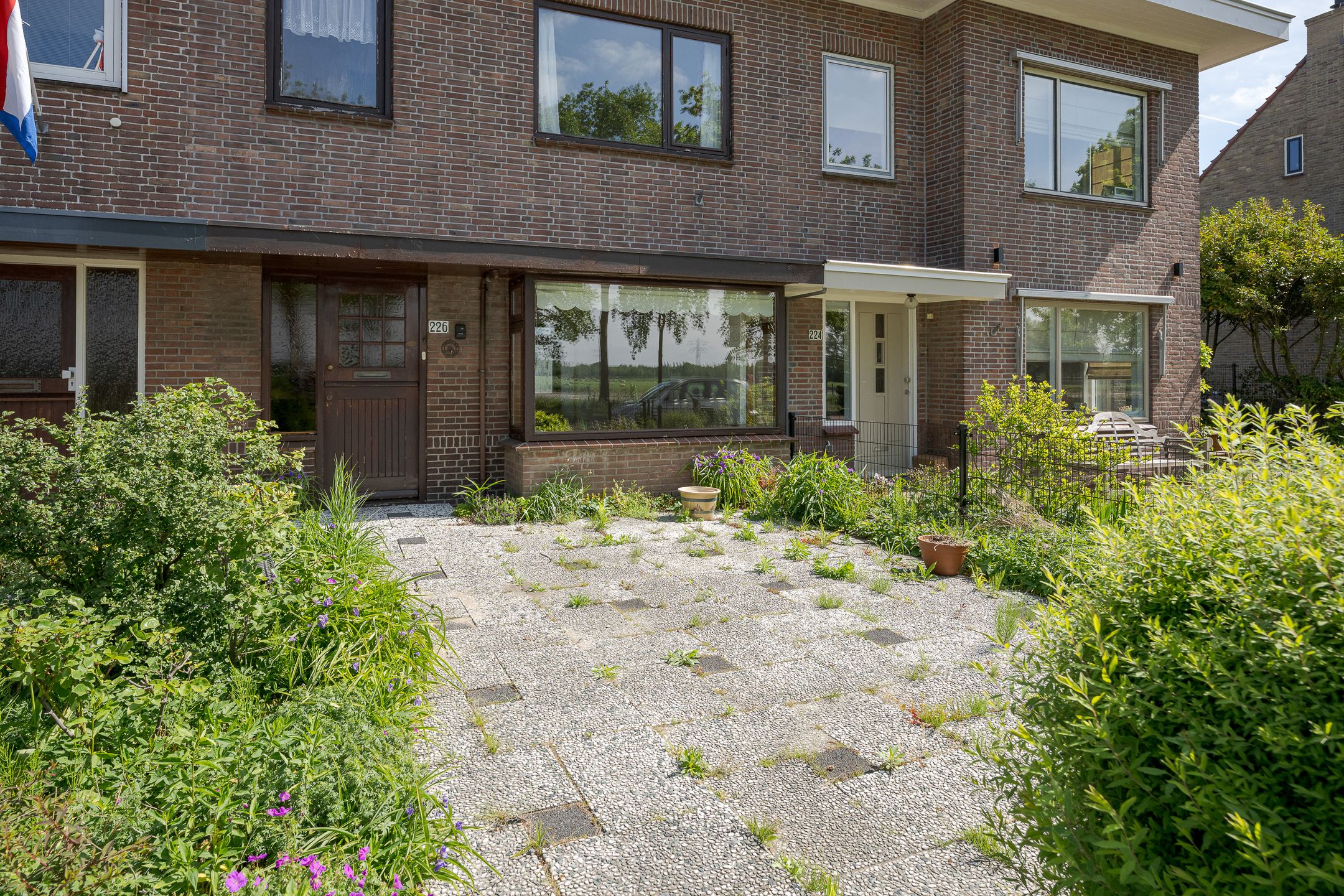
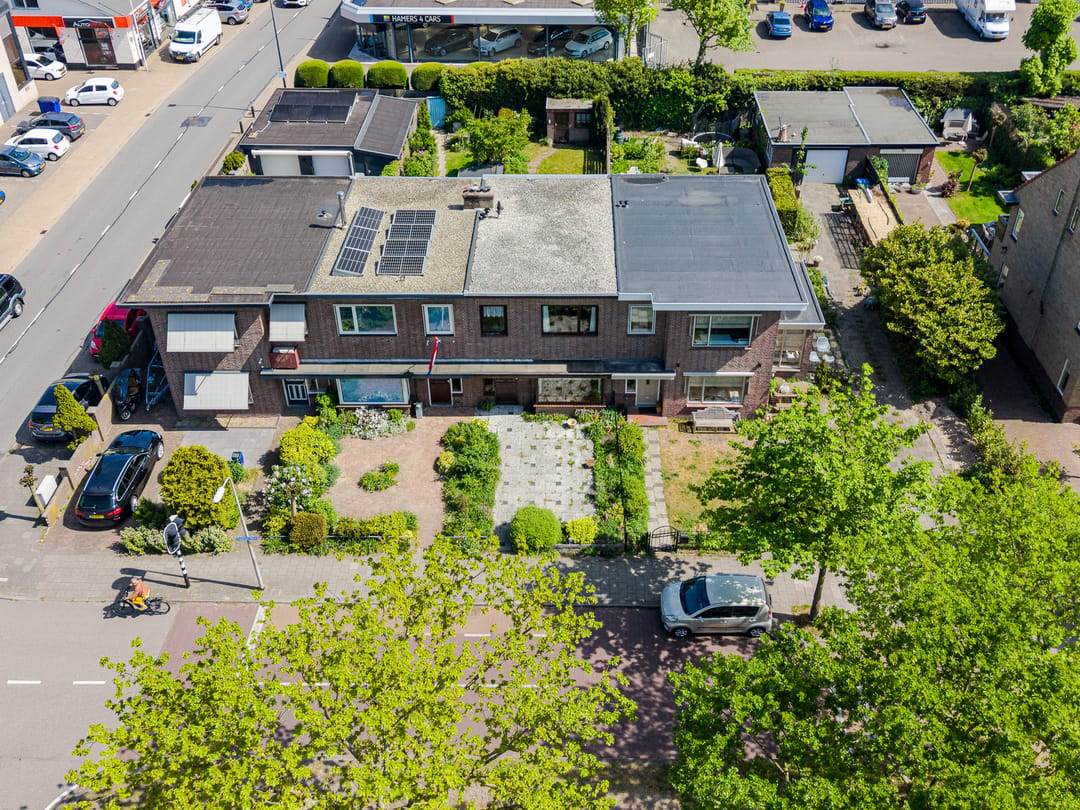
Located in the Dobbewijk neighborhood of Voorschoten, this distinctive 1930s terraced house offers a compelling opportunity for buyers looking to create their ideal home through renovation and personalization. Situated at Papelaan-West 226, the property combines period character with significant potential for modernization and expansion, all in a highly convenient location.
The property features a total living area of 106 square meters on a generous plot of 221 square meters. With three bedrooms, a bathroom, and a notably deep backyard measuring approximately 105 square meters, this home provides a solid foundation for comfortable family living. The asking price is €475,000, with the buyer responsible for additional closing costs (kosten koper).
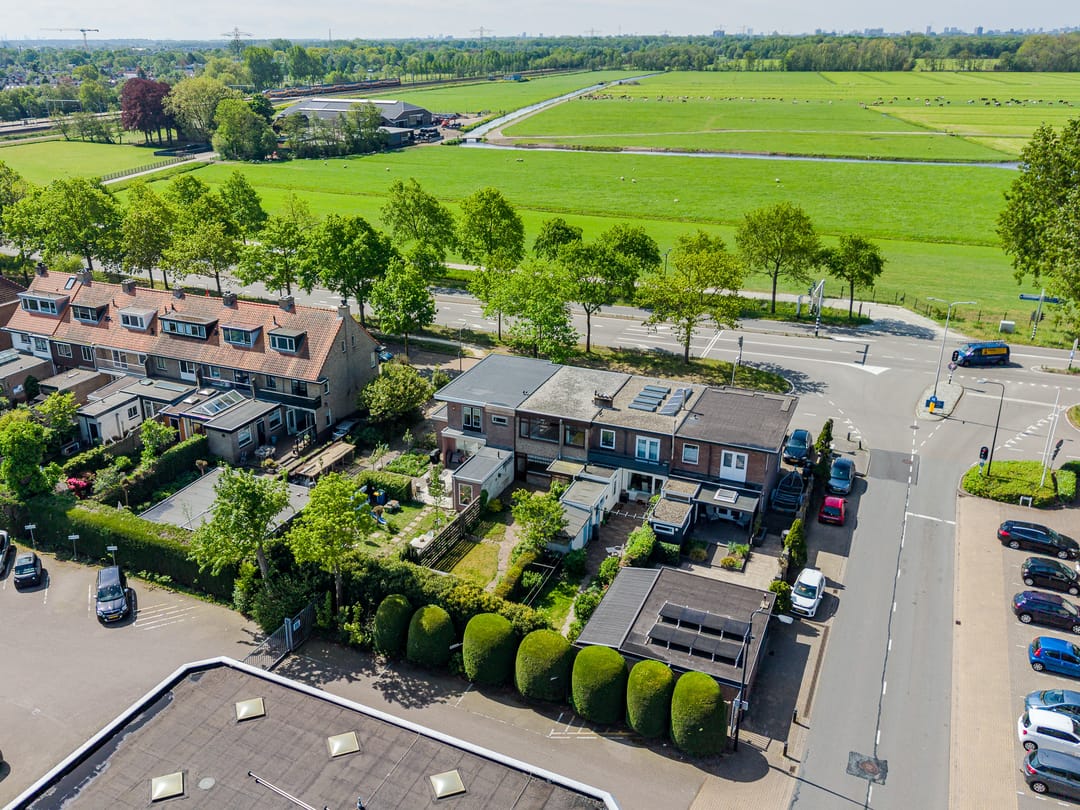
Voorschoten is a sought-after municipality in the province of South Holland, known for its pleasant residential atmosphere, excellent amenities, and strategic positioning between the cities of Leiden and The Hague. The Dobbewijk neighborhood where this property is located is a well-established residential area that offers a peaceful living environment while maintaining excellent connectivity to surrounding urban centers.
One of the most remarkable aspects of this property's location is its proximity to Voorschoten's central train station, which is situated approximately 100 meters from the house. This exceptional closeness makes commuting by public transportation incredibly convenient. The station provides regular services to Leiden, The Hague, and other destinations throughout the Randstad region. For those who travel by car, the property is favorably positioned along a main route toward Wassenaar and the A44 motorway, ensuring efficient access to the broader highway network.
The immediate surroundings offer a range of daily amenities including shops, schools, restaurants, and recreational facilities. The combination of residential tranquility and urban accessibility makes this location particularly appealing for a wide range of buyers, from young professionals to growing families.
The house dates from 1930, placing it firmly in the architectural period known for solid construction and distinctive styling. As a terraced house (tussenwoning), it shares walls with neighboring properties on both sides, which is typical for this era and neighborhood layout. The building features a flat roof covered with bituminous roofing material, consistent with construction methods of that period.
The current energy label is rated E, indicating that there is substantial room for improvement in terms of energy efficiency. The property does have some insulation measures in place, including roof insulation and a combination of double glazing and HR (high-efficiency) glass. Heating is provided through a combination of a central heating boiler and hot air heating, while hot water is supplied by the central heating boiler. The gas-fired combi boiler dates from 2017 and is the property of the homeowner.
The current condition of the property requires comprehensive modernization. This presents an excellent opportunity for buyers to completely customize the home according to their personal tastes and contemporary living standards. The renovation work needed is substantial but allows for creative freedom in redesigning the interior layout and updating all systems and finishes to current building codes and aesthetic preferences.
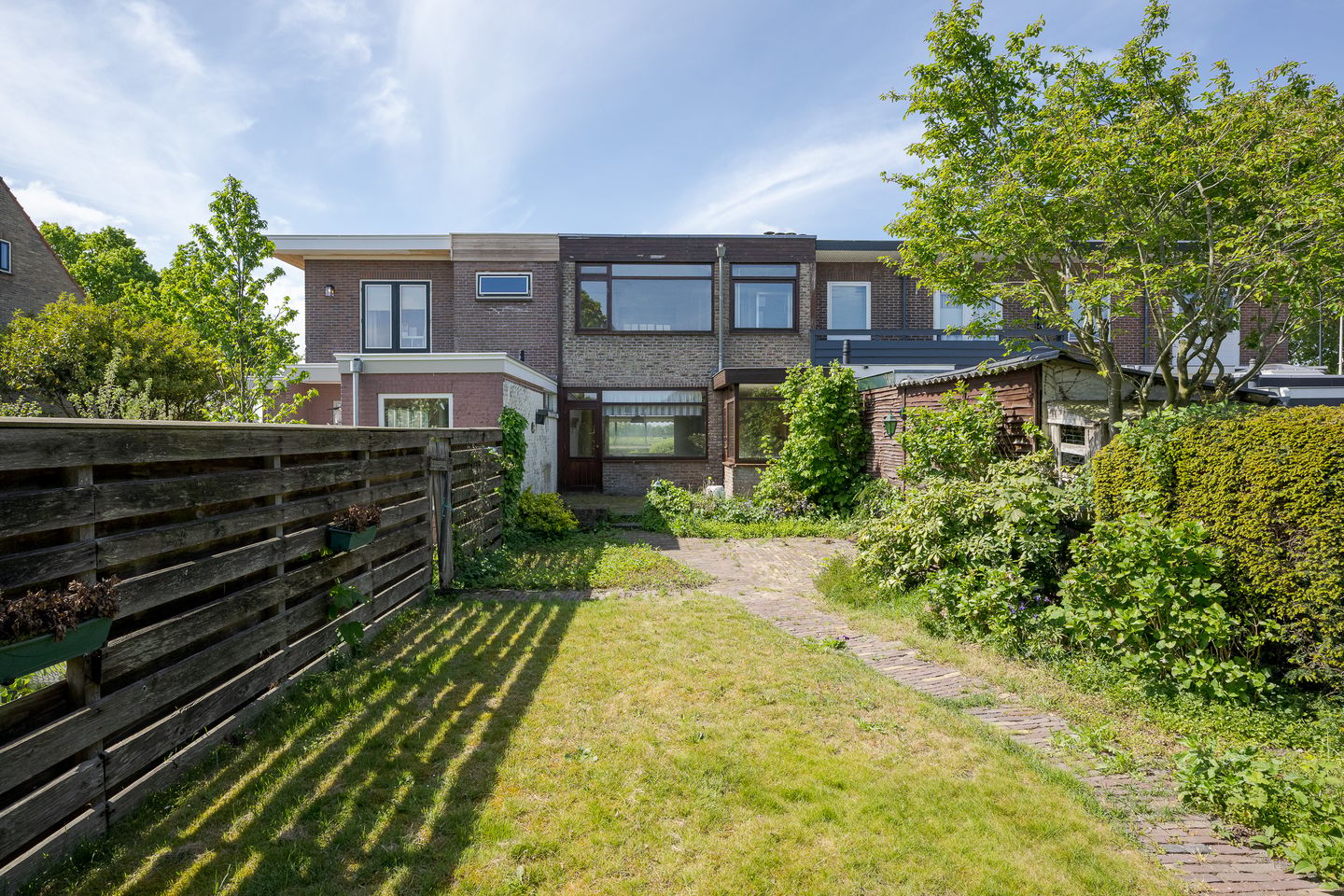
Potential expansion possibilities include adding an extension to the rear of the property and even creating an additional floor level. These possibilities would significantly increase the living space and could transform the property into a substantially larger home. However, it is important to note that any such modifications would be subject to obtaining the necessary municipal permits, and prospective buyers should conduct their own research into the feasibility and requirements for these alterations.
The interior layout follows a traditional arrangement typical of 1930s residential architecture in the Netherlands.
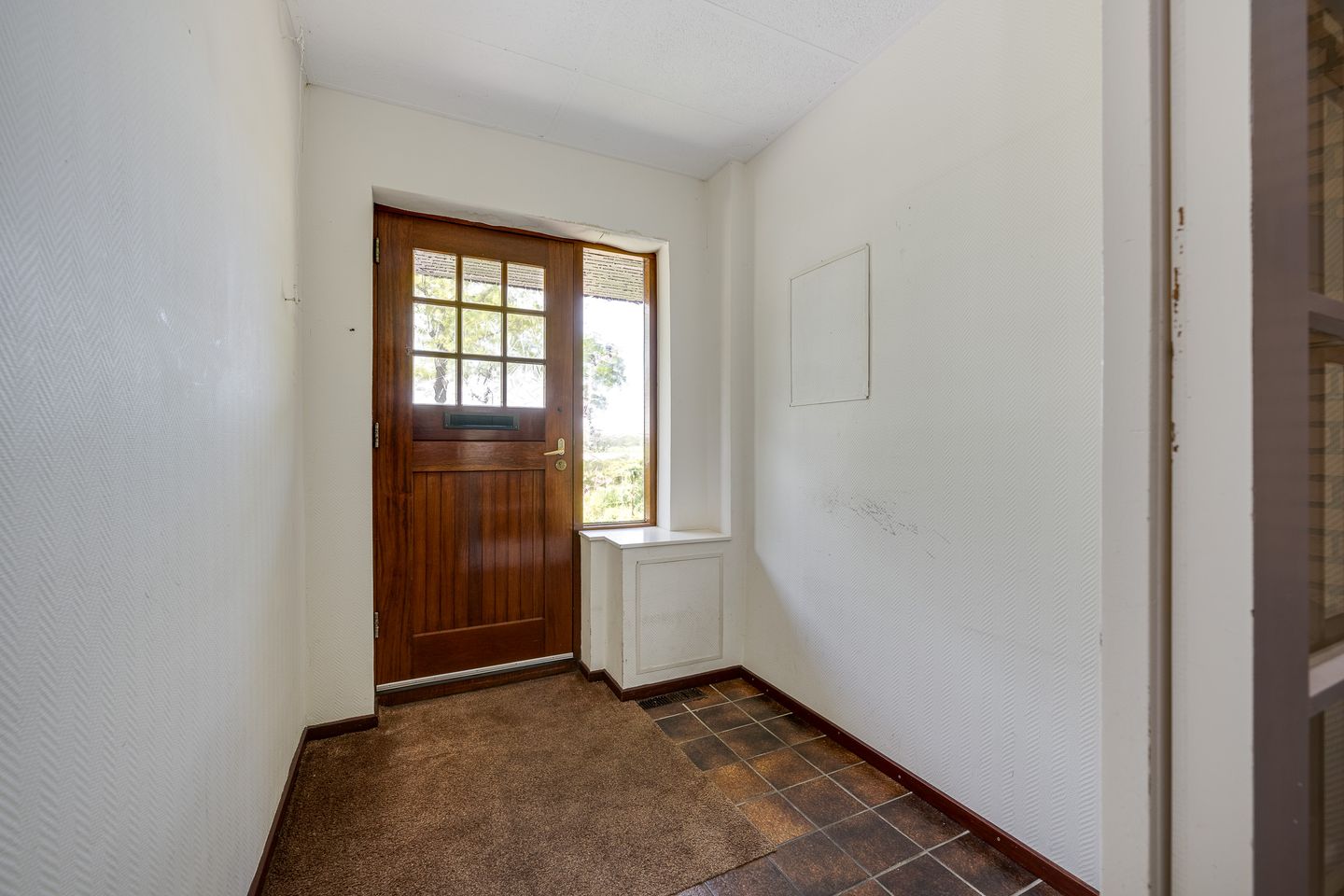
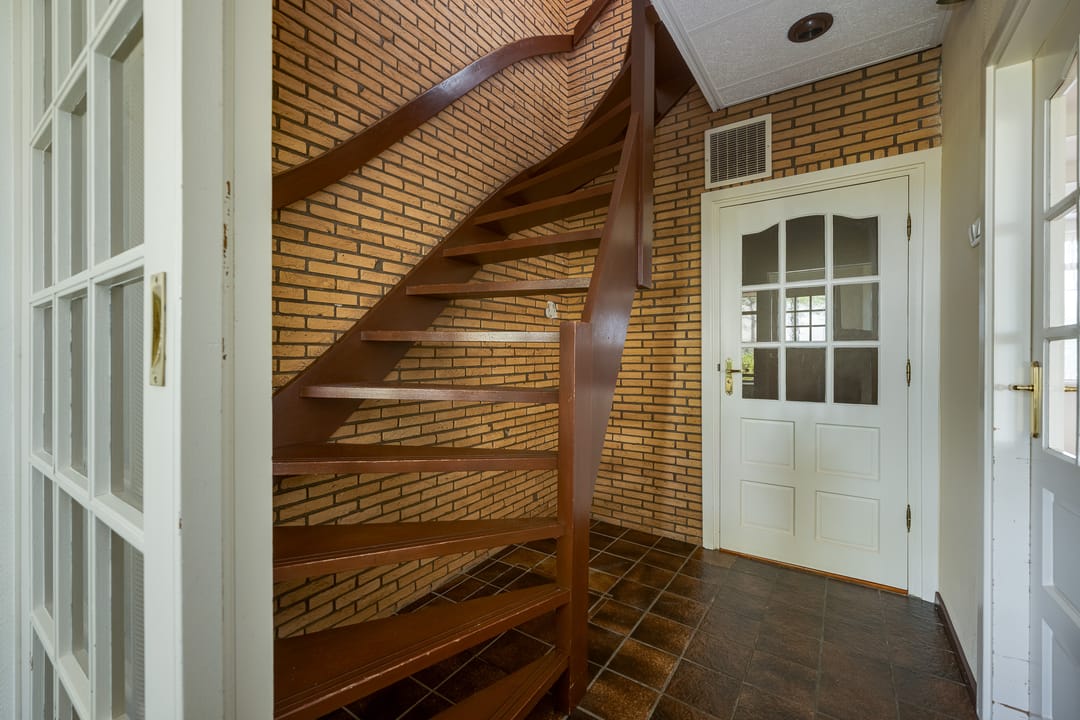
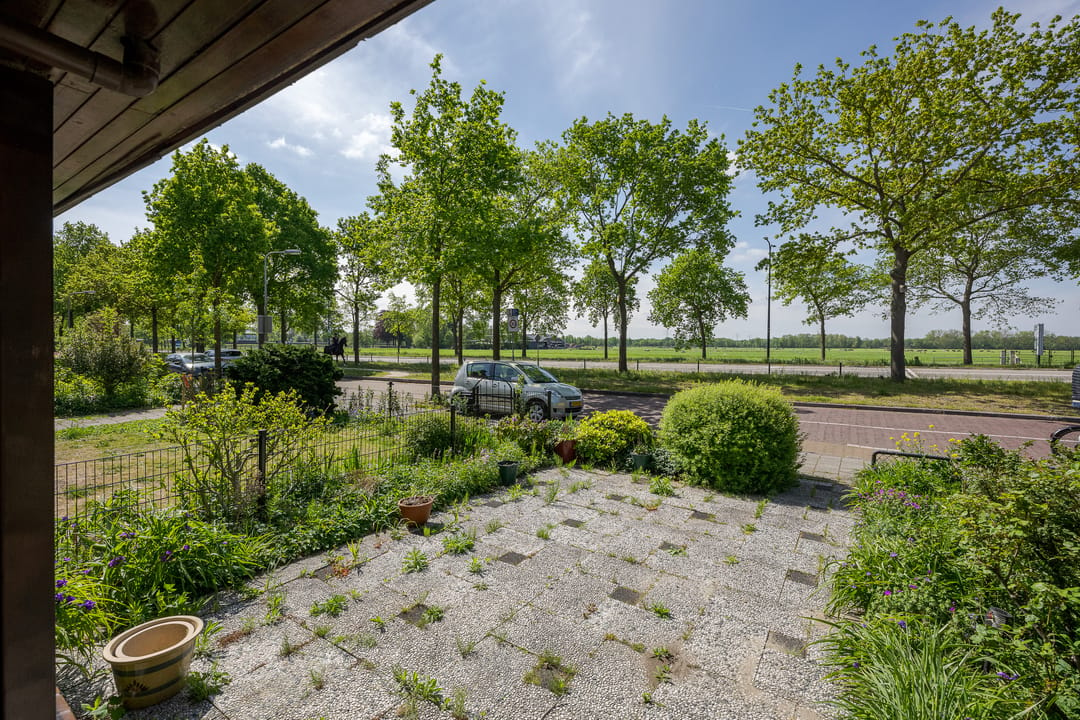
On the ground floor, the property opens to a front garden and main entrance. The entrance hall (vestibule) contains the electrical fuse box and provides access to the main hallway, which includes the staircase to the upper floor. From the hallway, a door leads to the living room. A small extension at the rear of the ground floor houses the kitchen area. A door from the kitchen provides access to the generous backyard.
The first floor accommodates a landing area, three bedrooms, and the bathroom. The bedroom configuration includes two larger rooms and one smaller room, offering flexibility for use as master bedroom, children's rooms, or a home office space. The bathroom serves the needs of the household and can be modernized along with the rest of the property.
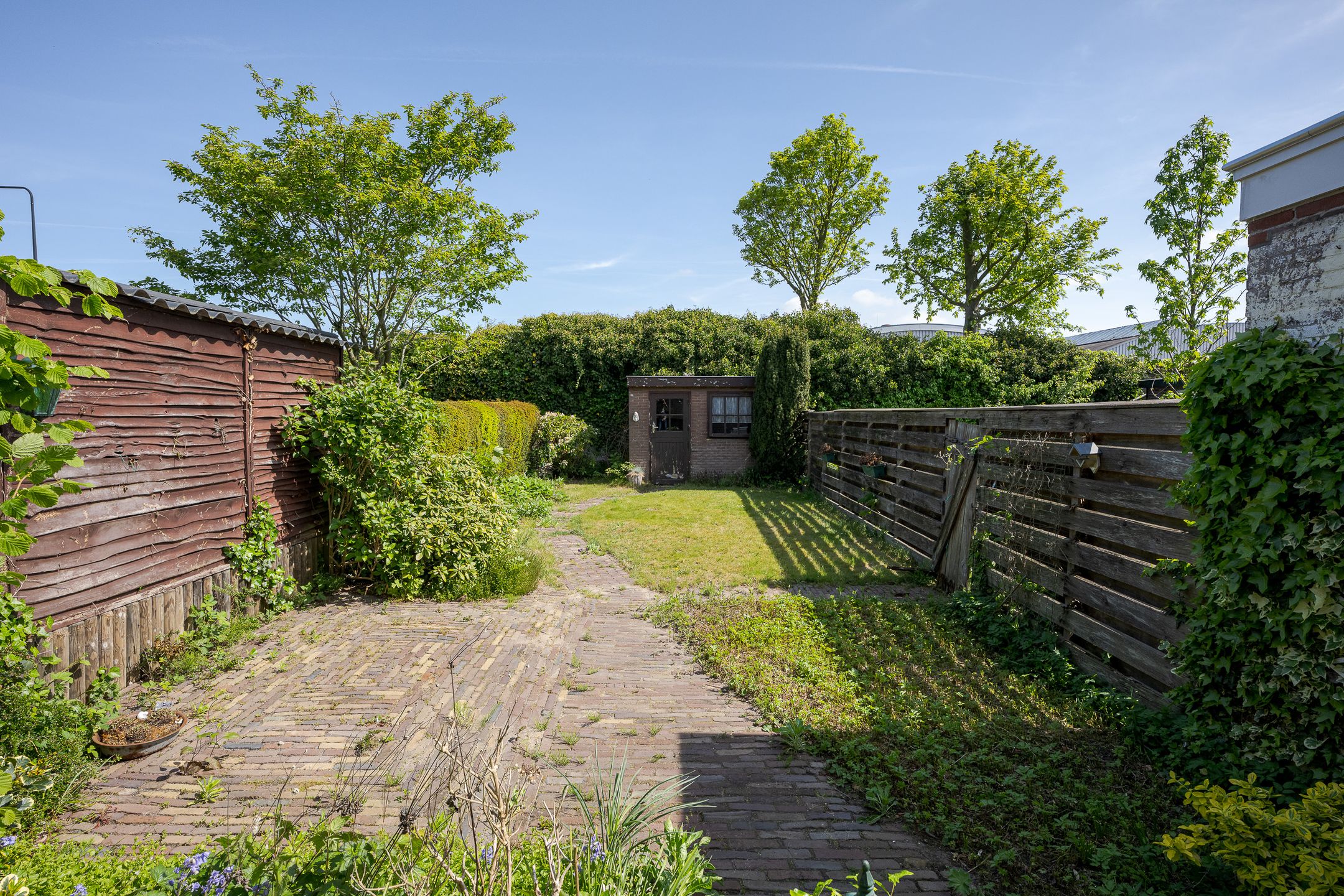
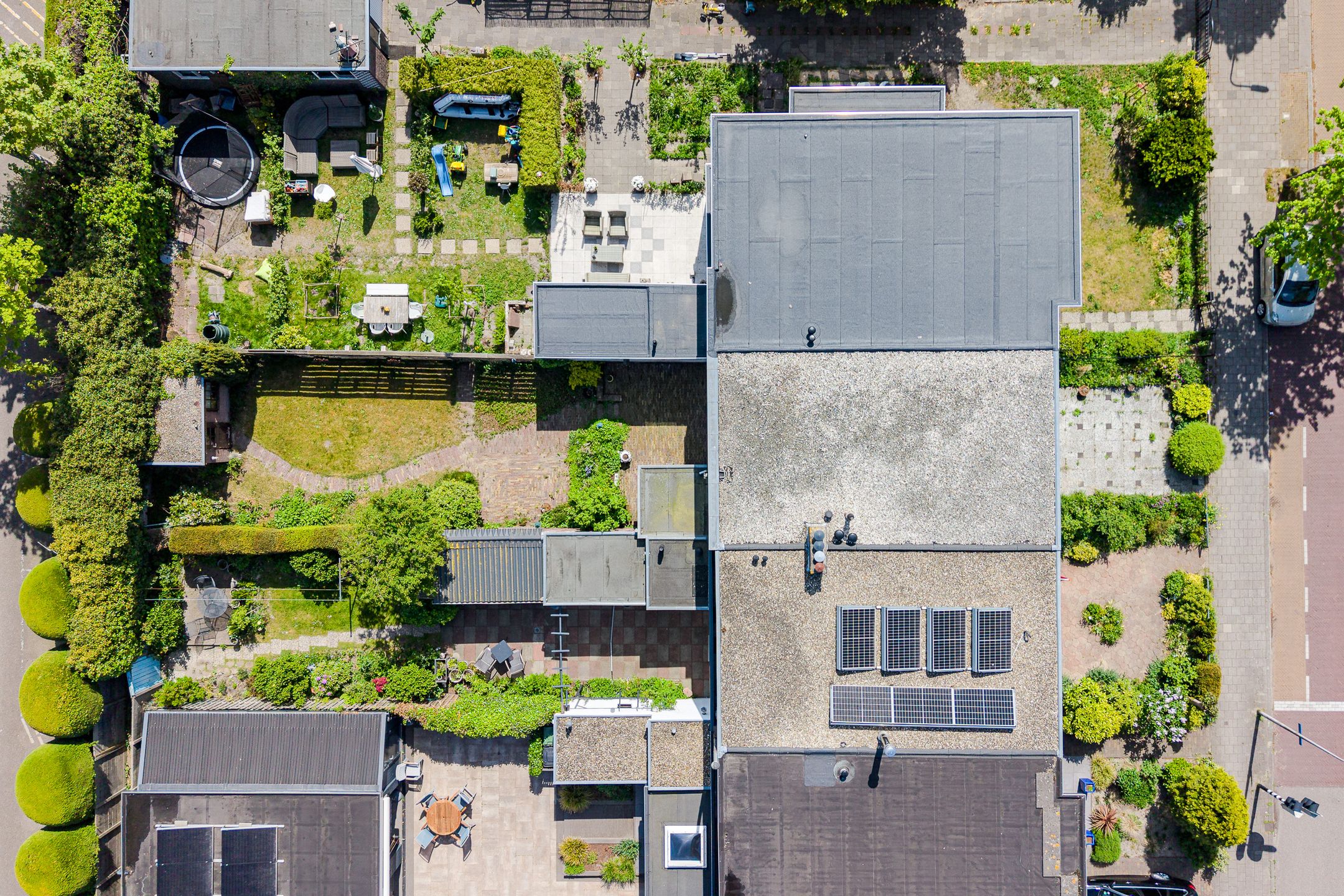
One of the standout features of this property is the exceptionally deep backyard. Measuring approximately 17.29 meters in depth and 6.05 meters in width, the garden totals around 105 square meters. The garden is oriented toward the northeast and offers an unobstructed view over the adjacent meadows and fields behind the property. This open vista creates a rare sense of spaciousness and connection to the surrounding landscape, which is highly unusual for a property so centrally located near a train station and urban amenities.
The property also includes external storage space of approximately 7 square meters in the form of a freestanding brick shed in the backyard. This provides practical storage for garden equipment, bicycles, and other items. A front garden completes the outdoor spaces.
Parking in the area is provided through public on-street parking. The residential neighborhood typically has adequate parking availability, though this may vary during peak times.
The total volume of the property measures 374 cubic meters, and a NEN 2580 measurement report is available for review. The NEN 2580 standard provides a more uniform method for measuring usable floor area, though it should be noted that measurement outcomes may still show slight variations due to interpretation differences, rounding, or cadastral limitations.
Prospective buyers should be aware that several standard clauses apply to this transaction. The property is being sold with an age clause (ouderdomsclausule) and an asbestos clause, which are common for properties of this vintage. Additionally, a non-owner-occupancy clause (niet-zelf-bewoning clausule) is in effect, indicating that the seller has not personally occupied the property. These clauses affect the buyer's legal protections regarding the property's condition and should be carefully reviewed with a qualified advisor.
The handover date is negotiable and can be arranged relatively quickly according to the listing. This flexibility may be advantageous for buyers who need to coordinate their move with the sale of their current property or other timing considerations.
In summary, this 1930s terraced house in Voorschoten presents a distinctive opportunity for buyers willing to invest time and resources into a comprehensive renovation project. The combination of a central location near the train station, excellent regional connectivity, a deep garden with open meadow views, and the potential for expansion creates a property with substantial possibilities. With the right vision and investment, this house could be transformed into a customized dream home in one of the most convenient and desirable locations in Voorschoten.