Charming corner apartment with classic details and Energy Label A in Amsterdam-Zuid
Key Features
Description
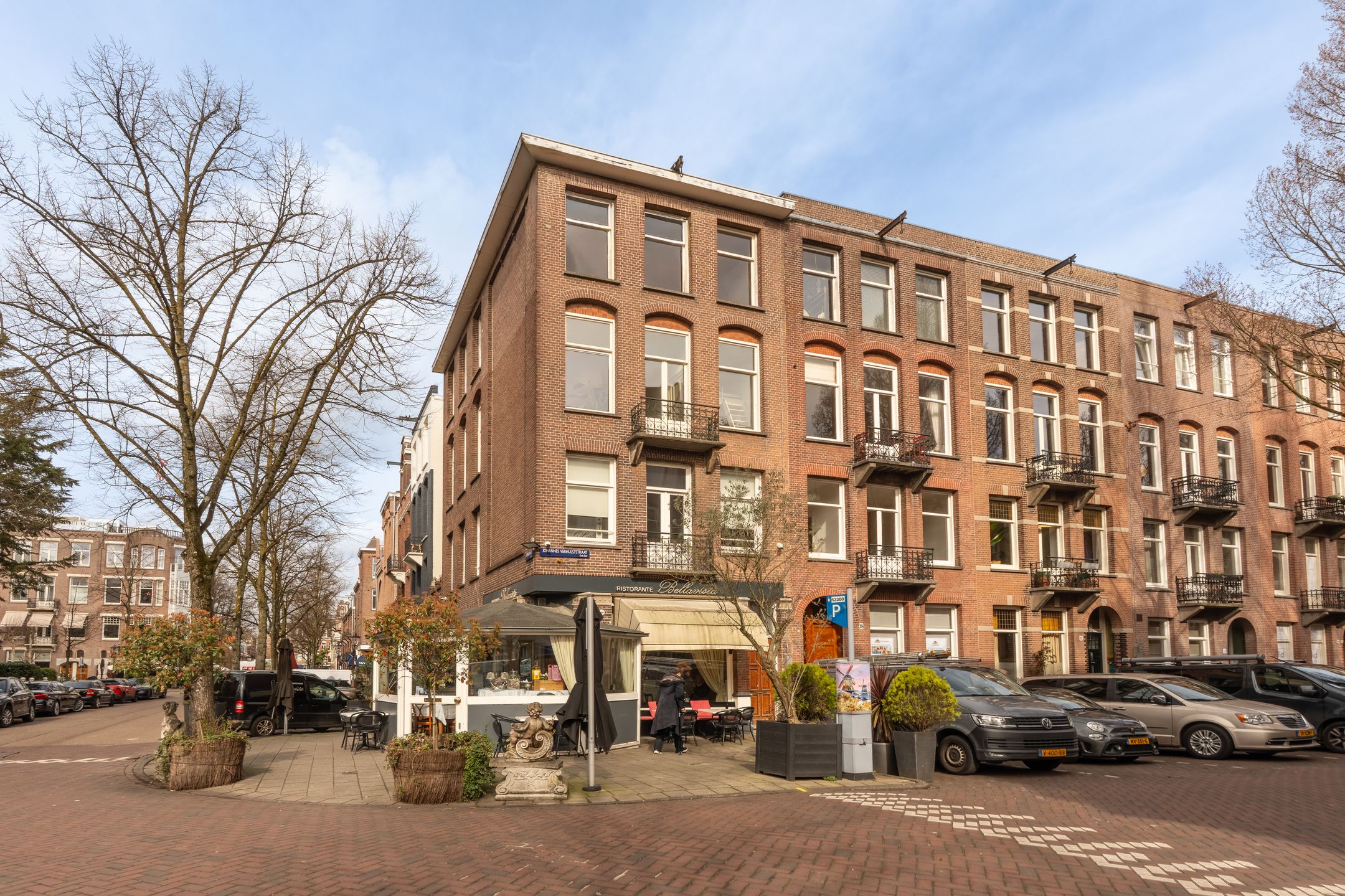
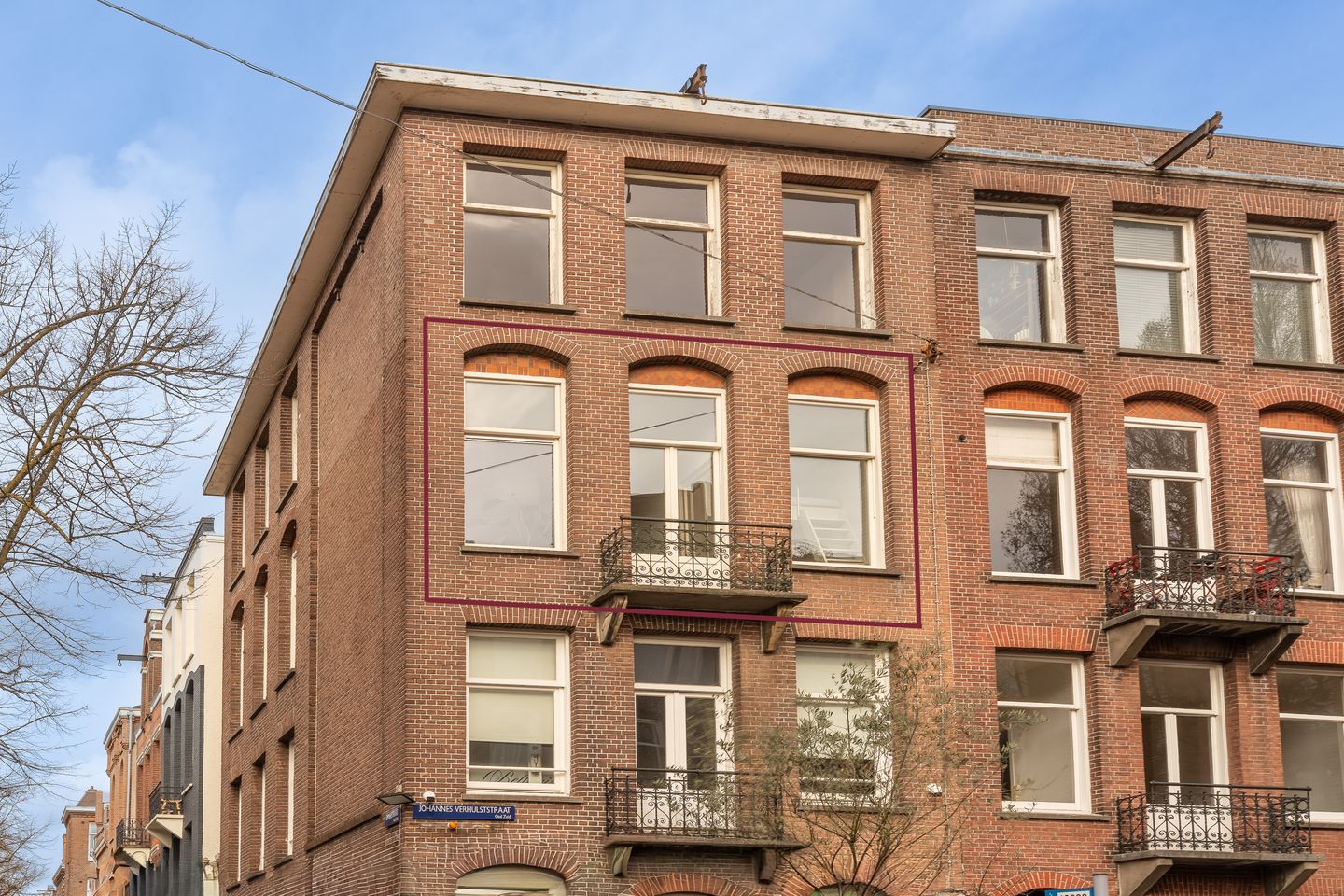
The property at Johannes Verhulststraat 156-II is situated in the Concertgebouwbuurt area of Amsterdam-Zuid. This one-bedroom apartment occupies the second floor of a building dating back to 1903. The apartment has a living area of approximately 56 square meters and benefits from a corner position that provides natural light from seven windows throughout the space.
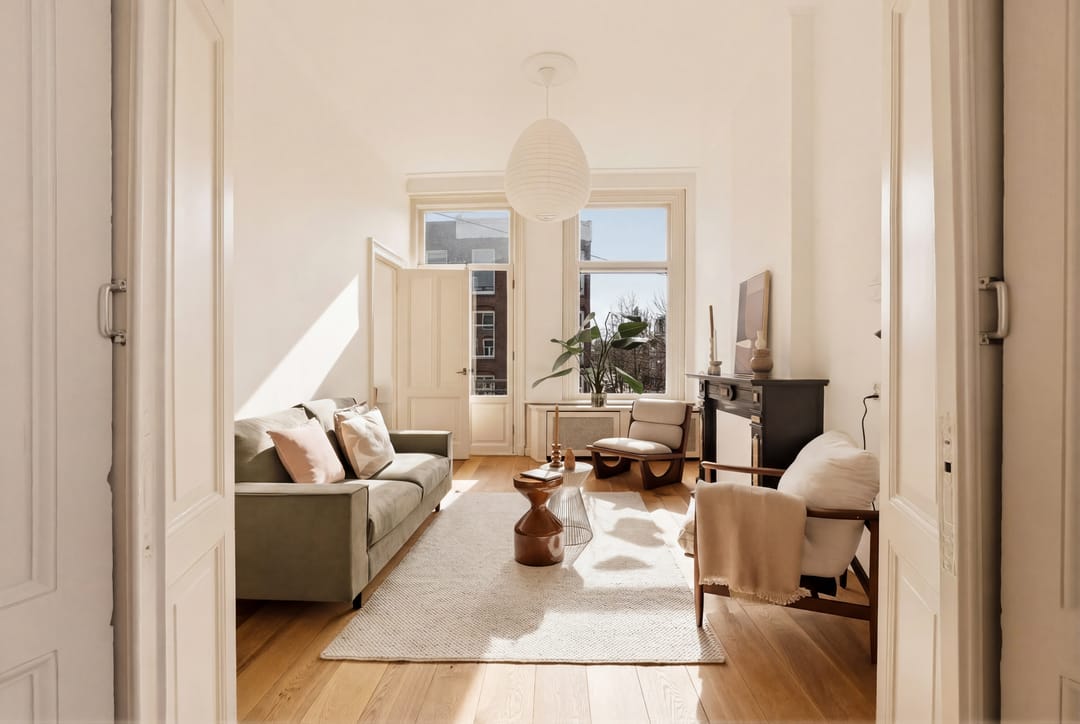
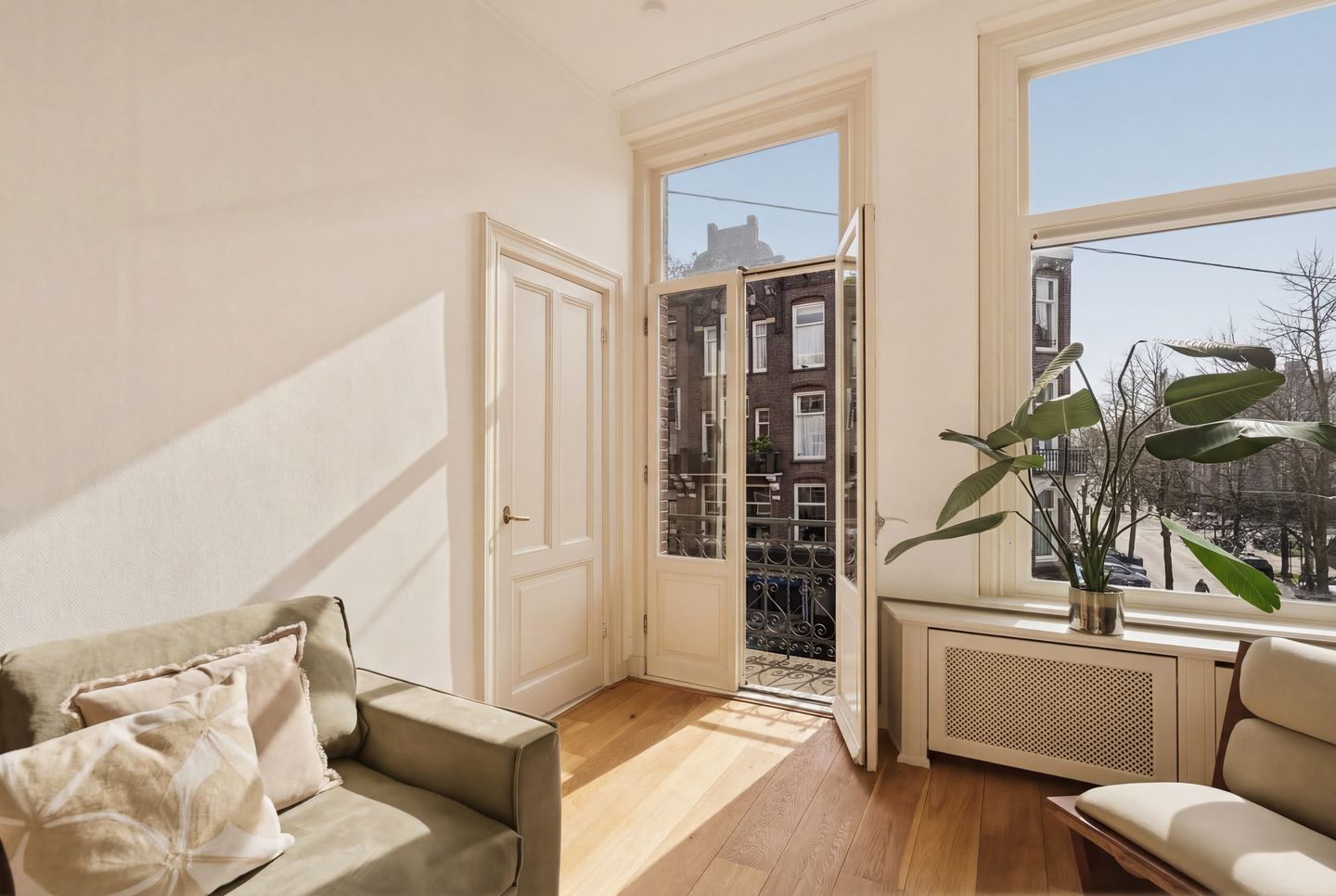
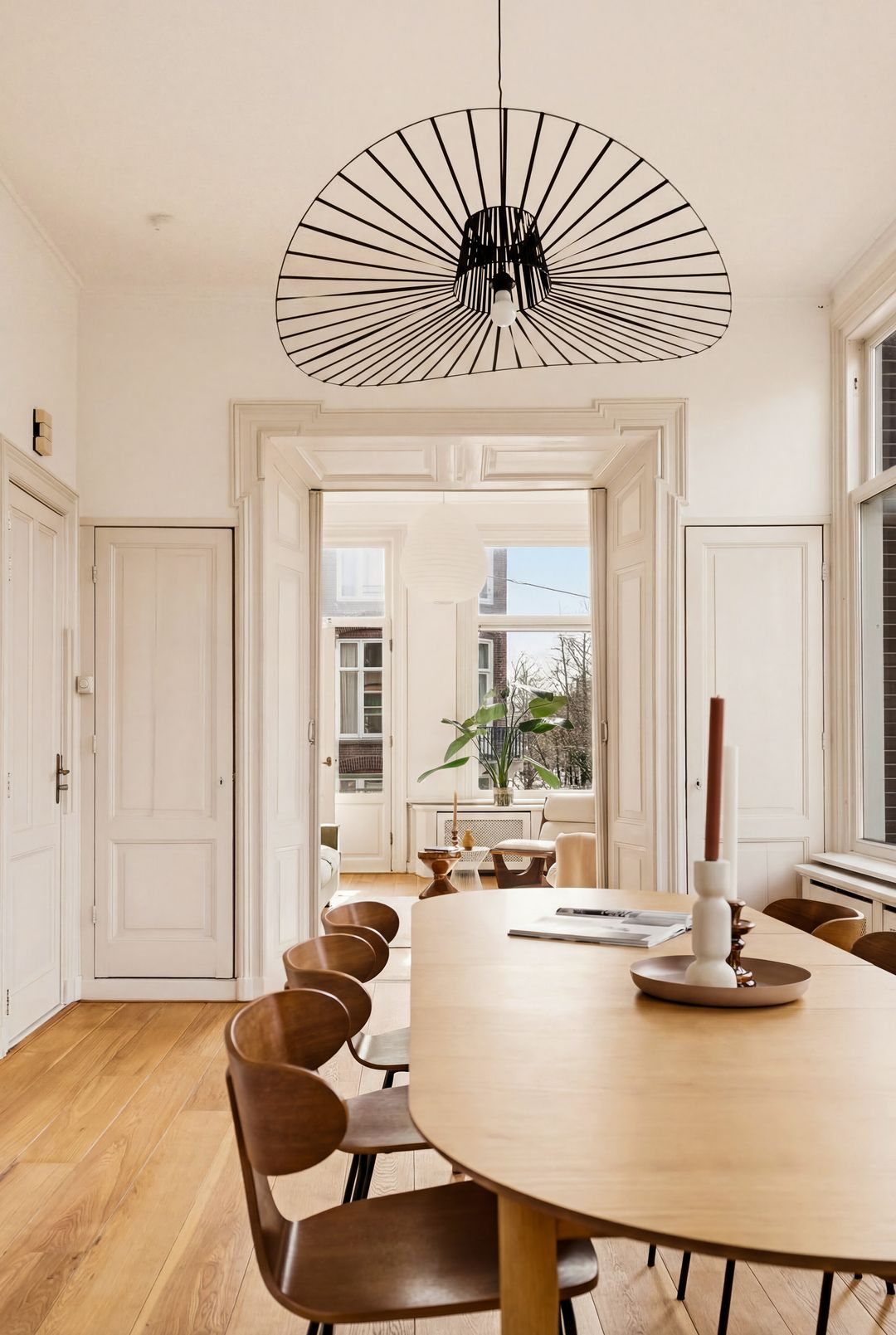
The interior features an en-suite layout with preserved classical elements. The living room includes original suite cabinets, panel doors, oak wooden floorboards, and a black marble fireplace. These authentic details have been maintained while modern amenities have been incorporated to meet contemporary living standards. The apartment has achieved an Energy Label A rating, which reflects the installation of double glazing and proper insulation measures.
The living room is positioned at the front of the apartment and has French doors that open to a south-facing French balcony. This outdoor space allows for exposure to sunlight throughout the day. The corner location ensures that the living areas receive light from multiple directions, creating a bright atmosphere within the apartment.
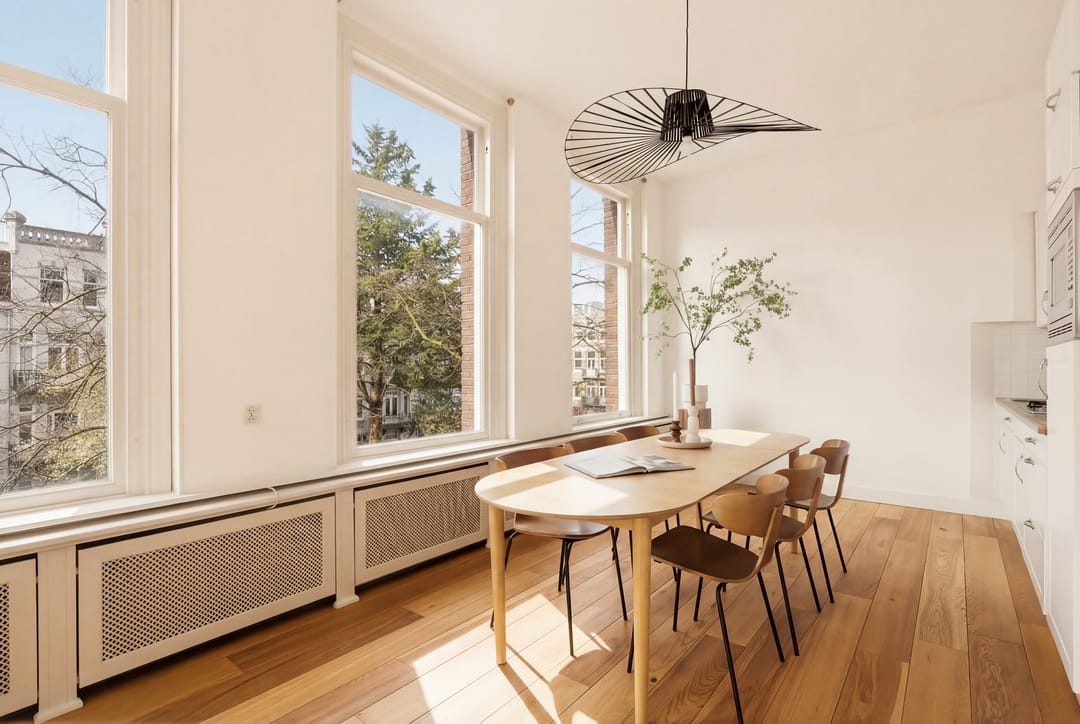
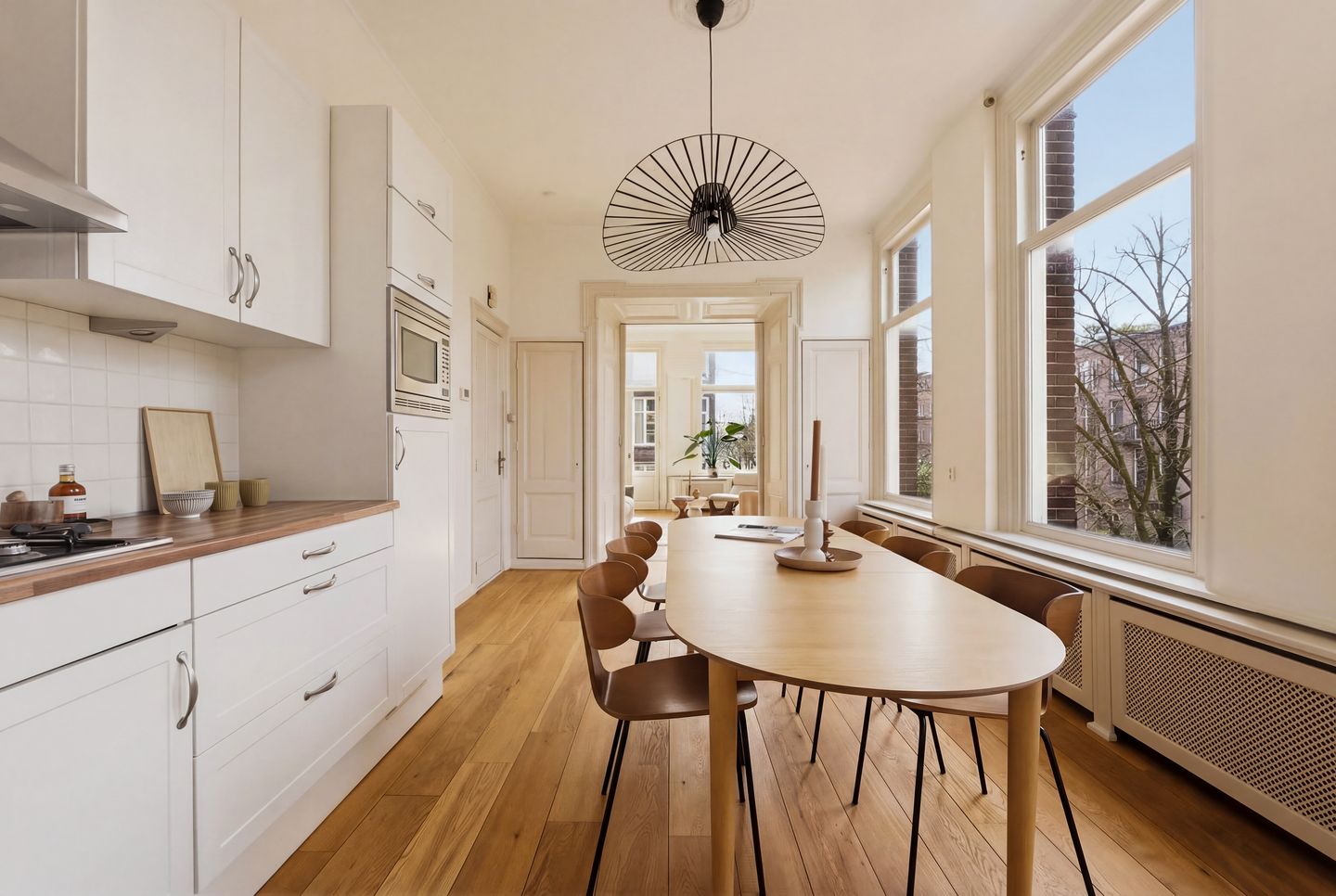
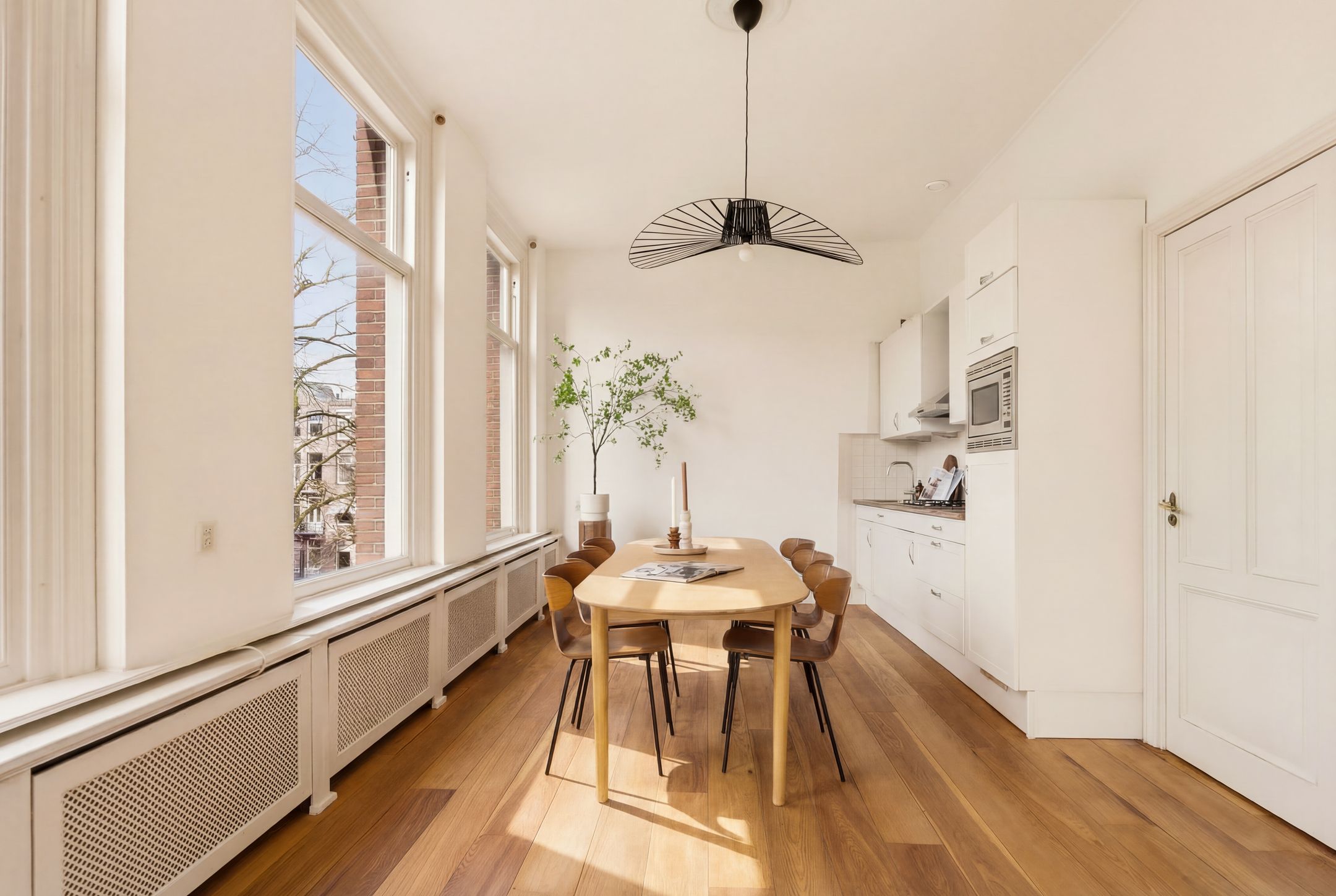
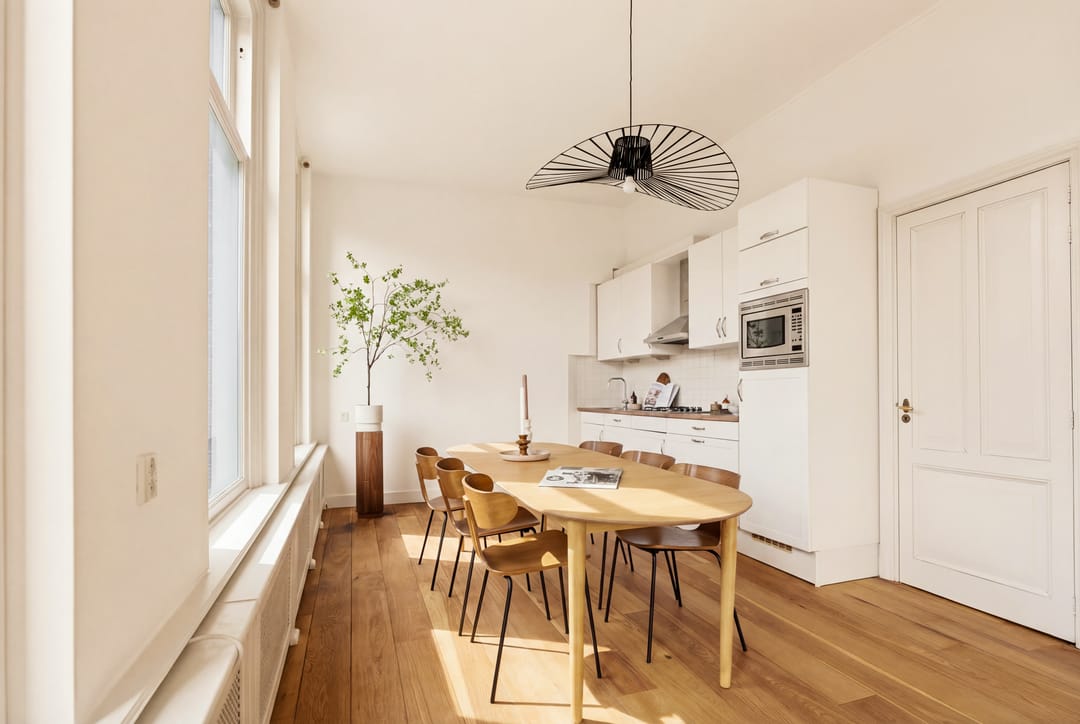
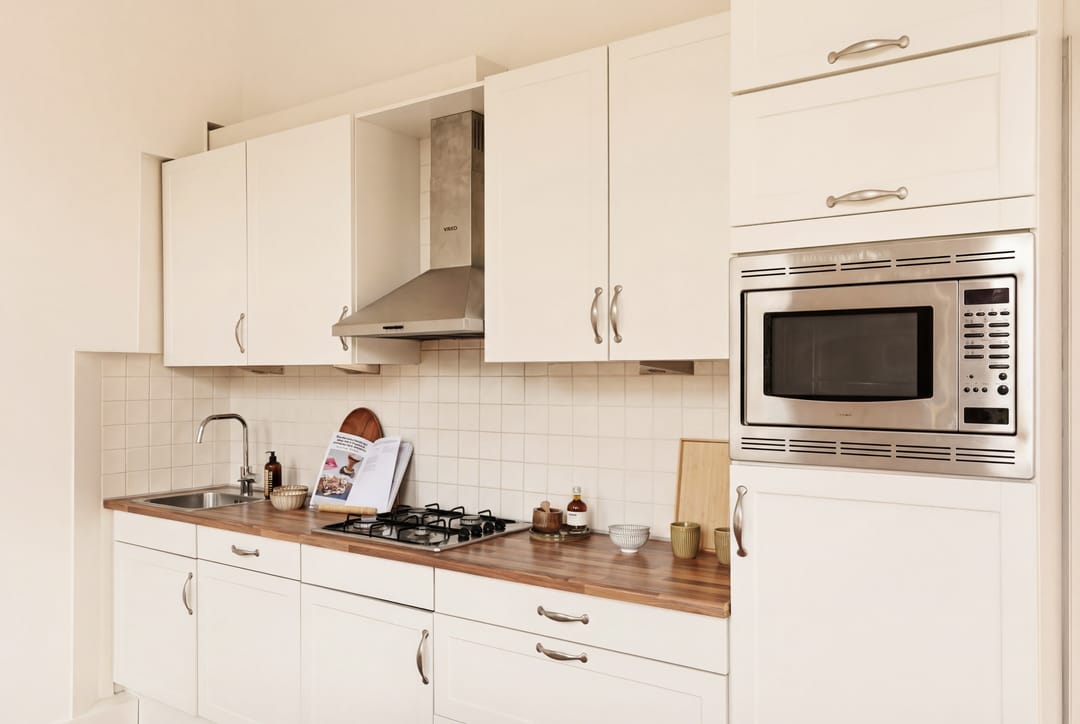
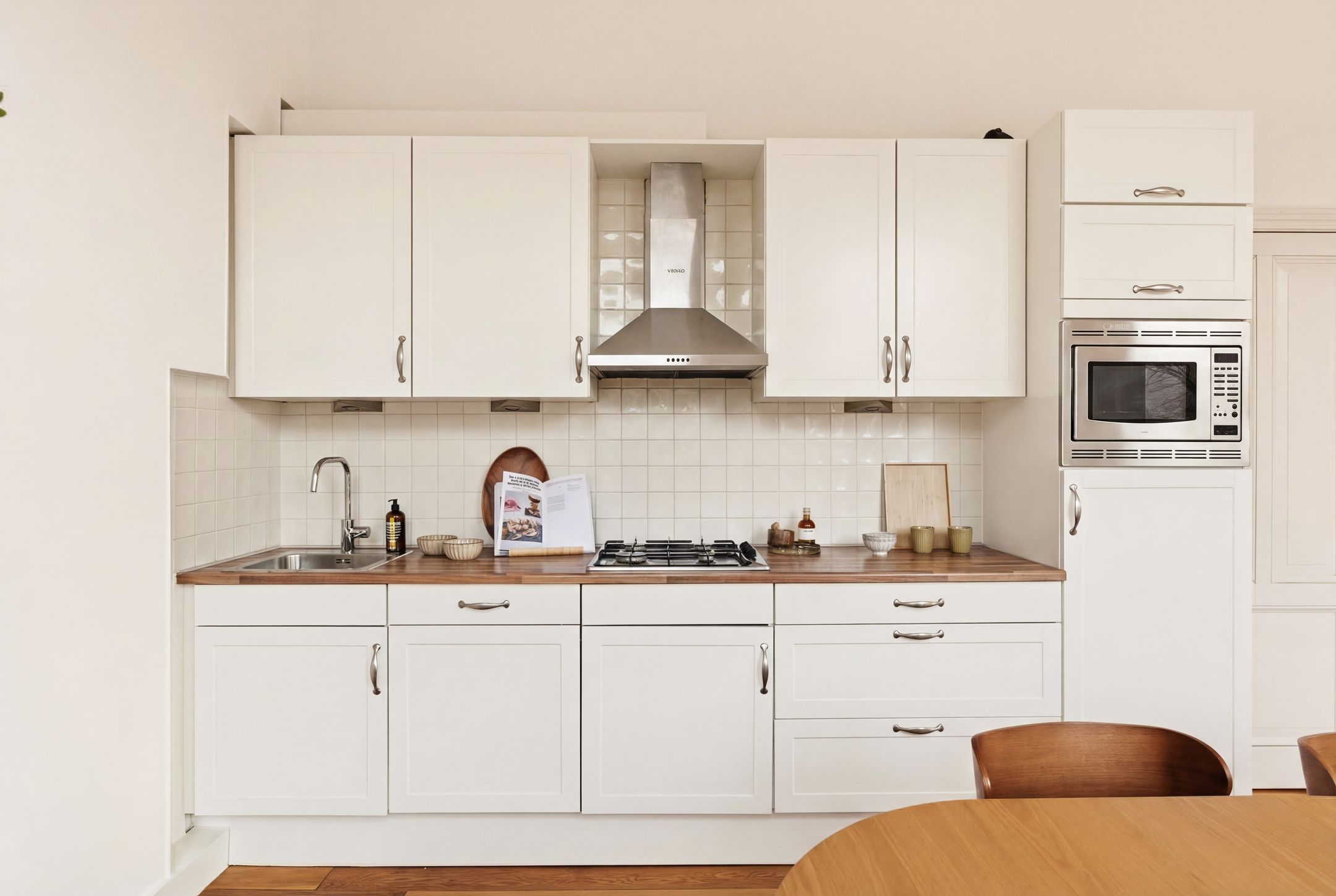
At the rear of the property, facing Emmastraat, there is a kitchen and dining area that also receives good natural light. The kitchen is equipped with built-in appliances including a refrigerator with freezer compartment, combination oven, dishwasher, and a four-burner gas stove. The layout allows for a dining table setup adjacent to the cooking area.
The bedroom is described as compact and includes a built-in wardrobe. This room can function as either a sleeping quarters or a home office space, depending on the needs of the occupant. Its location adjacent to the living room provides a logical flow through the apartment.
The bathroom has been modernized and features a walk-in shower, vanity unit, and toilet. Connections for both a washing machine and dryer are available in this space, which adds practical convenience for daily living. The fixtures and finishes appear to be contemporary and well-maintained based on the listing description.
Access to the apartment is via a communal staircase, which is typical for buildings of this era in Amsterdam. The VvE (homeowners association) contribution is set at 192 euros per month. The listing indicates that the VvE is properly registered with the Chamber of Commerce, holds annual meetings, maintains a reserve fund, has a maintenance plan in place, and has arranged building insurance. These factors suggest an active and well-organized association.
The property is offered on a freehold basis, meaning there is no ground lease (erfpacht) attached to the apartment. This is a significant consideration in the Amsterdam property market where many properties are subject to ground lease arrangements that can affect long-term costs and property values.
The listing includes two standard clauses that are common in Dutch real estate transactions. The non-owner occupant clause (niet-zelfbewonersclausule) is mentioned, which typically prevents investors from purchasing the property for rental purposes. The age clause (ouderdomsclausule) acknowledges that the building dates from 1903 and provides certain protections to the seller regarding the age-related condition of the property.
The location in the Concertgebouwbuurt places the apartment within one of the established residential areas of Amsterdam-Zuid. The neighborhood is characterized by its early twentieth-century architecture and tree-lined streets. The Cornelis Schuytstraat shopping area is nearby, offering various boutiques, specialty shops, and restaurants. Daily grocery needs can be met at several supermarkets and delicatessen stores within walking distance.
Recreational opportunities are accessible with Vondelpark located within a few minutes walking distance. The Museumplein area, home to the Rijksmuseum, Van Gogh Museum, Stedelijk Museum, and the Concertgebouw concert hall, is also within walking range. This proximity to cultural institutions is a defining characteristic of the location.
Transportation options include nearby tram and bus connections, with Amsterdam Zuid station accessible for national and international train services. Cycling to the city center takes approximately ten minutes according to the listing. For residents with vehicles, a parking permit is available in this area without a waiting period, which is noteworthy given that parking permits in central Amsterdam often involve extended waiting lists.
The asking price is 575,000 euros, which translates to approximately 10,268 euros per square meter based on the stated living area of 56 square meters. The property is listed as available immediately, though the acceptance terms are described as negotiable.
The building has a flat roof structure, and the apartment is positioned on the second residential floor. The total volume of the apartment is stated as 233 cubic meters. In addition to the living space, there is 1 square meter of other indoor space and 1 square meter of building-related outdoor space, which corresponds to the French balcony.
The Concertgebouwbuurt neighborhood derives its name from the famous Concertgebouw, which serves as both a musical venue and an architectural landmark. The area developed primarily during the late nineteenth and early twentieth centuries as Amsterdam expanded beyond its historic center. The street pattern and building styles reflect the urban planning principles of that era, with an emphasis on spacious streets and dignified residential architecture.
Johannes Verhulststraat itself is named after the Dutch composer Johannes Verhulst, who lived from 1816 to 1891 and served as a conductor at the Concertgebouw. This naming convention reflects the cultural heritage that permeates the neighborhood. The street connects to other notable thoroughfares in the area and maintains a residential character while being conveniently located near commercial and cultural amenities.
The intersection with Emmastraat, where the apartment building is positioned, creates the corner situation that defines the layout of this particular unit. Corner apartments in these types of buildings are often valued for their additional window exposure and the sense of space that multiple exterior walls can provide. The seven windows mentioned in the listing represent this advantage, as a typical interior apartment in a similar building might have windows on only one or two sides.
The preservation of classical interior elements such as the en-suite doors and built-in cabinets reflects the architectural conventions of the period when the building was constructed. The en-suite arrangement, where the living room can be divided by closing doors with integrated storage, was a popular feature in middle-class and upper-middle-class Amsterdam apartments of the early twentieth century. This layout allowed for formal separation of functions when entertaining guests while maintaining flexibility for daily use.
The oak wooden flooring mentioned in the listing would have been a quality feature at the time of construction and has likely been maintained or restored to remain in usable condition. The black marble fireplace, while possibly no longer functional as a heating source, serves as a period detail that contributes to the character of the living space.
The achievement of an Energy Label A rating for a building from 1903 represents a significant upgrade from its original condition. Buildings of this era were constructed with solid brick walls but typically had single-glazed windows and minimal insulation. The installation of double glazing and other insulation measures necessary to achieve the A rating indicates that substantial renovation work has been undertaken at some point, while the preserved interior details suggest this was done with attention to retaining the original character.
The monthly VvE contribution of 192 euros covers shared expenses such as building insurance, maintenance of common areas, and contributions to the reserve fund. The presence of a maintenance plan and reserve fund indicates that the association takes a structured approach to building upkeep, which is important for older buildings that require ongoing attention to elements such as the roof, facade, and communal stairways.
The availability of a parking permit without waiting time is a practical benefit in a city where parking regulations are strictly enforced. In many central Amsterdam neighborhoods, obtaining a parking permit can require months or even years on a waiting list. The ability to secure a permit immediately adds convenience for residents who own vehicles.
The measurement of the apartment according to NEN 2580 standards provides a standardized approach to determining usable floor area. This measurement method is widely accepted in Dutch real estate transactions and helps ensure consistency in how properties are compared. The 56 square meter living area places this apartment in the category of compact one-bedroom units, which is typical for the Amsterdam market where space comes at a premium.
The combination of period features, modern energy efficiency, freehold ownership, and a desirable location in Amsterdam-Zuid positions this property as a representative example of the type of apartment that attracts buyers seeking character properties in established neighborhoods. The listing suggests that the apartment is ready for immediate occupation without requiring renovation work, which appeals to buyers who prefer a move-in condition property.