Renovatable bungalow with annex in wooded villapark Leende
Key Features
Description
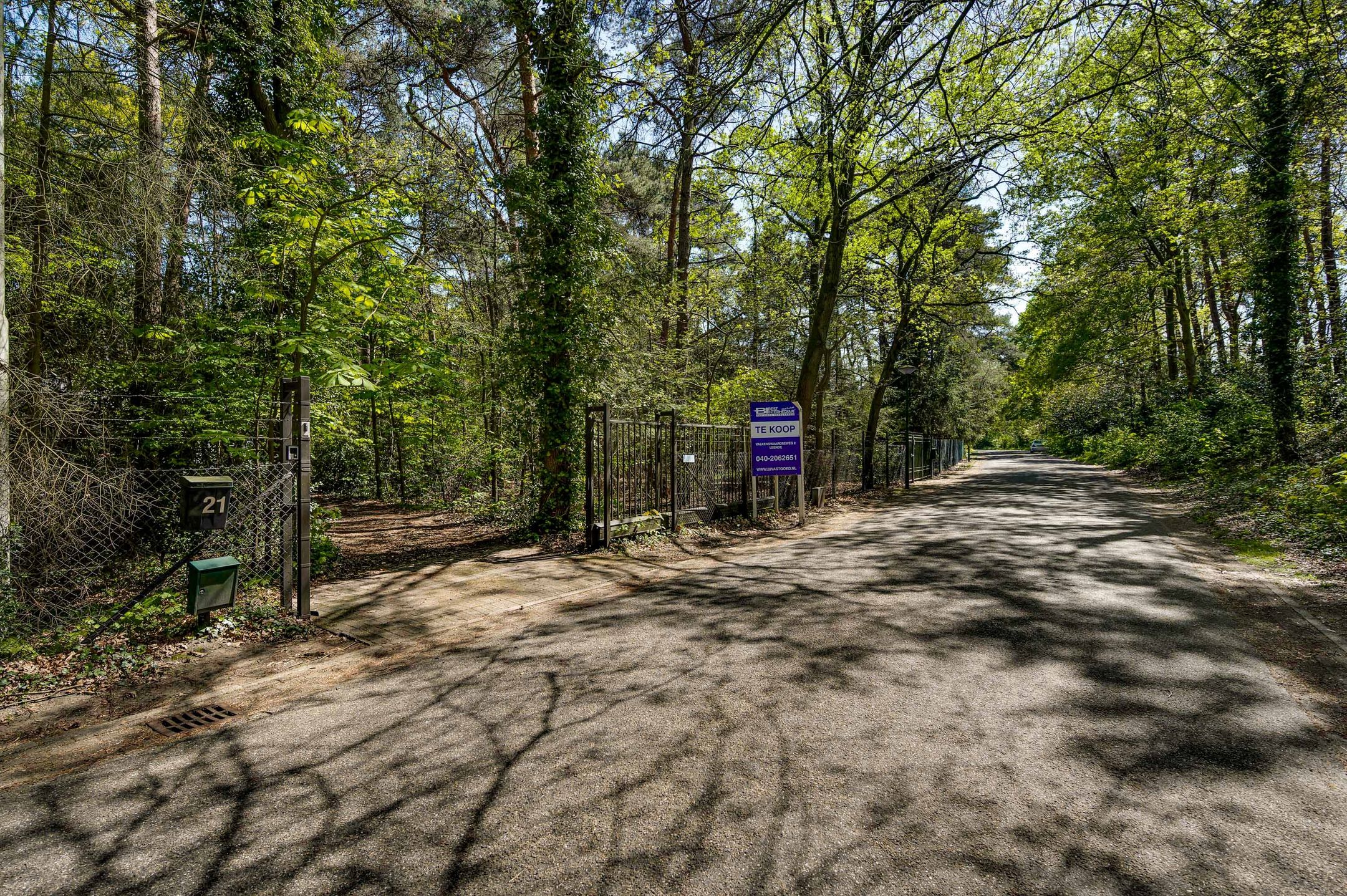
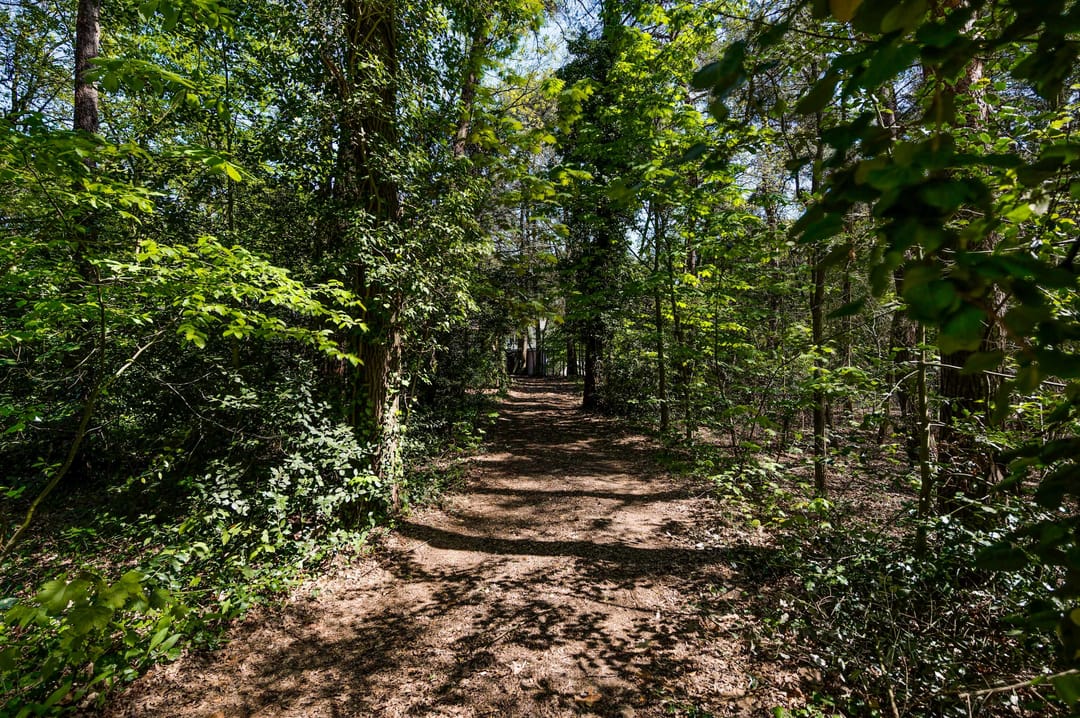
The property at Fazantlaan 21 is located in the village of Leende, specifically within the villa park known as Het Vogelpark. This residential area is characterized by its wooded surroundings, offering residents a living environment that emphasizes privacy and connection to nature. The village center of Leende is situated at a short distance, providing access to local amenities and services while maintaining the peaceful atmosphere of the villapark.
The asking price for this property is set at 775,000 euros, which is offered as a costs koper transaction, meaning the buyer is responsible for the transfer costs associated with the purchase. When considering the price per square meter of living space, this amounts to approximately 4,306 euros per square meter based on the 180 square meters of living area.
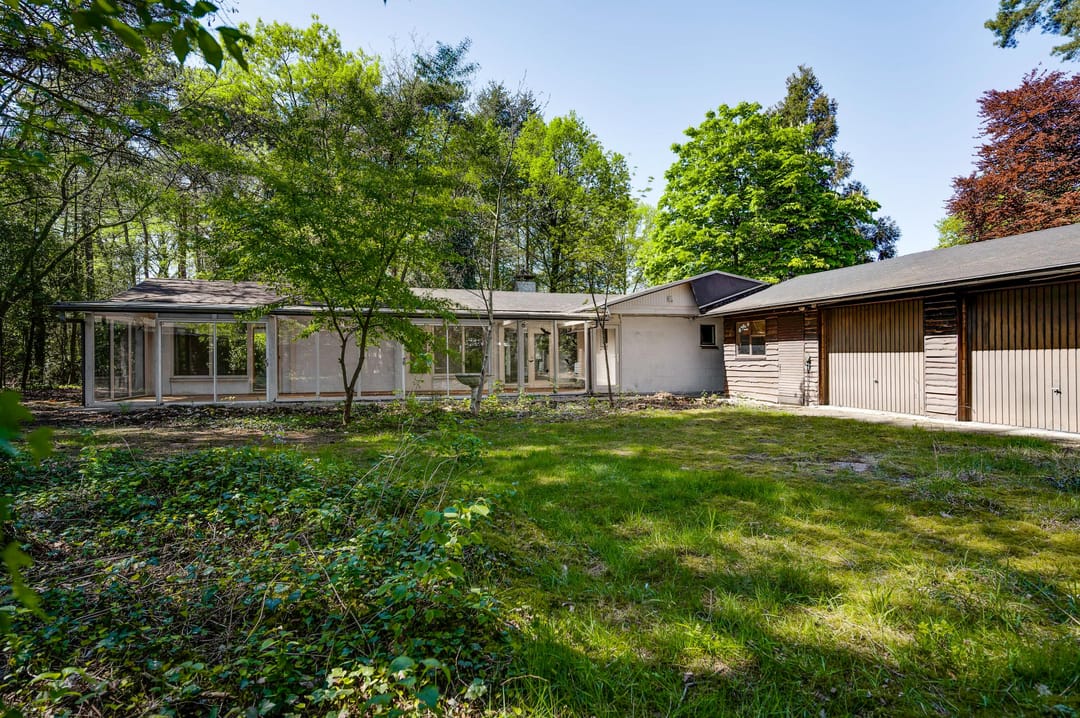
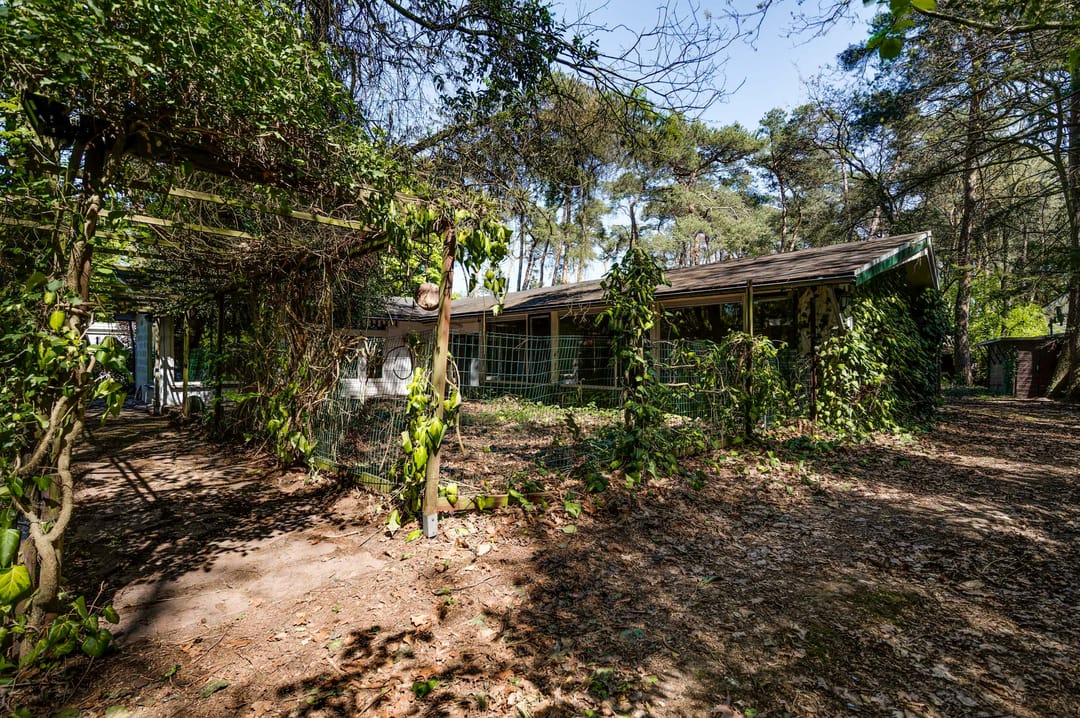
The main residence is a detached bungalow that was originally constructed in the 1960s. The building features a saddle roof covered with slate, which is a traditional and durable roofing material. The property is currently classified as a kluswoning, which translates to a renovation property. This classification indicates that the bungalow requires significant renovation or remodeling work to be brought up to modern standards or to be adapted to the personal preferences and taste of a new owner. This presents both a challenge and an opportunity for prospective buyers who are looking for a property they can customize according to their own vision.
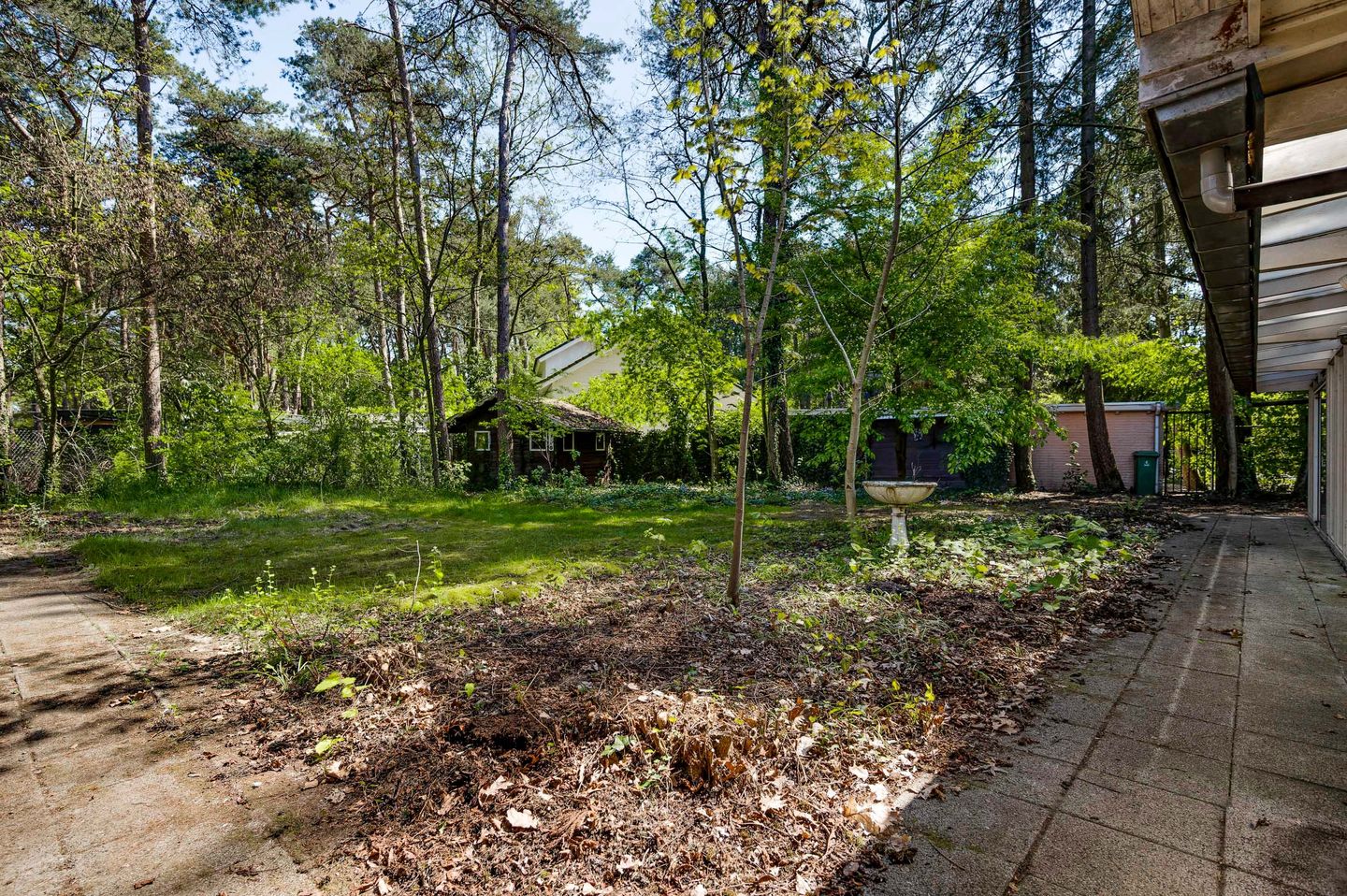
The total plot size measures 1,545 square meters, which is a substantial parcel of land that provides ample space around the property. This large plot contributes significantly to the privacy mentioned in the listing, as it allows for considerable distance between the residence and neighboring properties. The garden is described as being located at the rear of the property, and the overall setting within the wooded villapark enhances the natural character of the outdoor space.
The bungalow has a total living area of 180 square meters, distributed across a single living layer. In addition to the main living space, there is 63 square meters of building-related outdoor space, which typically refers to covered areas such as verandas or conservatories that are attached to the main structure. The property also includes 65 square meters of external storage space. The total volume of the building is 674 cubic meters.
The interior layout of the bungalow is divided into distinct wings. The entrance area features a spacious hallway with an authentic detail where flagstone terracing from the exterior continues into the interior. This creates a visual and physical connection between the indoor and outdoor spaces. The sleeping wing contains a large master bedroom along with two additional bedrooms. Each of these secondary bedrooms is equipped with a washbasin. The bathroom in the main residence is fitted with underfloor heating, a bathtub, a toilet, and a vanity unit with washbasin.
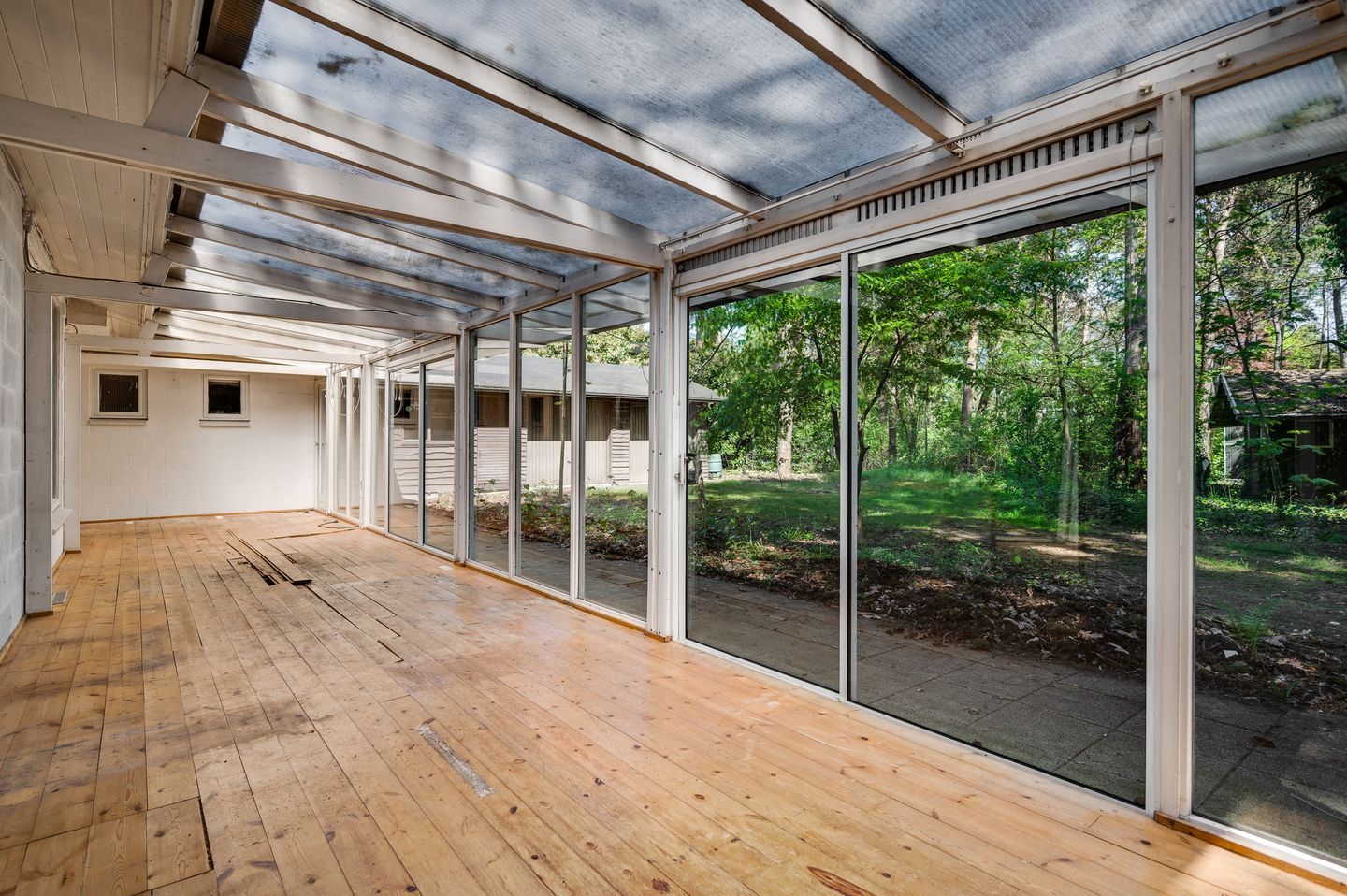
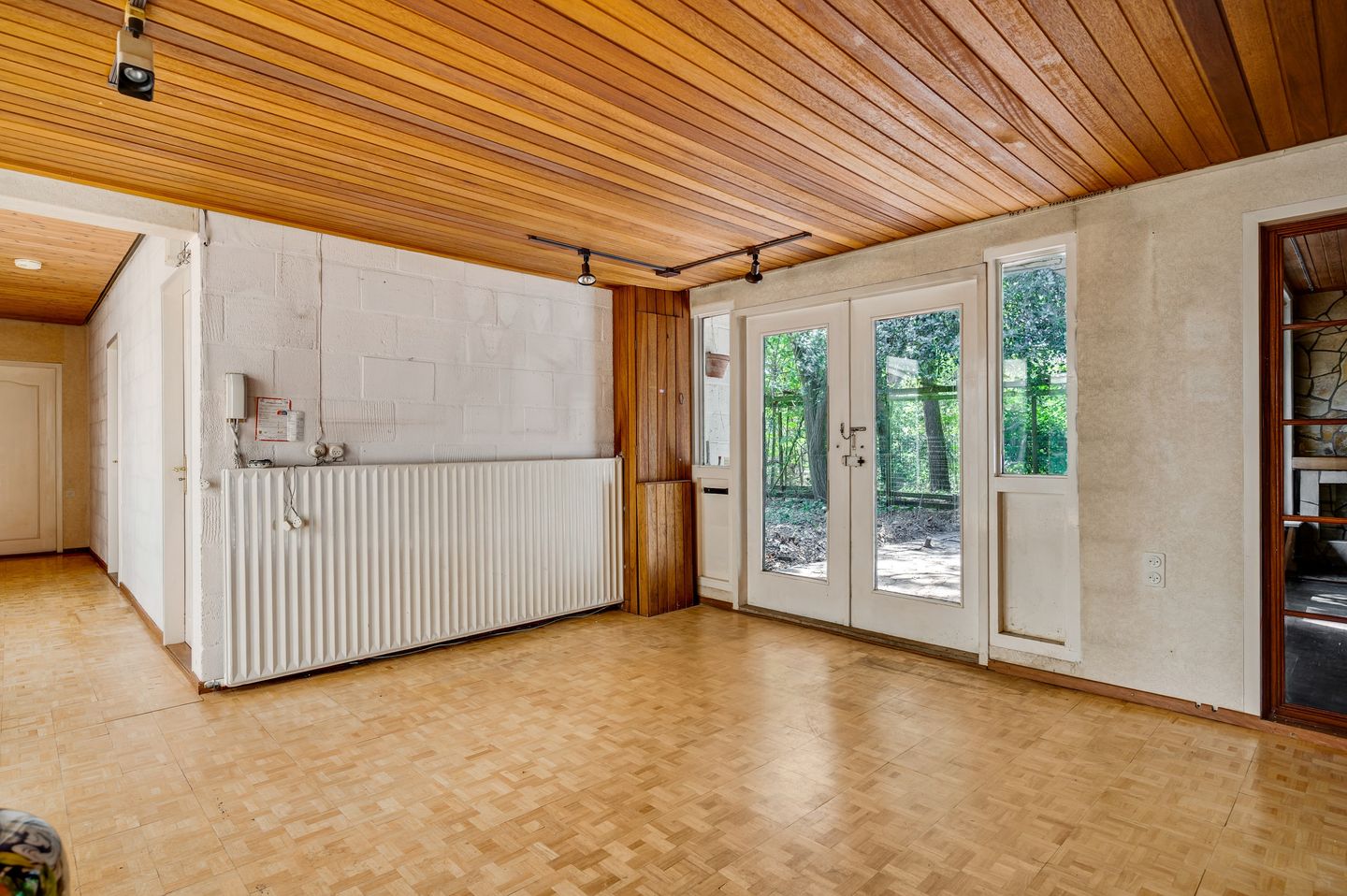
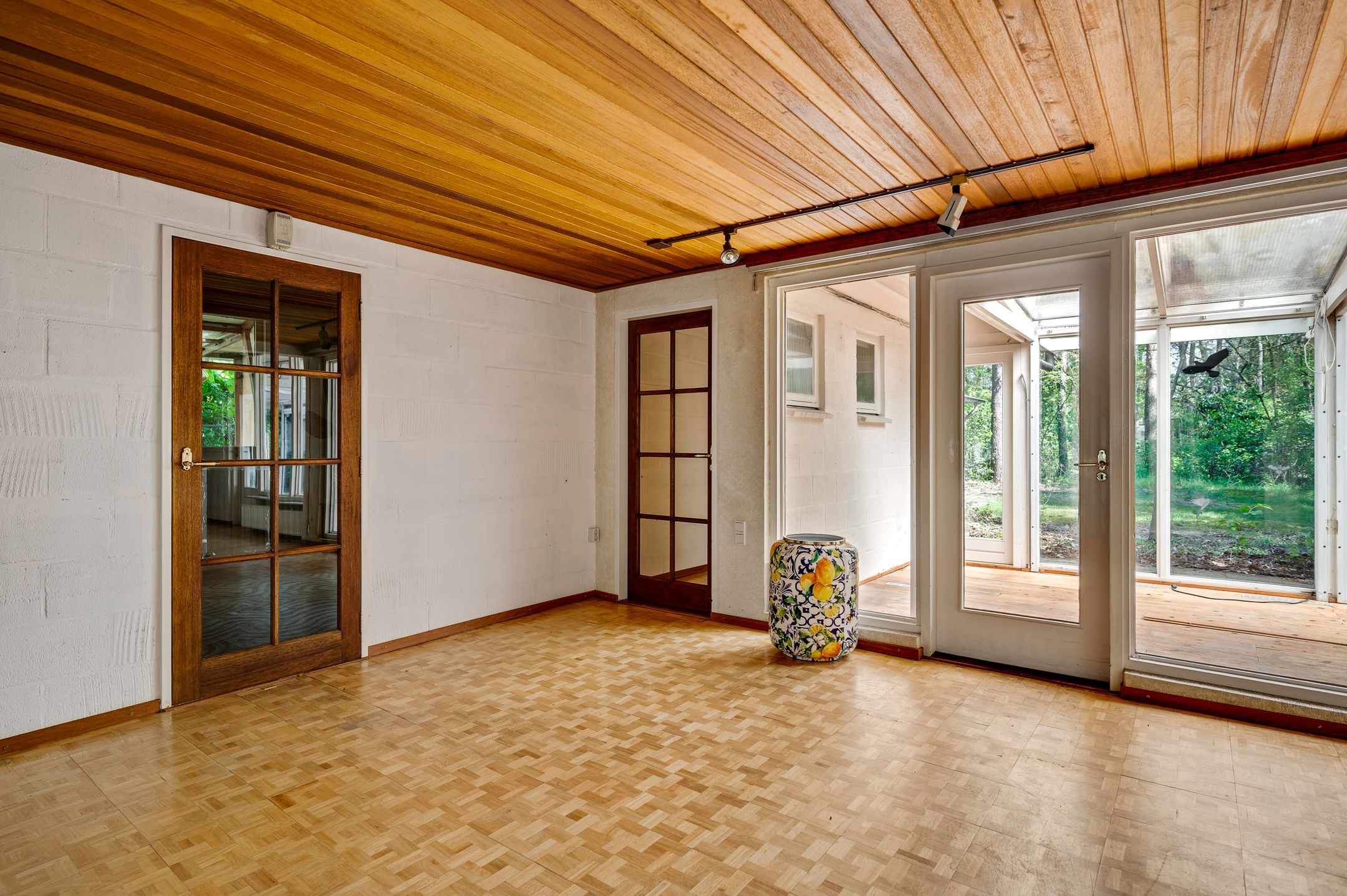
Connected to the main bungalow is a conservatory or sunroom that extends across most of the full width of the rear of the property. This additional space provides a transitional area between the interior living spaces and the garden, and it offers potential for various uses such as a sitting area, dining space, or indoor garden.
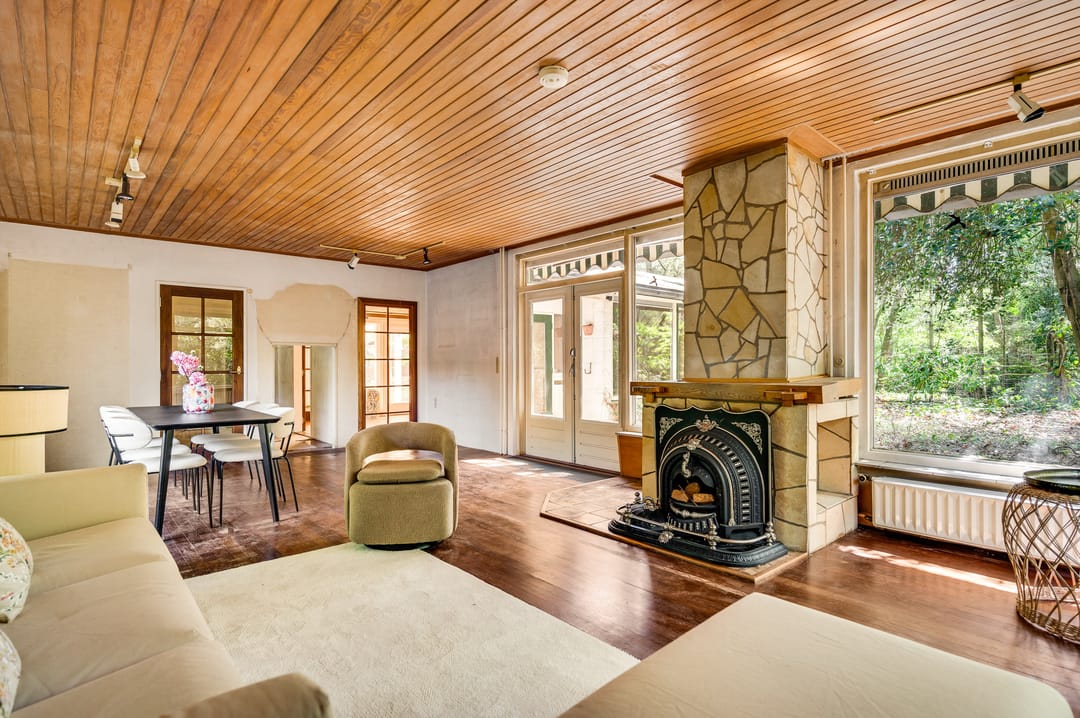
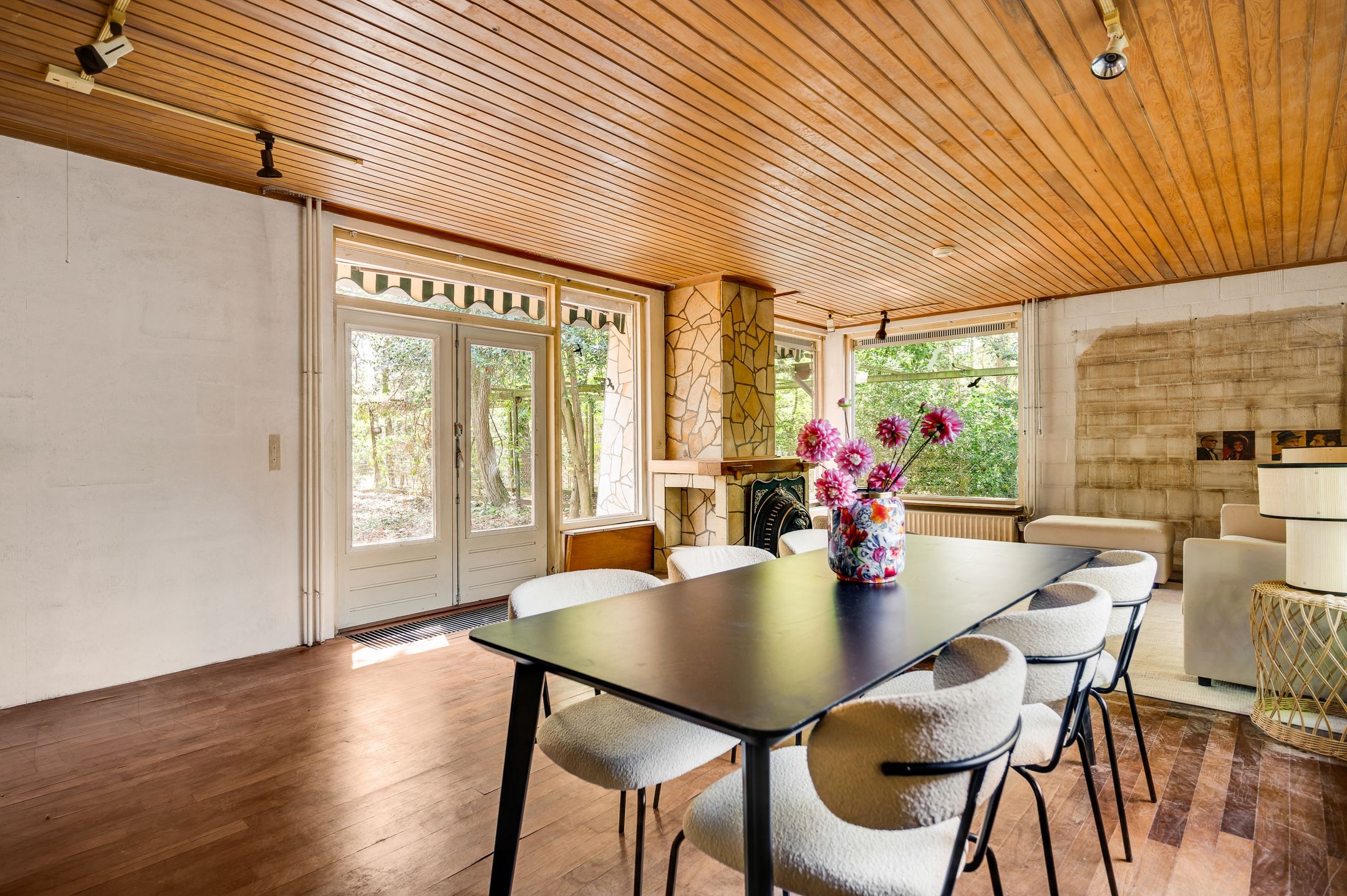
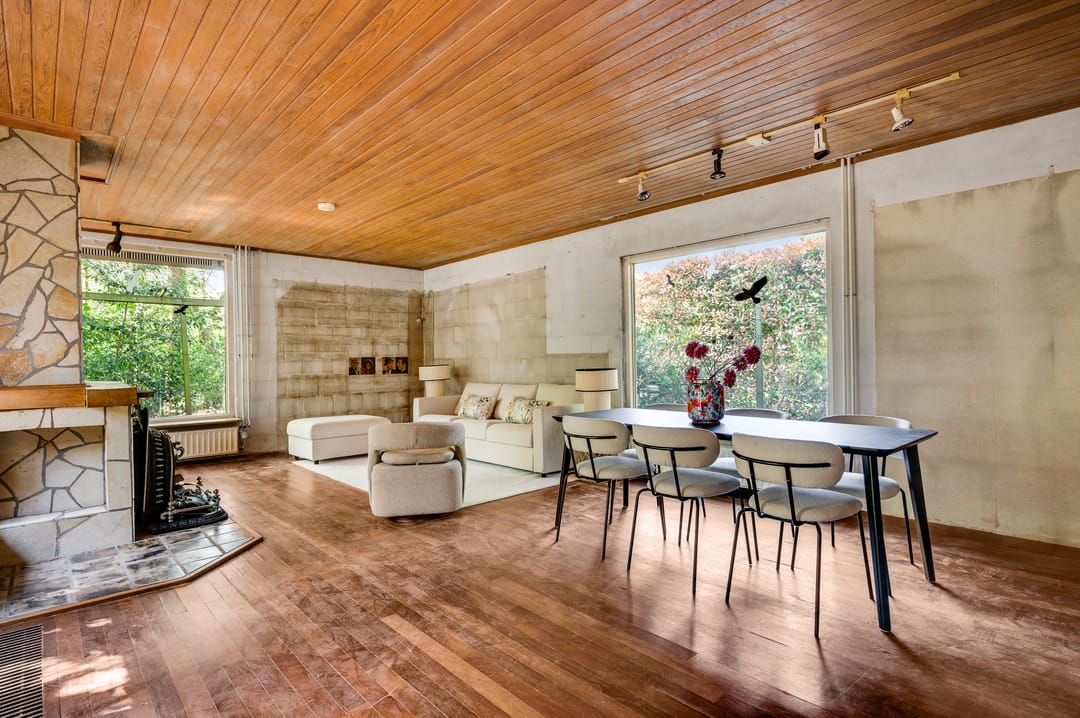
The living wing of the bungalow comprises a spacious living room, a dining room, and a kitchen. The living room contains an authentic wood-burning stove and has a parquet floor, which adds character to the space. The presence of a wood-burning stove provides an alternative or supplementary heating option to the main central heating system.
A notable outdoor feature is the flagstone terrace that extends from the exterior into the entrance hall, creating a seamless transition between inside and outside. Additionally, there is an open fireplace located on the terrace, which could serve as a focal point for outdoor entertaining or relaxation during cooler months.
Separate from the main bungalow, there is a detached annex building that serves multiple functions. This structure includes a garage with capacity for two vehicles, making it suitable for households with multiple cars or for those who require additional storage or workspace. The annex also contains a study or home office room, providing a separate workspace away from the main living areas of the bungalow. Furthermore, there is a shower room with toilet facilities in the annex, which adds to its functionality as a potentially independent space.
Below ground level, the annex features a wine cellar, which is a distinctive amenity that could appeal to wine enthusiasts or could be repurposed for other storage needs. Above, there is an attic storage space that provides additional room for storing items that are not needed on a regular basis.
In terms of energy efficiency, the property does not currently have an energy label available, which is common for older properties that have not been recently assessed or renovated. The windows feature partial double glazing, indicating that some window replacements have likely occurred but that the insulation has not been fully updated throughout the property. Heating is provided through a combination of systems: a central heating boiler, a wood-burning stove, and partial underfloor heating. The central heating boiler is a Nefit Trendline II HRC 30/CW5 model that operates on natural gas. Hot water is also supplied by the central heating boiler.
Parking is available on the property's own grounds, which is facilitated by the double garage in the annex as well as the ample space provided by the large plot. Additionally, there is a freestanding wooden storage shed on the property for garden equipment or other items.
The property is offered with acceptance in consultation, which is a standard arrangement that allows for flexibility in determining the exact transfer date between the seller and buyer.
The village of Leende itself is located in the province of North Brabant in the southern part of the Netherlands. The area is known for its natural landscapes, including forests and heathlands, which aligns with the wooded character of the Het Vogelpark villa neighborhood. Residents of this area typically enjoy a quieter, more rural lifestyle while still having access to larger urban centers for more extensive shopping, cultural activities, and employment opportunities.
The fact that the bungalow was built in the 1960s places it in a period of Dutch architecture that often emphasized functionality and integration with the natural environment. Properties from this era in villa park settings were frequently designed to take advantage of their spacious plots and to provide a connection to the outdoors. The single-story layout of the bungalow is characteristic of this type of residential design and offers the practical benefit of having all living spaces on one level, which can be advantageous for residents who prefer to avoid stairs.
The classification as a kluswoning is an important consideration for potential buyers. It sets clear expectations that the property is not move-in ready in its current condition and that significant investment of time, effort, and financial resources will be required to bring it to a habitable standard according to modern expectations. Buyers considering this type of property should have either the skills to undertake renovation work themselves or the resources to hire professionals to complete the necessary improvements.
The presence of the annex building adds considerable value and flexibility to the property. Beyond its function as a double garage, the inclusion of a study, shower facilities, wine cellar, and storage space means that this structure could potentially serve as guest accommodation, a home office separate from the main living quarters, or even be converted into an independent living space for a family member, subject to obtaining any necessary permits.