Premium Renovated Apartment Near Sarphatipark in De Pijp
Key Features
Description
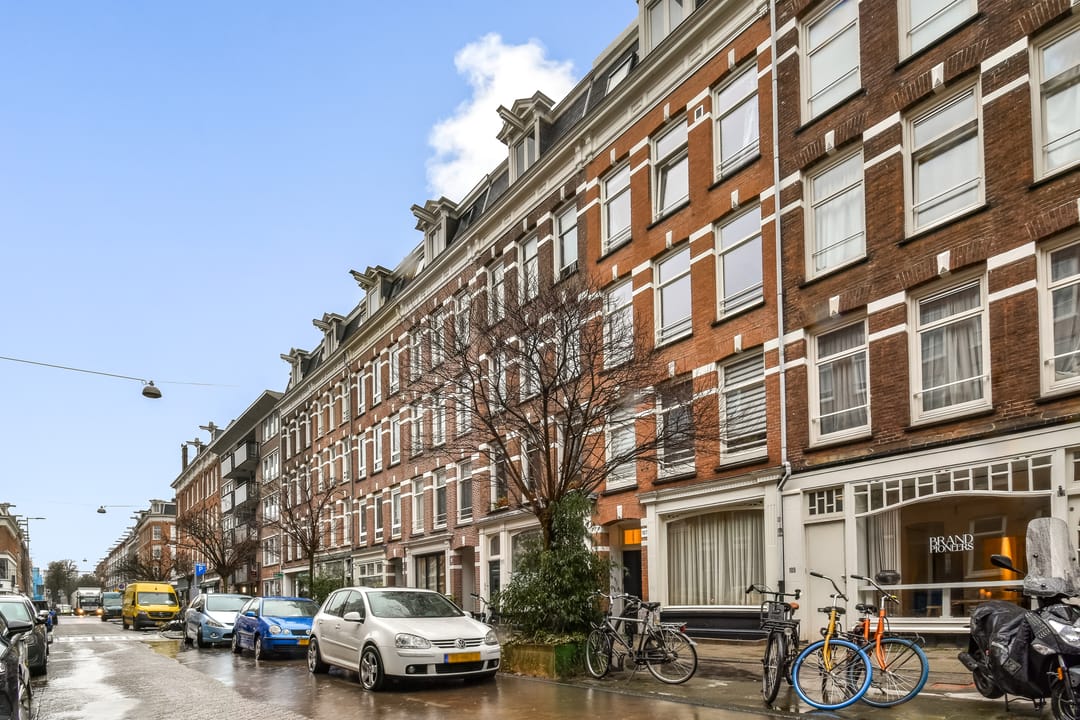
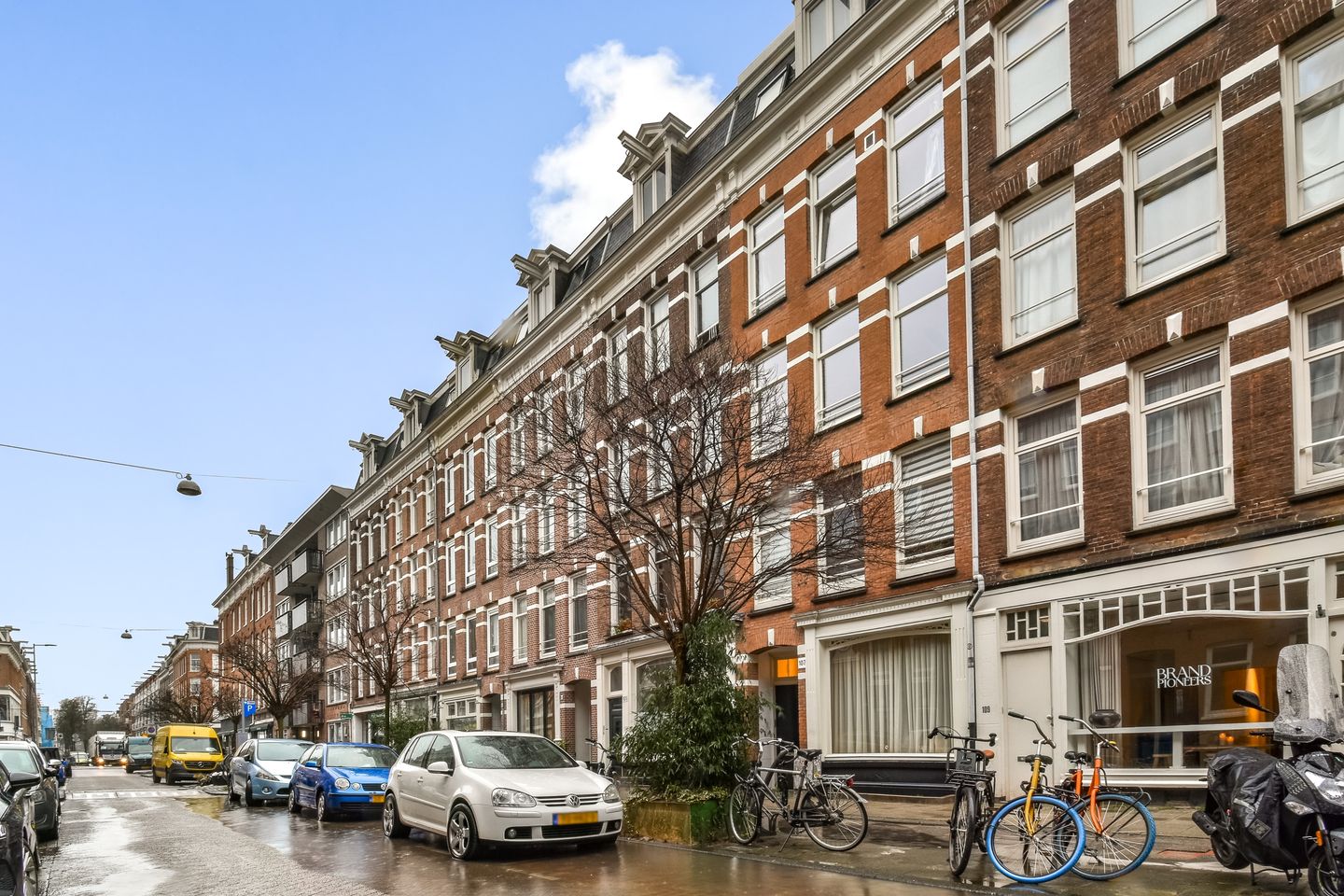
The property at Eerste Jan Steenstraat 107-2 is located in the Sarphatiparkbuurt, which is part of the popular De Pijp neighborhood in Amsterdam. This apartment occupies the third floor of a building that was originally constructed in 1889. The building is situated within a protected cityscape (beschermd stads- of dorpsgezicht), which means the exterior maintains its historical character while the interior has been completely modernized.
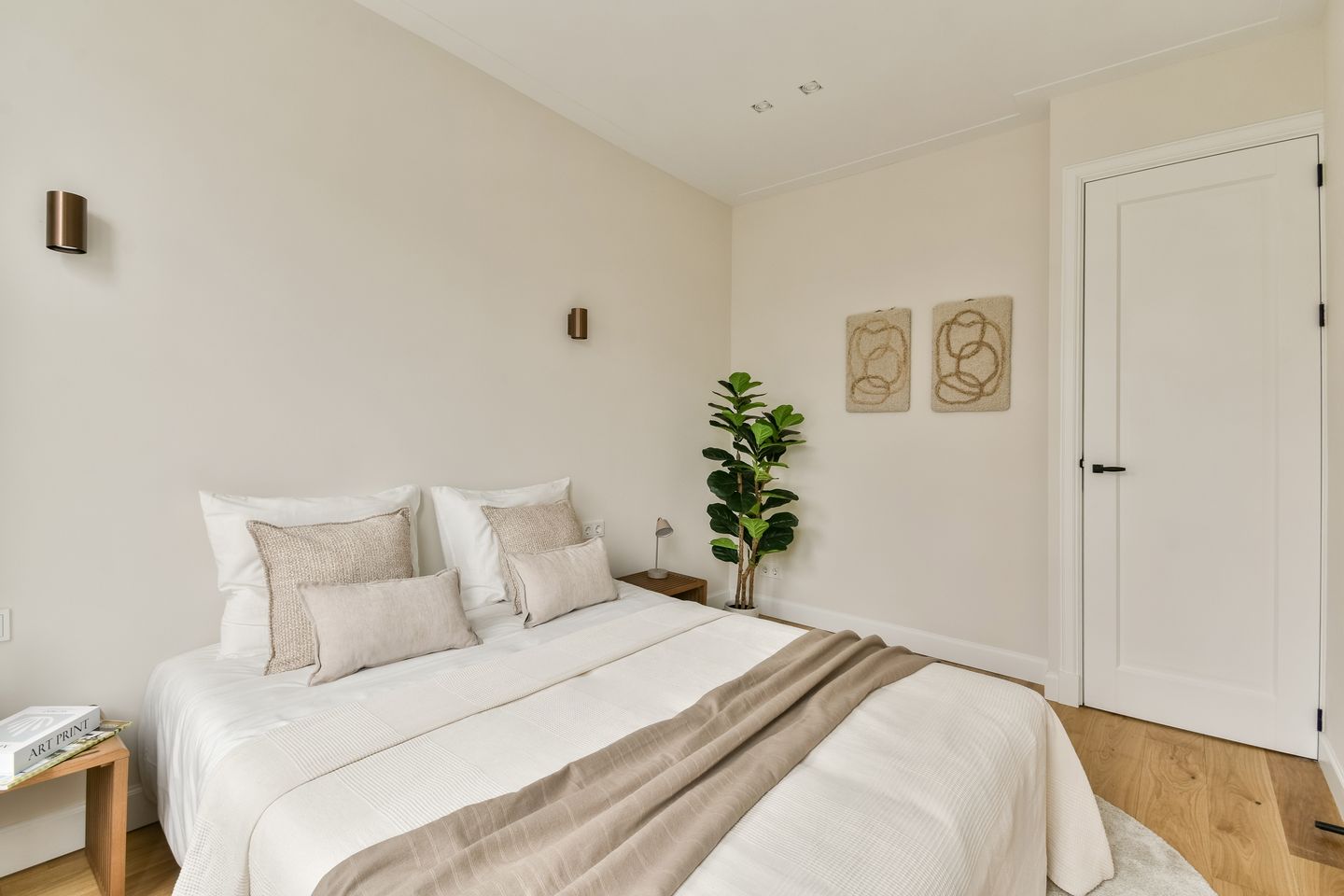
The apartment offers approximately 54 square meters of living space with a total volume of 188 cubic meters. It contains three rooms in total, consisting of two bedrooms and a living area. There is one bathroom and one separate toilet. The property features both mechanical ventilation and natural ventilation options.
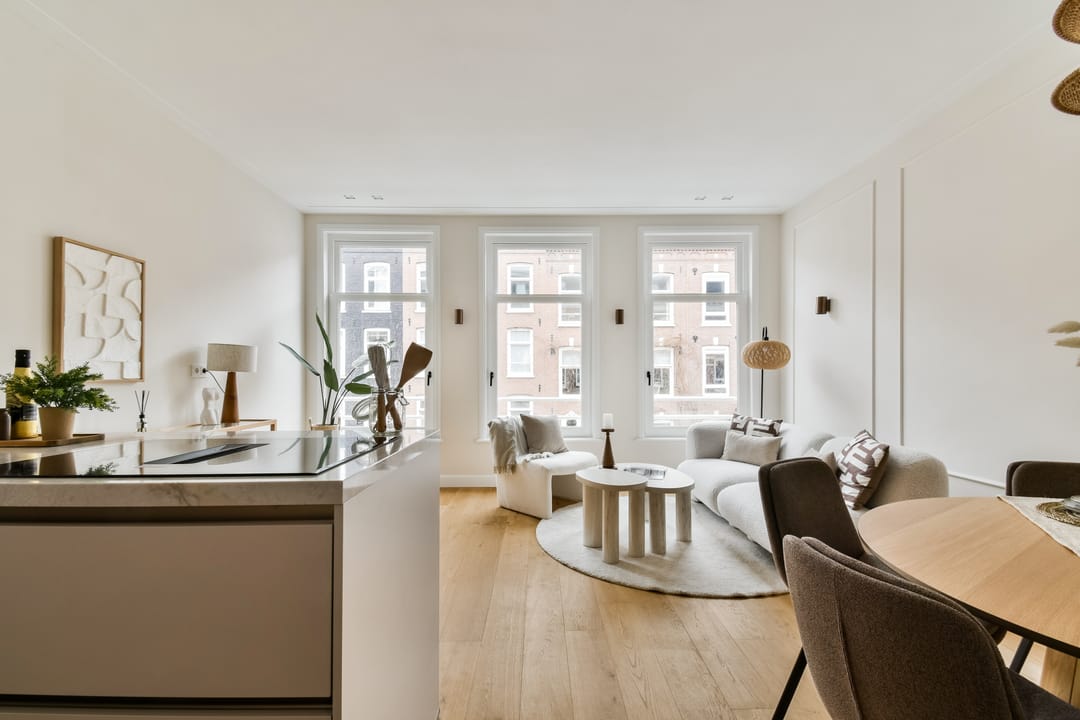
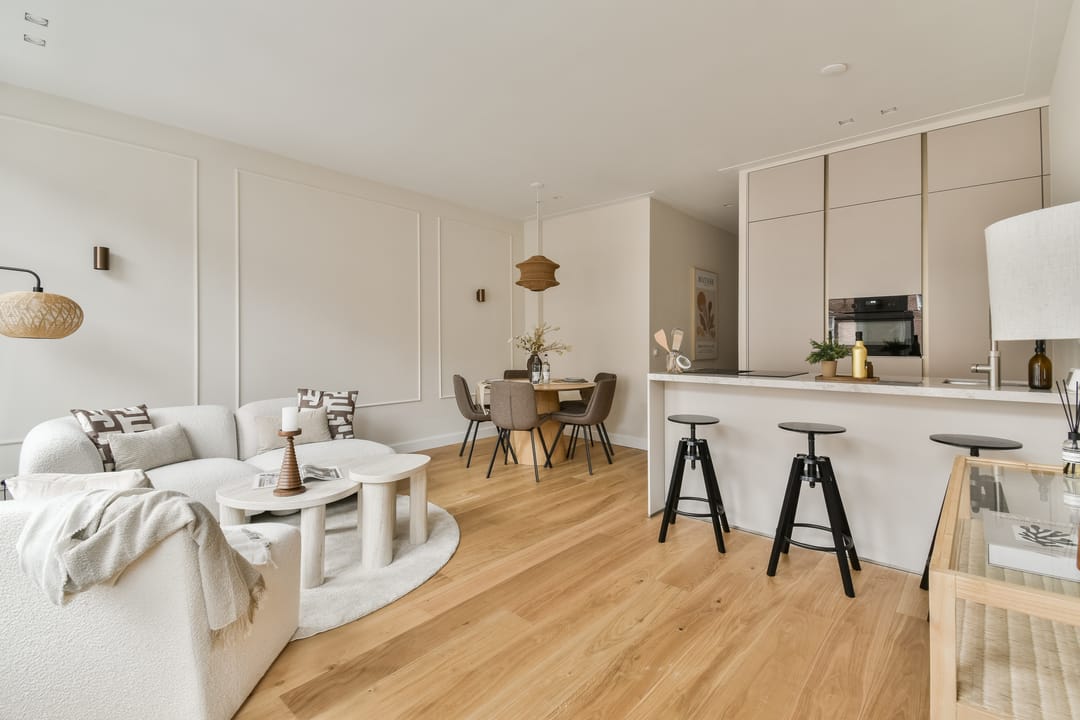
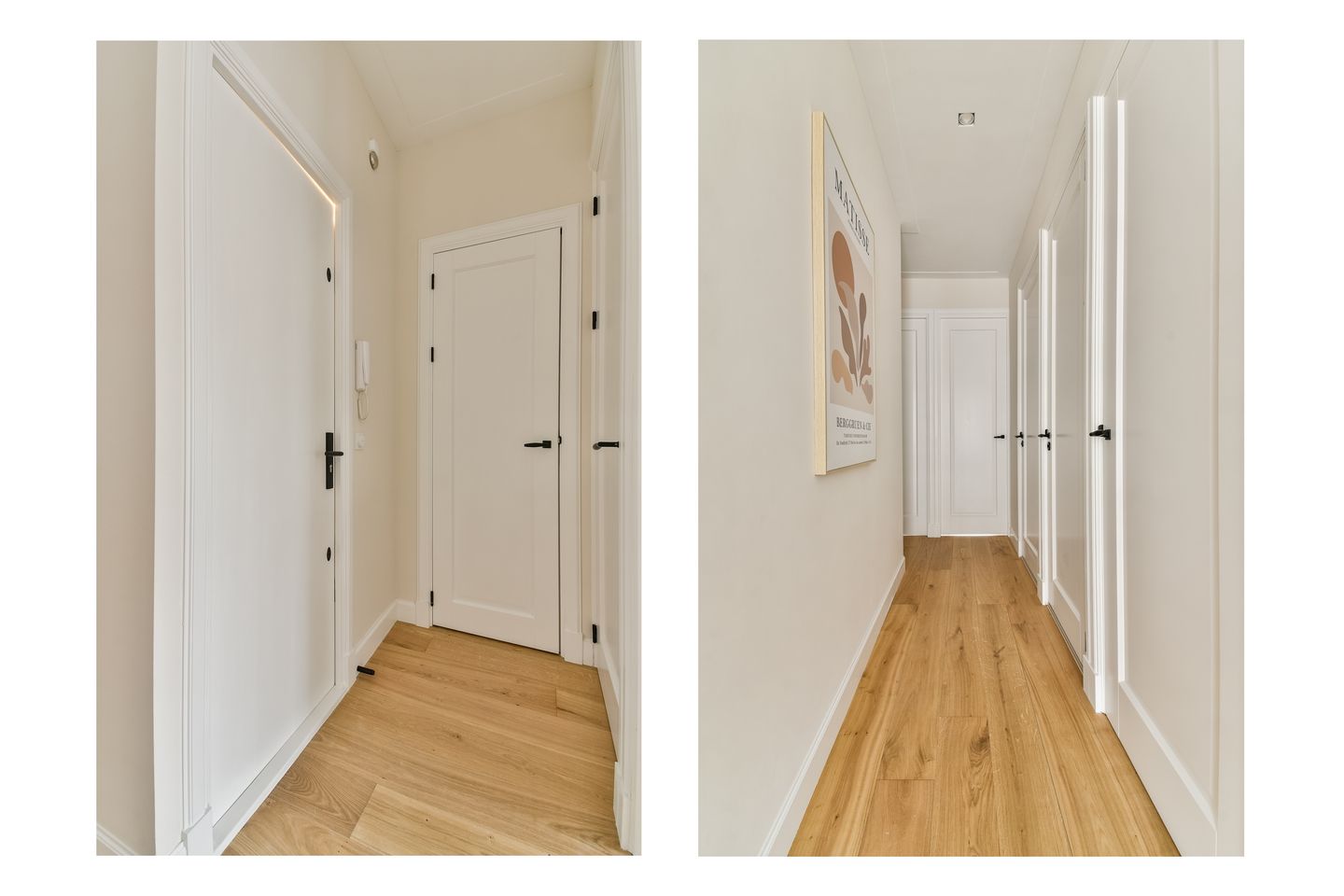
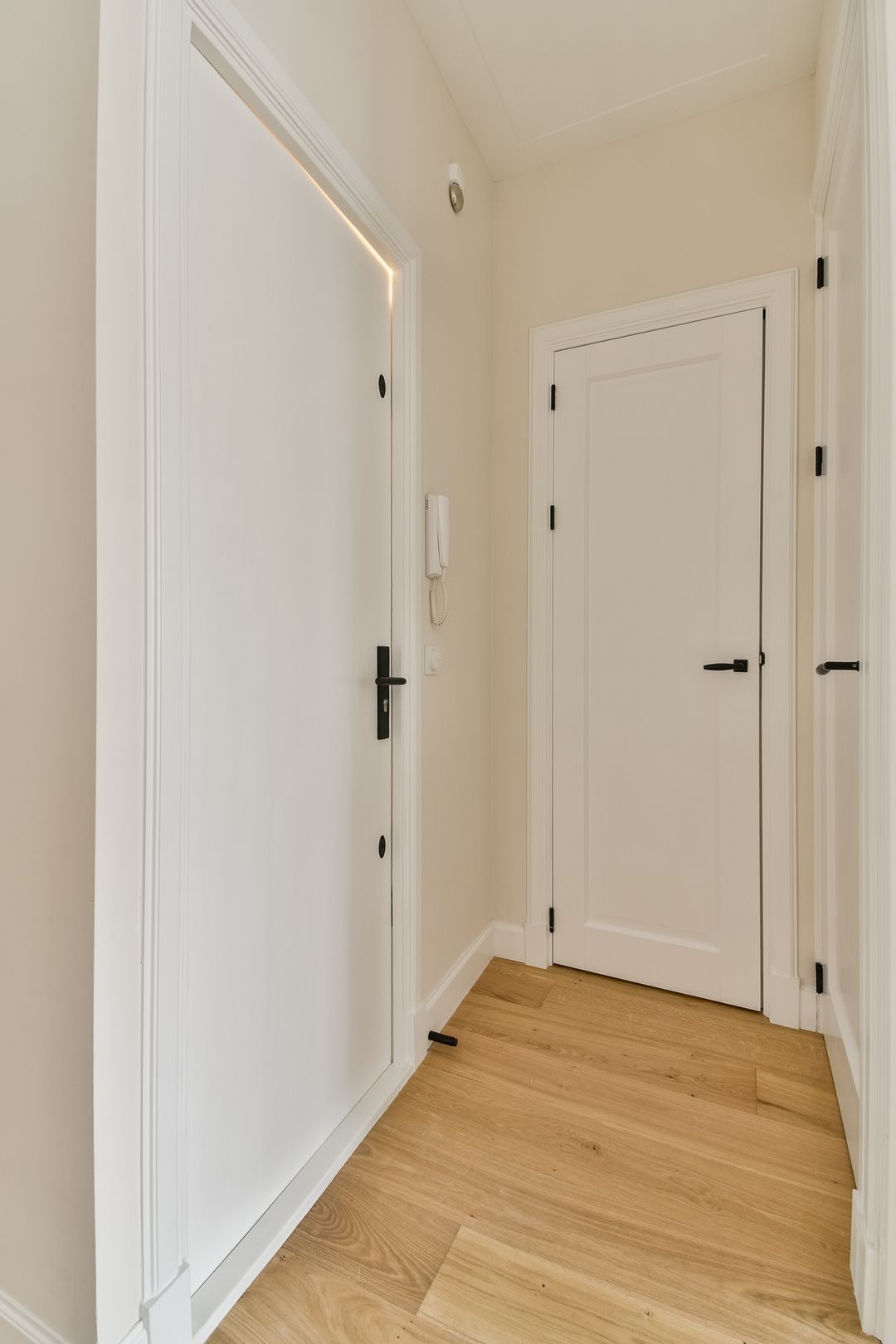
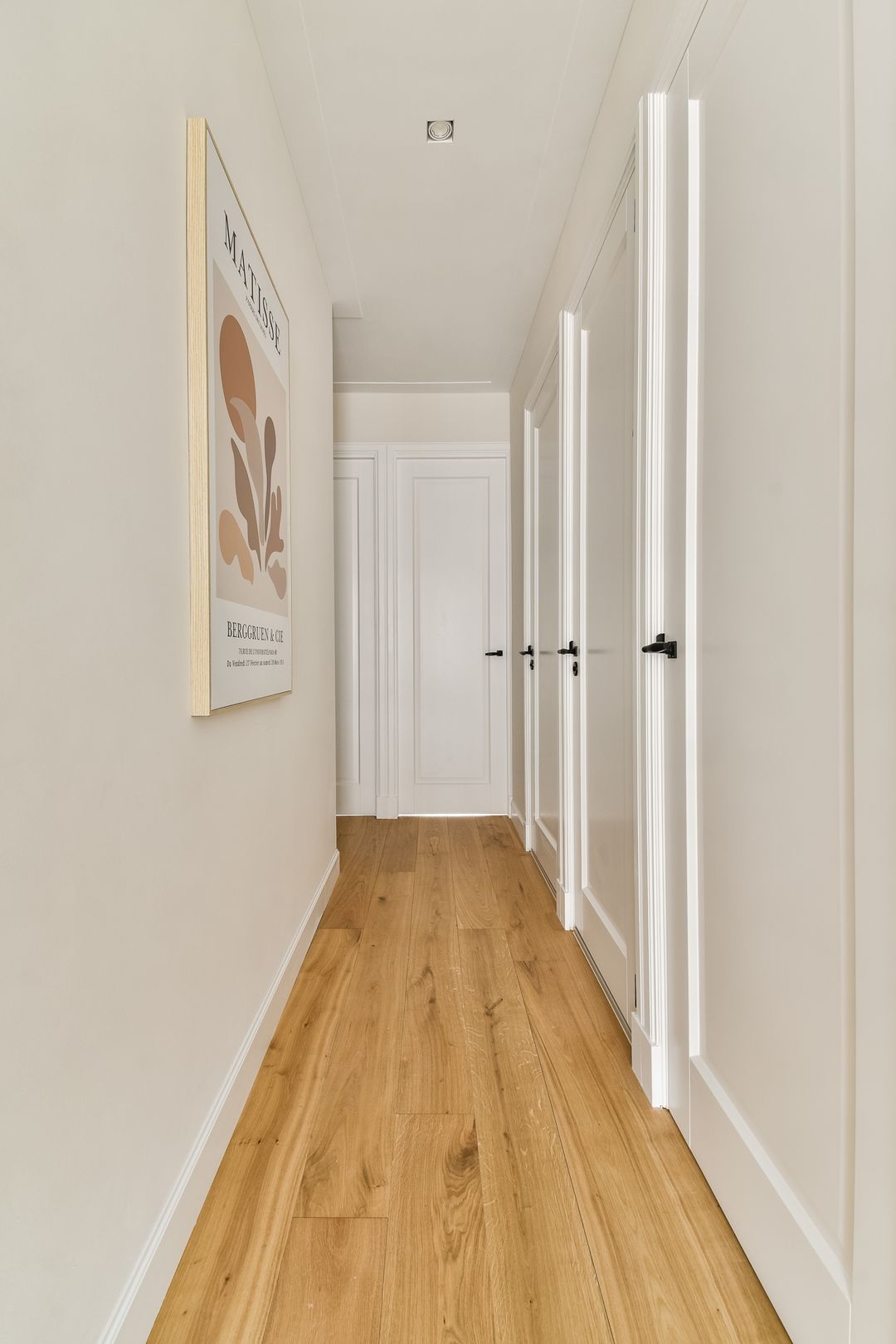
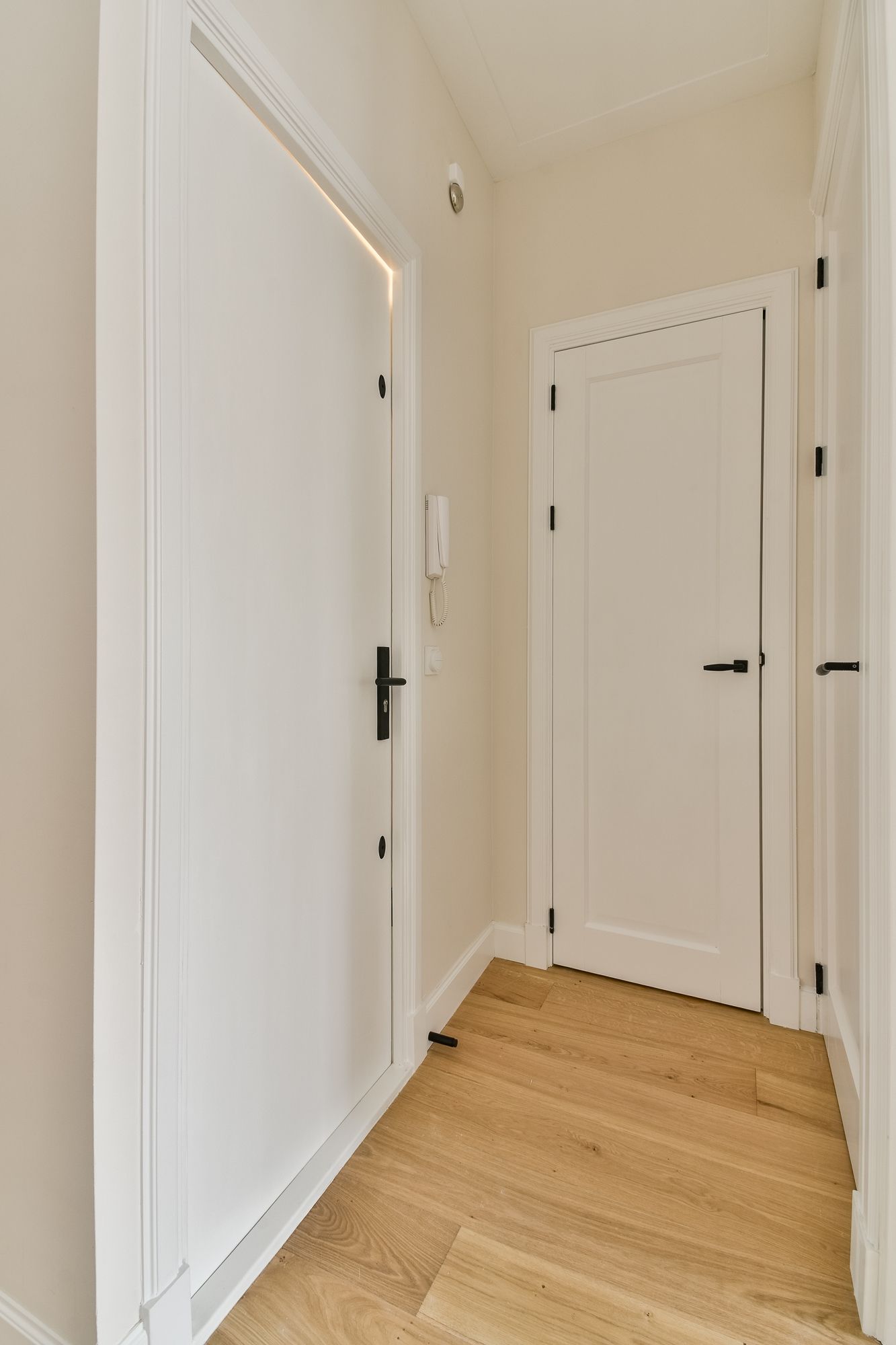
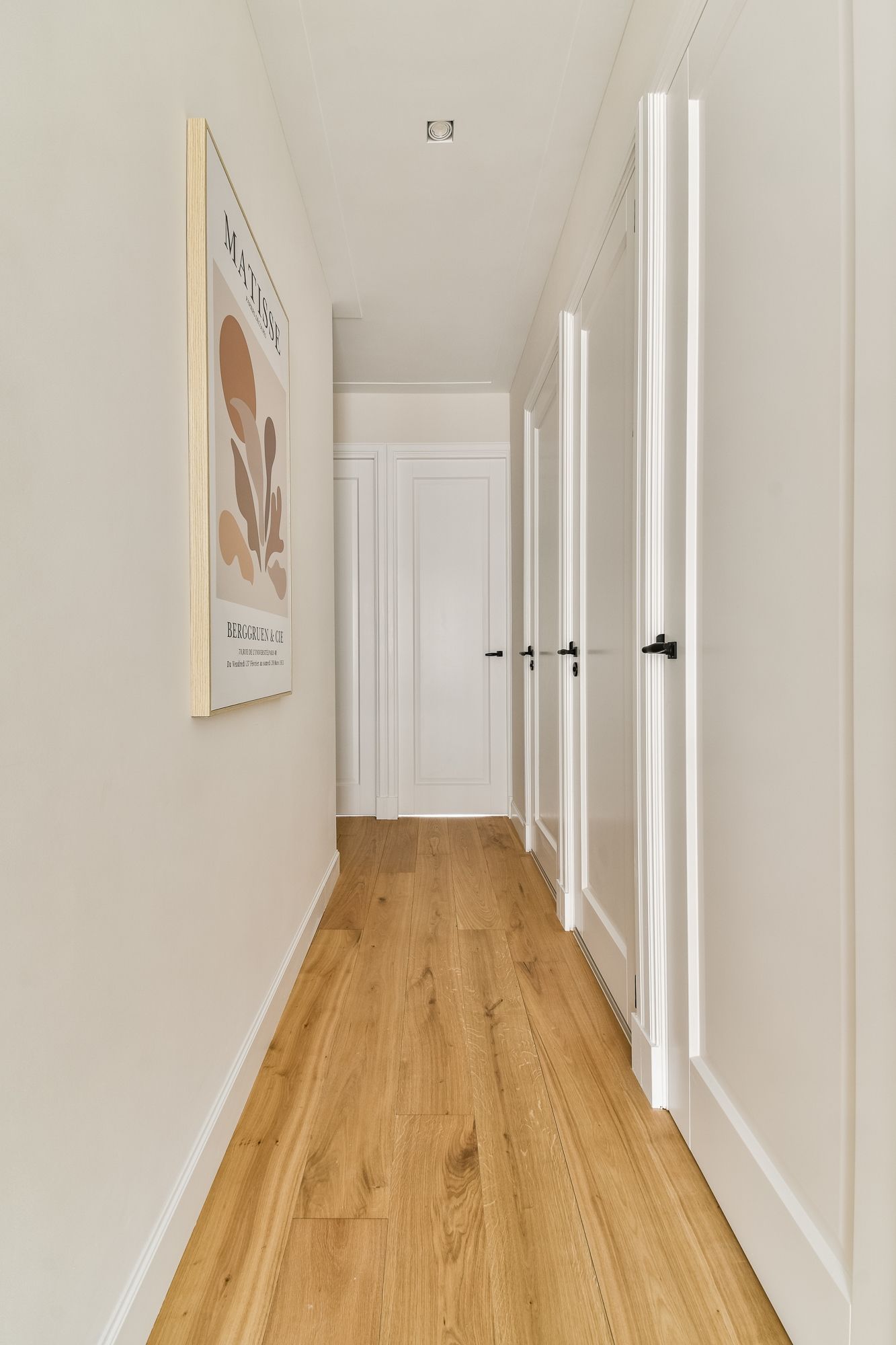
The entire apartment has undergone a premium renovation completed in 2025 or 2026. This renovation included the installation of warm natural oak parquet flooring throughout the space. Underfloor heating has been installed in the entire apartment, providing even heat distribution. All technical installations have been completely renewed as part of this renovation process.
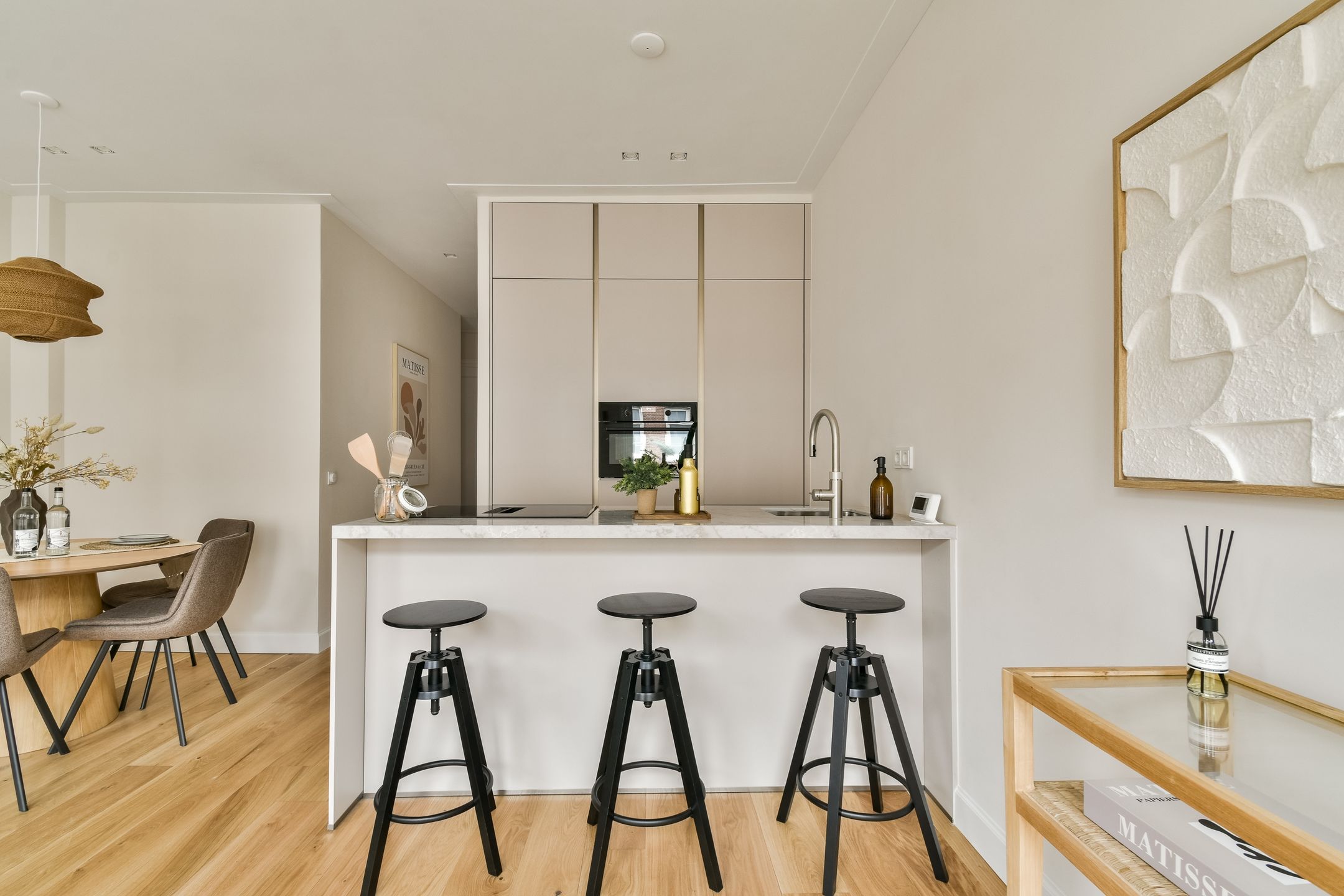
The kitchen is designed as an open plan layout featuring a cooking island. It includes a Quooker instant boiling water tap. The bathroom has been finished to a luxurious standard and includes a double sink and a generous walk-in shower.
Lighting throughout the property consists of Philips Hue smart lighting, which can be fully controlled and adjusted through a smartphone application. This allows residents to customize the ambiance in different rooms according to their preferences.
From a sustainability perspective, the apartment has achieved energy label A. The insulation has been upgraded with high-quality materials, including double glazing, HR-glass, wall insulation, and floor insulation. The heating and hot water are provided by a recently installed Intergas HRE gas-fired combination boiler from 2025, which is owned by the property rather than rented.
The property is situated on freehold land (volle eigendom), meaning there is no ground lease (erfpacht) to pay. This is a significant advantage in Amsterdam where many properties are subject to ground lease.
The Owners Association (VvE) is small, consisting of only four members. Professional management is in place. The monthly service costs are 140 euros. The VvE has a reserve fund and a maintenance plan in place. Building insurance (opstalverzekering) is arranged through the VvE. Annual meetings are held and the VvE is registered with the Chamber of Commerce (KvK).
The location in De Pijp is considered one of the most desirable areas in Amsterdam. The apartment is situated within a one-minute walk of Sarphatipark, a popular green space that residents can enjoy for recreation and relaxation. De Pijp is known for its vibrant atmosphere, diverse dining options, and the famous Albert Cuyp market. The neighborhood offers excellent connectivity to public transportation and the city center.
Parking in the area is available through paid street parking and nearby parking garages. As is common in central Amsterdam, residents typically need to apply for a parking permit.
The roof of the building is described as a composite roof covered with bituminous roofing material and tiles.
The property was marketed with a fixed notary: Legal Loyalty Amsterdam.
At the time of listing, the asking price was 575,000 euros buyer's costs (kosten koper), which translates to approximately 10,648 euros per square meter of living space. The listing received significant attention with 3,358 views and was saved 138 times on the Funda platform. The property was listed on March 12, 2026, and has since been sold.
The apartment was described as being available immediately and completely move-in ready at the time of sale, requiring no additional work or renovations from the new owner. The exceptional brightness of the apartment was highlighted as a notable feature.
This property represents a combination of historical building character, as evidenced by the 1889 construction date and protected cityscape status, with modern amenities and sustainability standards achieved through the comprehensive renovation. The energy label A rating, complete insulation upgrades, and new technical installations make this an efficient living space despite the age of the building structure.
The small VvE size of only four members can be advantageous for decision-making and maintaining a sense of community among residents, while professional management ensures administrative tasks are handled properly. The presence of both a reserve fund and a maintenance plan indicates responsible financial planning for future building maintenance needs.
The De Pijp neighborhood has undergone significant transformation over the years. Originally a working-class neighborhood in the late nineteenth century, it has evolved into one of Amsterdam's most sought-after residential areas. The area attracts a diverse population including young professionals, families, and international residents drawn to its cosmopolitan atmosphere and central location within the city.
Sarphatipark, which the apartment is adjacent to, was designed in the late nineteenth century and named after the physician and philanthropist Samuel Sarphati. The park features winding paths, a pond, and mature trees that provide shade during summer months. It serves as an important green corridor in this part of the city and is well-used by local residents for walking, jogging, dog walking, and relaxing.
The building at Eerste Jan Steenstraat is typical of the late nineteenth century construction in this part of Amsterdam. Buildings from this period often feature ornamental facades and were built during a period of rapid urban expansion. The protected cityscape designation ensures that the character of the streetscape is preserved, which contributes to the enduring appeal of the neighborhood.
The comprehensive renovation that this apartment underwent represents a significant investment in updating a historic property to contemporary standards. The decision to install underfloor heating throughout, rather than relying on traditional radiators, indicates a commitment to both comfort and efficient use of space. Underfloor heating provides more even heat distribution and eliminates the need for wall-mounted radiators that can limit furniture placement options.
The open kitchen with cooking island layout reflects contemporary living preferences where the kitchen is integrated into the living space rather than being a separate room. This creates a more social environment where cooking and socializing can happen simultaneously.
The energy efficiency improvements achieved through the renovation are substantial. Achieving energy label A in a building from 1889 requires comprehensive insulation upgrades and likely includes improvements to the building envelope beyond what is visible inside the apartment.
The freehold status of the property eliminates a significant ongoing cost that many Amsterdam property owners face. Ground lease (erfpacht) can represent a substantial annual or periodic payment. Freehold properties are therefore often valued more highly per square meter than comparable leasehold properties.
The service costs of 140 euros per month are relatively moderate for Amsterdam, particularly given that building insurance is included. These costs cover the shared expenses of maintaining the building structure and common areas.