Flexible 1878 Townhouse with Unique Layout in Amsterdam's Jordaan
Key Features
Description
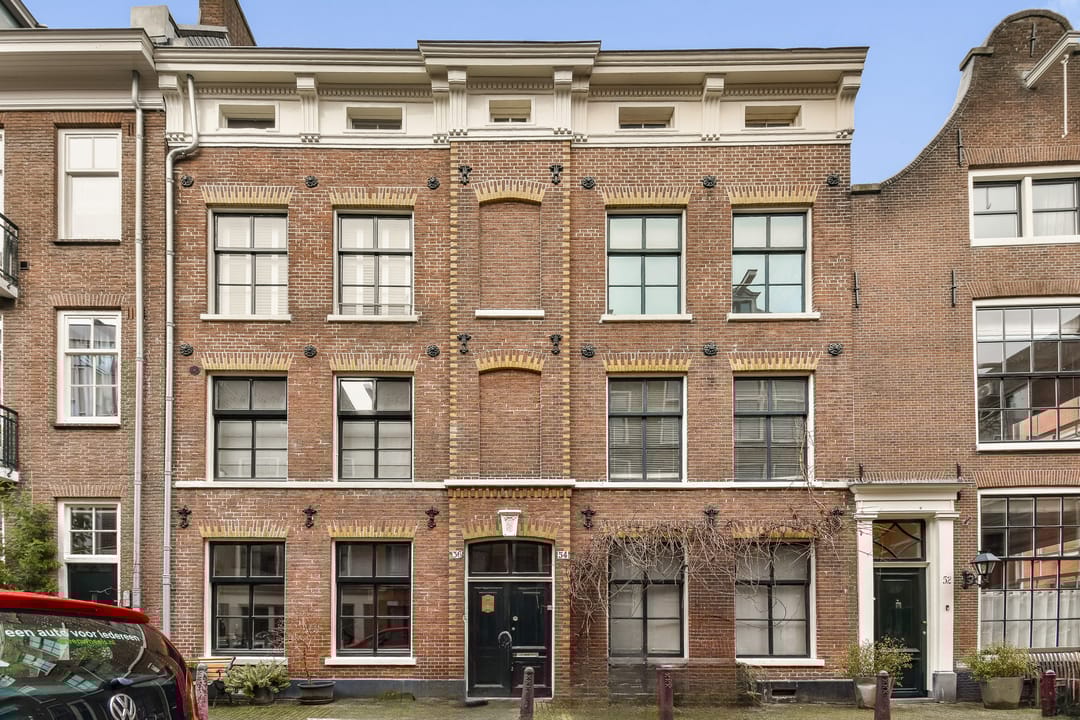
This 1878 townhouse, located in the heart of Amsterdam's Jordaan, offers approximately 109 square meters of living space spread across four distinct floors. The property is situated on a 35 square meter plot and features a flexible layout that allows for both independent and connected use of its levels. Constructed as a historic row house, it retains many of its original architectural details while providing modern amenities. The building is fully owned, with no ground lease, which is uncommon for central Amsterdam properties.
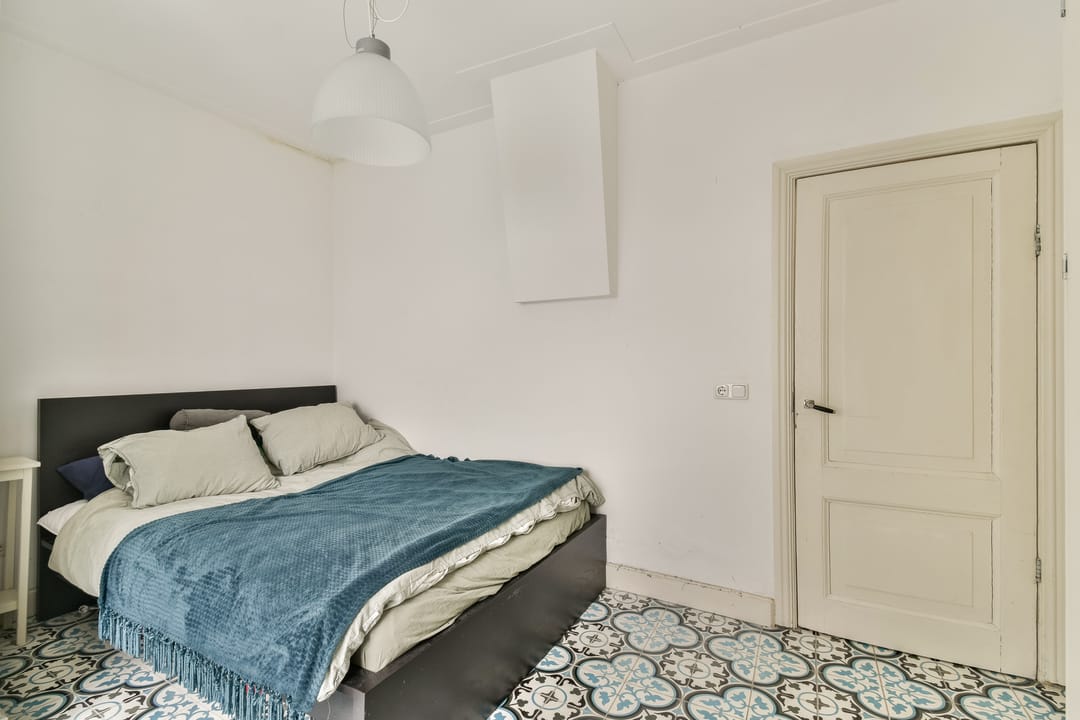
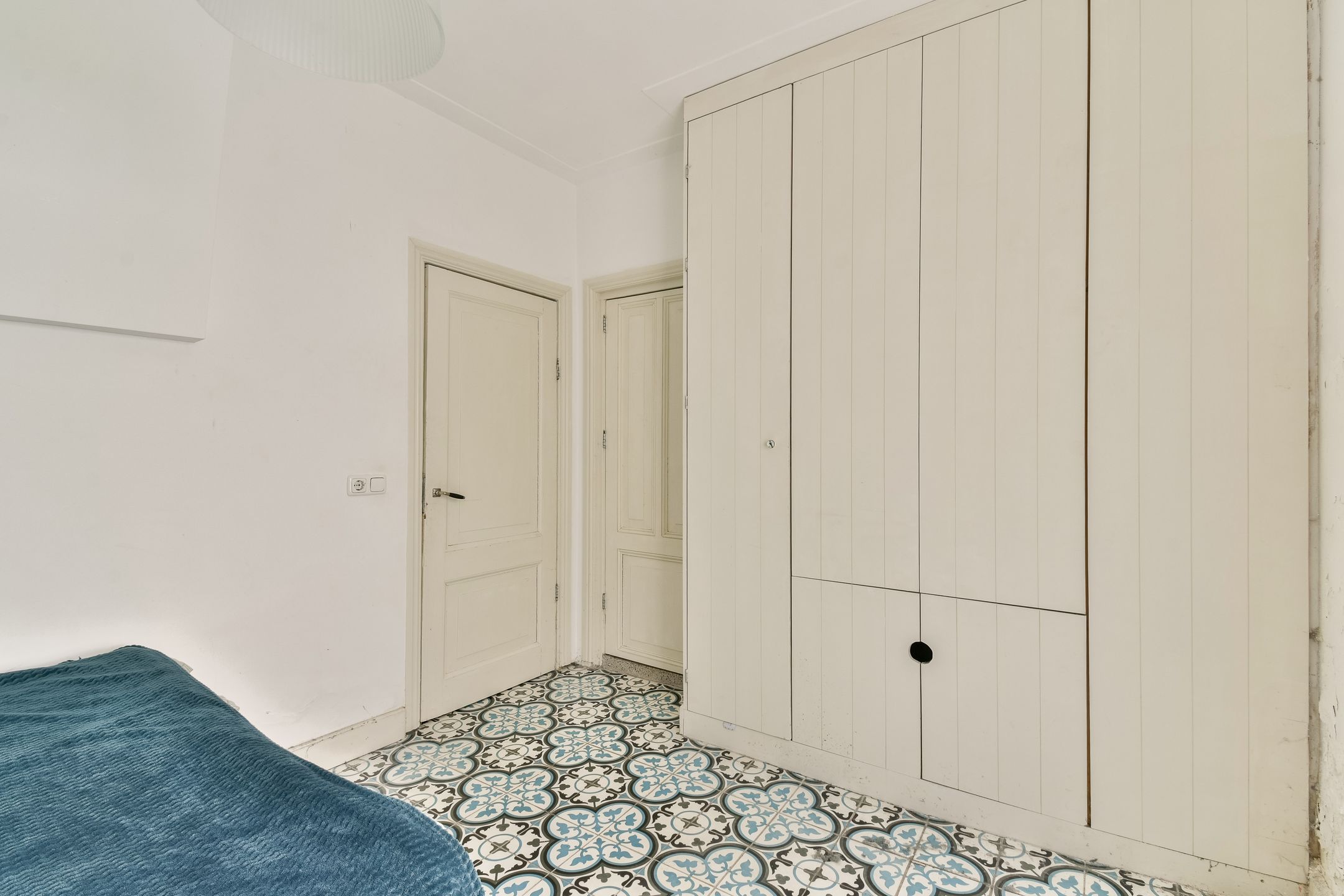
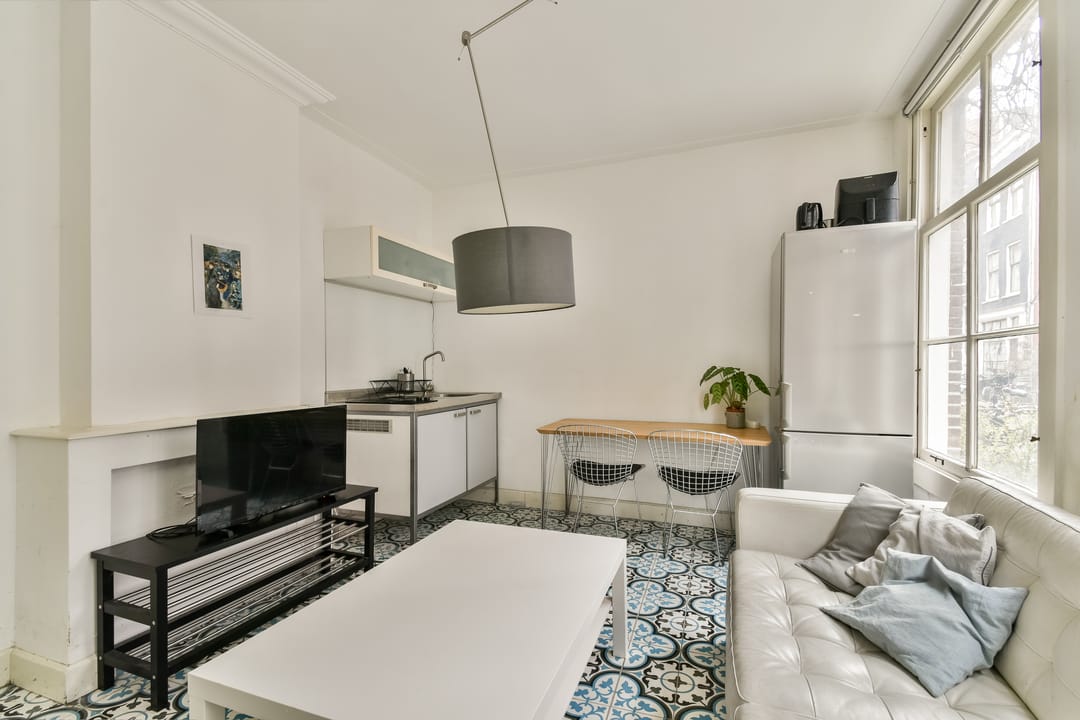
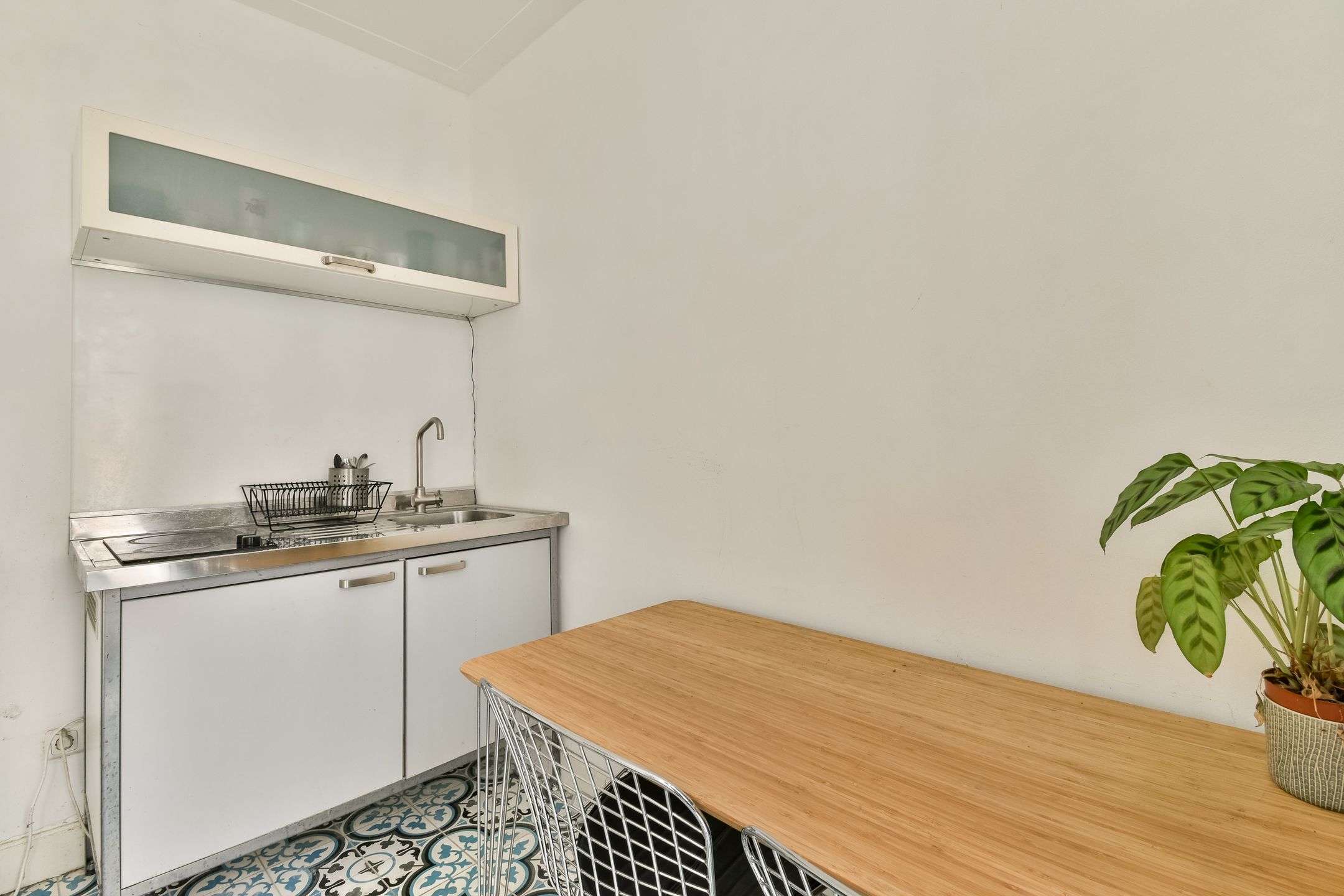
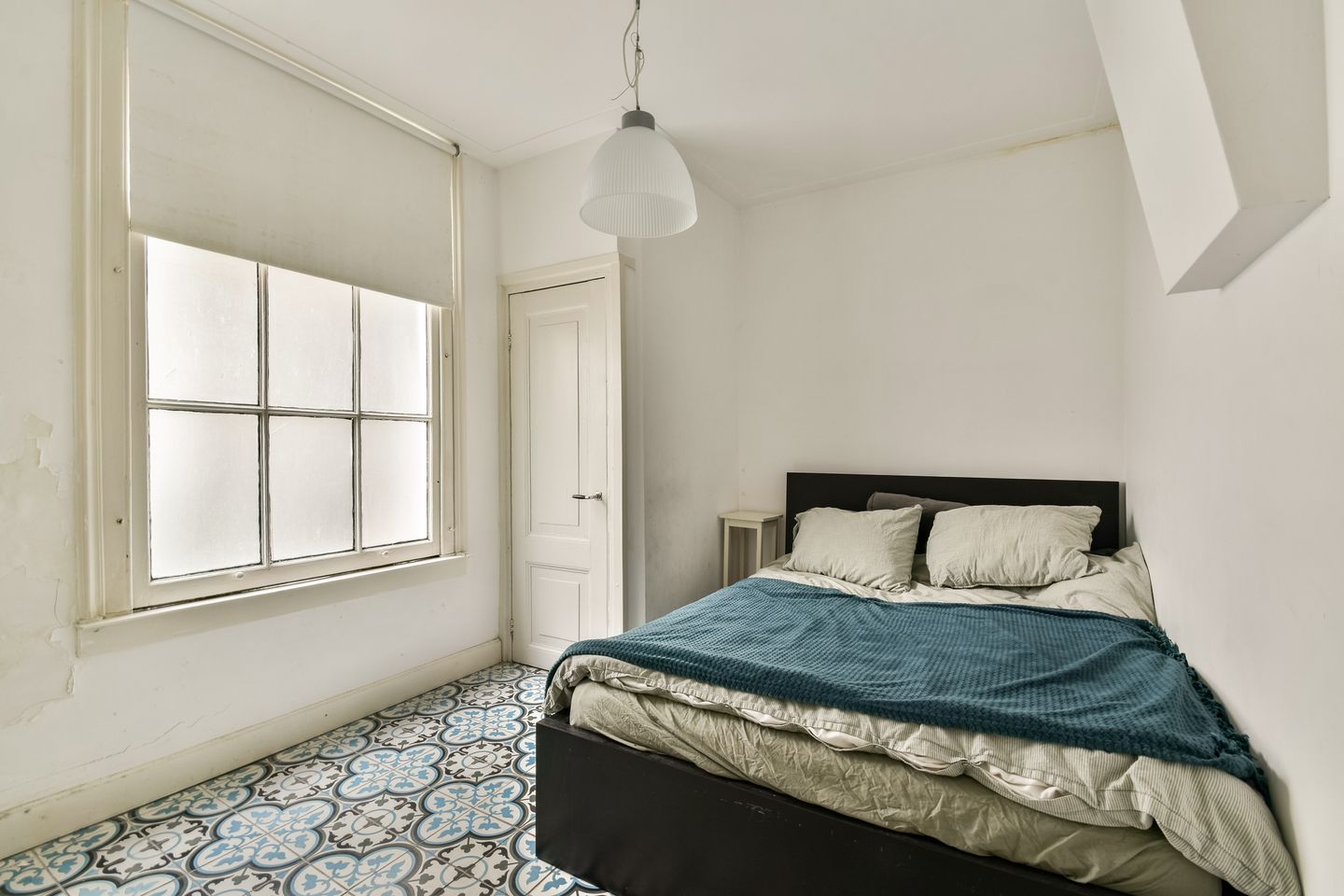
The ground floor provides 28.6 square meters of usable space and includes a bedroom, a bathroom, and a small kitchen. Its separate entrance from the shared staircase makes it suitable for use as a self-contained living unit. This level can function independently from the rest of the property, offering potential for multi-generational living or rental income.
The first floor measures 26.0 square meters and also has its own entrance from the staircase. It contains a bedroom and a bathroom. An internal connection can be added between this floor and the ground floor, allowing for a more spacious combined living area if desired. This adaptability is a key feature of the property.
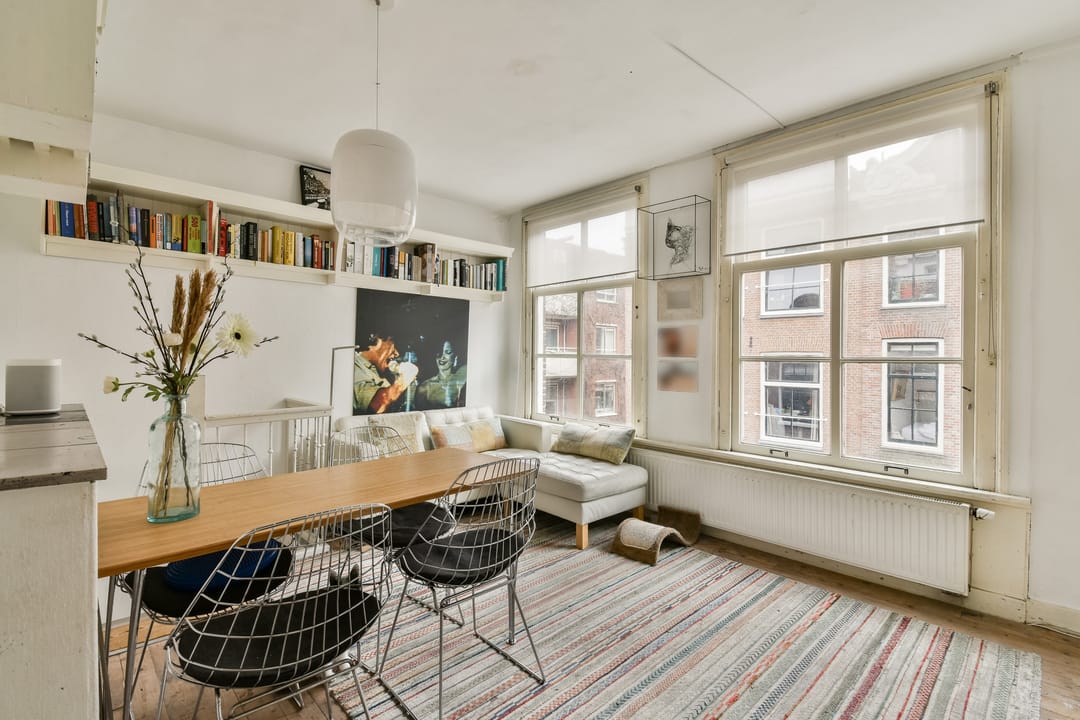
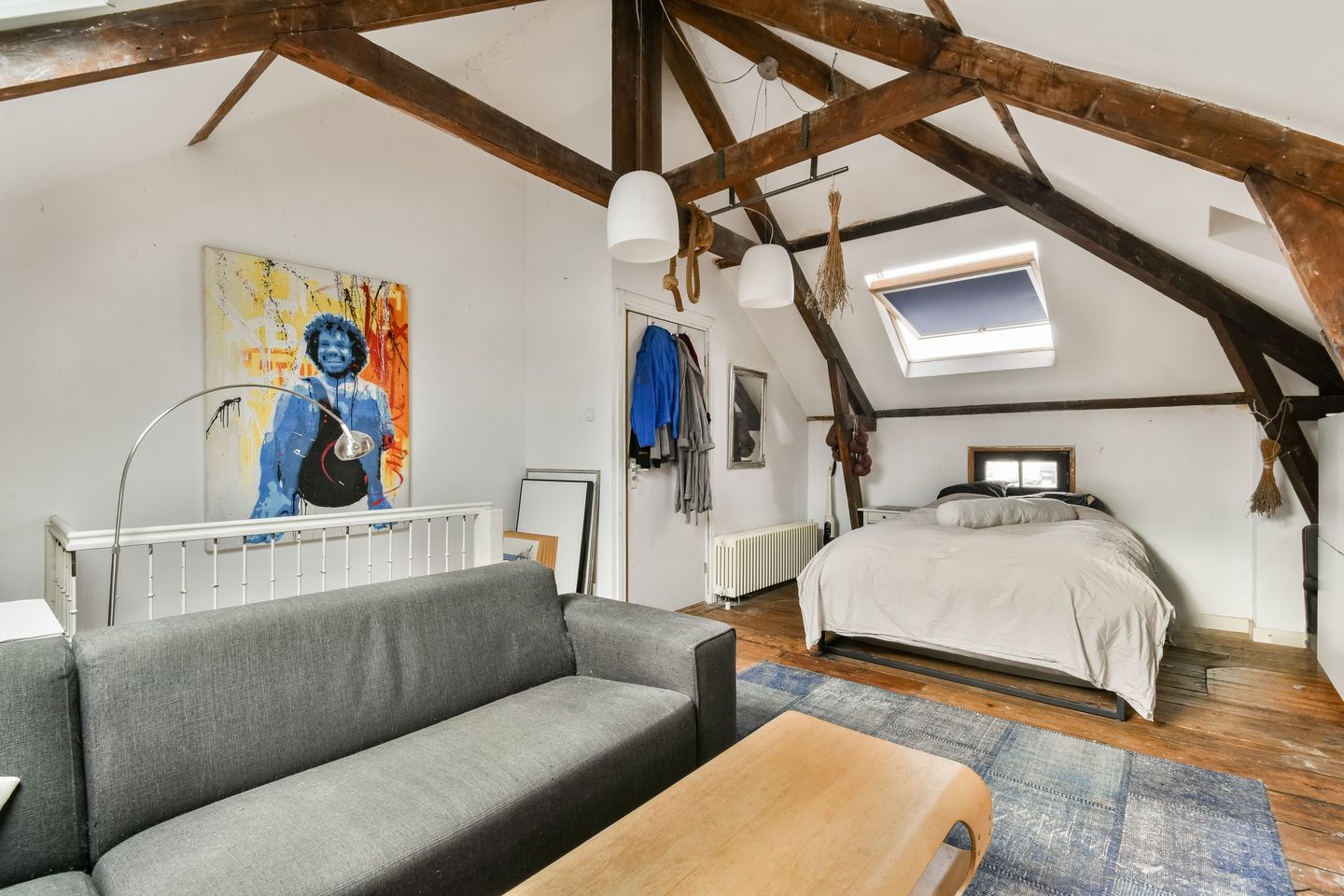
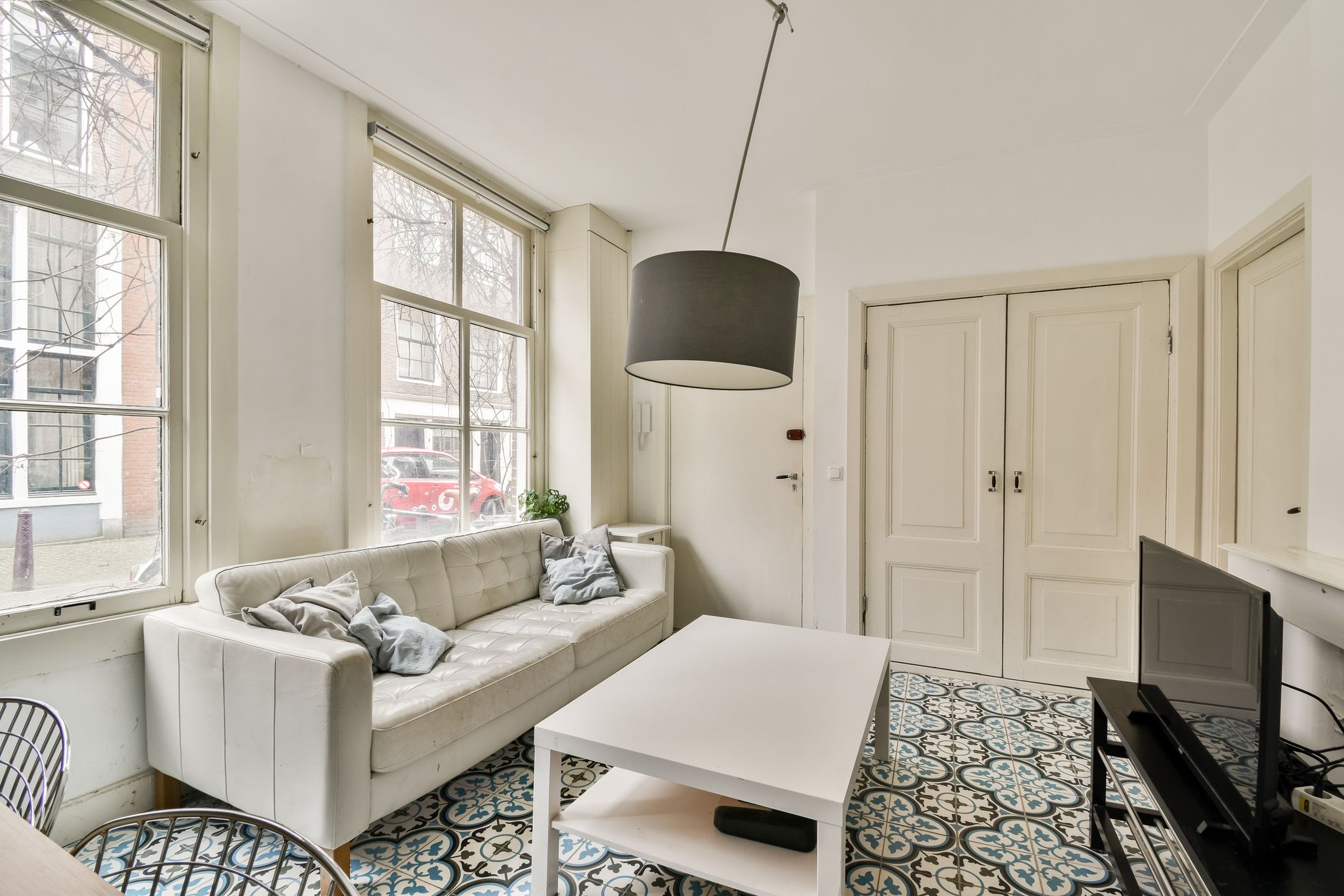
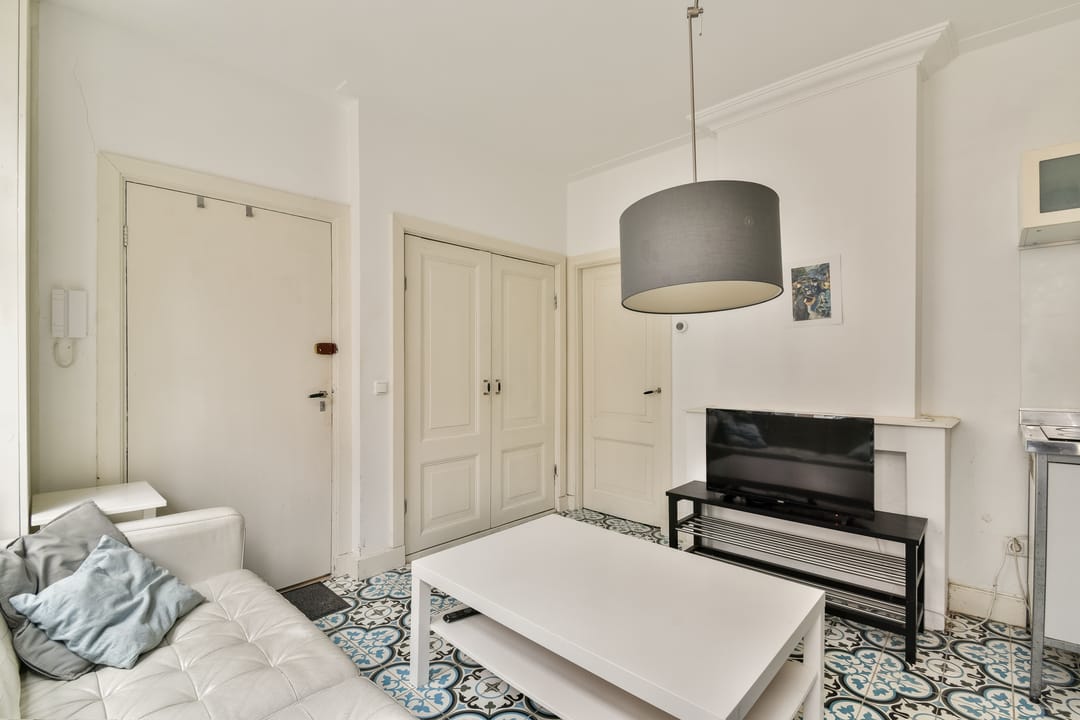
The second floor spans 26.6 square meters and currently houses the main living room and kitchen. A staircase connects this level to the third floor, which can be removed to create two separate living units. The third floor benefits from its elevated position, providing a light and airy atmosphere with generous dimensions.
The property's total volume is 415 cubic meters, with each floor offering distinct functionality. The current configuration allows for multiple independent living arrangements, though the structure can be modified to create a single cohesive home. The building contains eight rooms in total, including three bedrooms and three bathrooms. Each bathroom is equipped with an in-shower, toilet, and two sinks.
Energy performance is rated as label D, with improvements made to the front facade using insulated glazing that complies with Amsterdam's regulations for monumental buildings. The property includes roof, wall, and floor insulation, along with a gas-fired combination boiler for heating and hot water. Natural ventilation and cable TV connections are also provided.
The location is a significant advantage, placing the property in one of Amsterdam's most sought-after neighborhoods. The Jordaan is known for its village-like atmosphere, historic architecture, and strong community spirit. Despite its central location, the street offers a quiet residential setting. The property is within walking distance of the Nine Streets shopping district, Rozengracht and Westerstraat with their many cafes and restaurants, Westerpark, and Amsterdam Central Station.
The building's historical significance is reflected in its construction date of 1878 and its status as a monumental structure. The current layout offers unique flexibility not commonly found in the Jordaan, where most properties have more traditional configurations. The ability to use multiple floors as separate units while maintaining the option to connect them provides versatility for various living situations.
The 35 square meter plot is fully owned, which is rare in central Amsterdam where many properties are subject to ground lease arrangements. This freehold status adds value and security for potential buyers. The building's total living area of 109 square meters is measured according to the NEN2580 standard, ensuring consistency in the reported size.
The property's energy label D reflects its age and the limitations of retrofitting a historic building. However, the installation of insulated glazing on the front facade demonstrates efforts to improve energy efficiency within the constraints of Amsterdam's heritage regulations. The existing heating system uses a gas-fired combination boiler that serves both heating and hot water needs.
The Jordaan neighborhood offers an international character with excellent amenities while maintaining its traditional Dutch charm. The area is known for its narrow streets, historic buildings, and vibrant cultural scene. Residents benefit from easy access to public transportation, with Amsterdam Central Station just a short walk away.
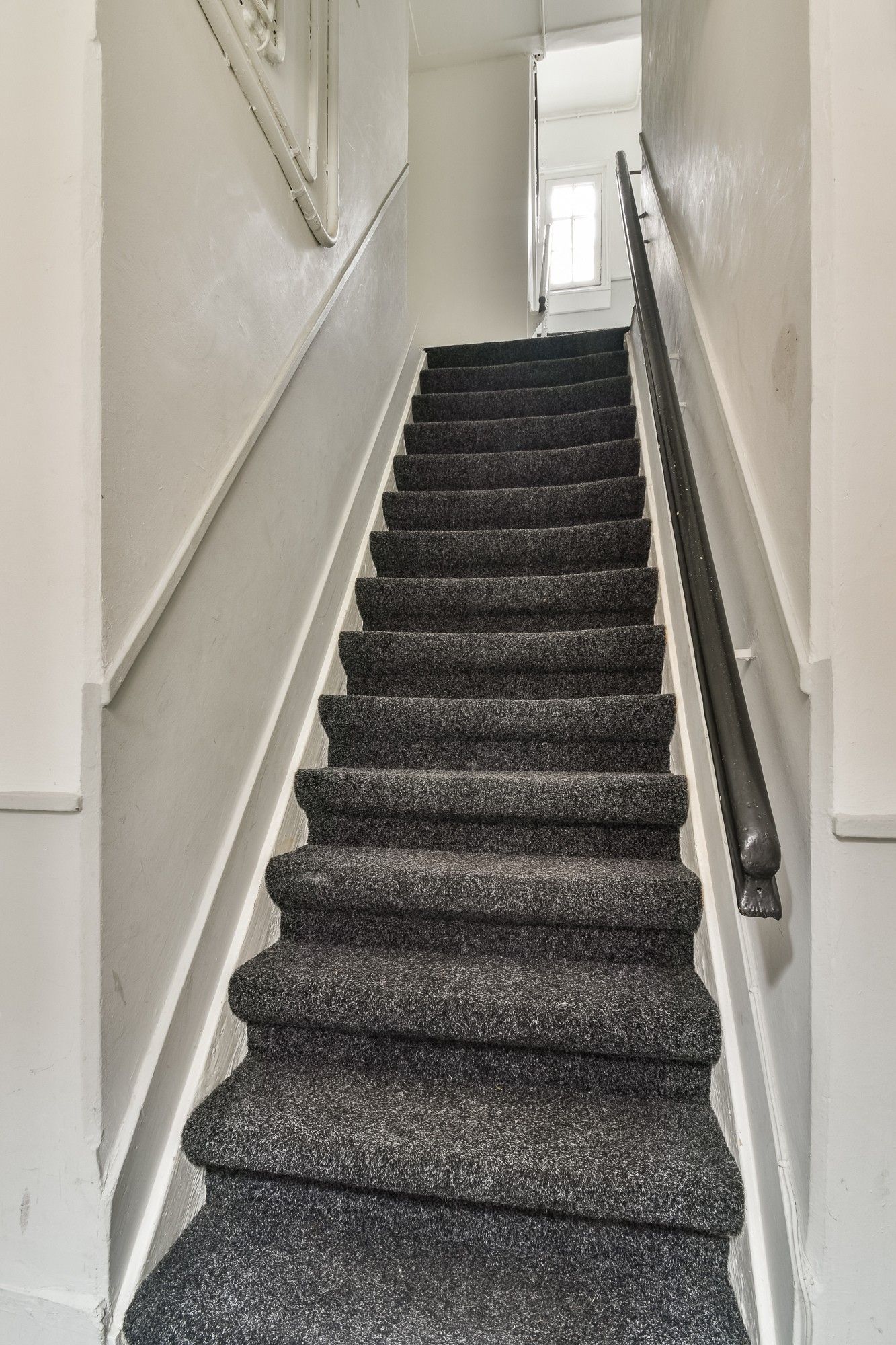
The flexible floor plan is one of the property's most distinctive features. Each of the four floors has its own entrance from the shared staircase, allowing for various configurations. The ground and first floors can operate as independent units with their own bedrooms and bathrooms. The second and third floors are currently connected but can be separated by removing the internal staircase.
This adaptability makes the property suitable for a range of potential uses. It could function as a single family home, with the option to create additional rental units. Alternatively, it could be configured as two separate living spaces, each with multiple rooms. The current setup demonstrates the potential for creative use of the space while maintaining the building's historic character.
The building's exterior maintains its traditional appearance while incorporating modern improvements where permitted. The insulated glazing on the front facade meets both heritage requirements and contemporary energy standards. The property's interior features preserve many of the characteristic elements from its 1878 construction while accommodating modern living needs.
The location provides immediate access to the cultural and commercial amenities of central Amsterdam. The nearby Negen Straatjes offer boutique shopping, while Rozengracht and Westerstraat provide numerous dining options. Westerpark serves as a green recreational space, and the central station offers connections throughout the Netherlands and beyond.
The property's 109 square meters of living space is distributed across four floors in a way that maximizes usability. The ground floor's 28.6 square meters provide a complete living unit, while the first floor's 26.0 square meters offer similar functionality. The second floor's 26.6 square meters house the main living areas, with the third floor providing additional space that feels particularly spacious due to its height and positioning.
The building's energy performance could be improved with additional upgrades, though the current D label is typical for historic properties in Amsterdam. The existing insulation measures and efficient heating system represent a balance between preservation and modern comfort.
The Jordaan neighborhood has evolved while maintaining its unique character. Once a working-class district, it has become one of Amsterdam's most desirable areas, known for its blend of traditional Dutch architecture and contemporary urban living. The area's strong community feel and international atmosphere make it attractive to a wide range of residents.
The property's freehold status is particularly valuable in central Amsterdam, where many properties are subject to ground lease arrangements. This ownership structure provides greater security and eliminates the need to pay ground lease fees, which can be significant in other parts of the city.
The flexible layout offers potential for customization to suit different lifestyles. The current configuration demonstrates how the space can be divided, but the building could easily be reconfigured to create a more traditional single-family home if desired. This versatility adds to the property's appeal and potential value.
The building's historical significance is preserved through its architectural details and construction methods, while modern updates ensure it meets contemporary living standards. The combination of historical character and modern functionality is a key selling point for this Jordaan property.
The location provides excellent connectivity while maintaining a residential feel. The short walk to Amsterdam Central Station makes this property appealing to commuters, while the neighborhood's many amenities support everyday living. The balance between urban convenience and residential tranquility is a defining feature of this location.
The property's multiple entrances and adaptable floor plan create opportunities for various living arrangements. Whether used as a single residence or configured with separate units, the building offers flexibility that is rare in the historic center of Amsterdam. This adaptability makes it suitable for changing needs over time.
The 35 square meter plot size is typical for central Amsterdam properties, where space is at a premium. The building's footprint makes efficient use of this limited space while providing substantial living area through its four floors.
The energy label D reflects the challenges of improving energy efficiency in historic buildings. However, the permitted insulated glazing and existing insulation measures demonstrate a commitment to balancing heritage preservation with modern comfort standards.
The property's location in the Jordaan places it at the heart of Amsterdam's cultural and social life. The neighborhood's unique blend of history, community, and urban amenities makes it one of the city's most desirable areas to live in.
The building's current configuration showcases the potential for creative use of space within a historic structure. The ability to use multiple floors independently while maintaining the option to connect them provides a level of flexibility that is uncommon in the Jordaan.
This 1878 townhouse represents a rare opportunity to own a freehold property in one of Amsterdam's most iconic neighborhoods. Its flexible layout, historical character, and prime location combine to create a unique offering in the central Amsterdam real estate market.